
 English
 Русский
 Français
 Português
 Español
 لالعربية

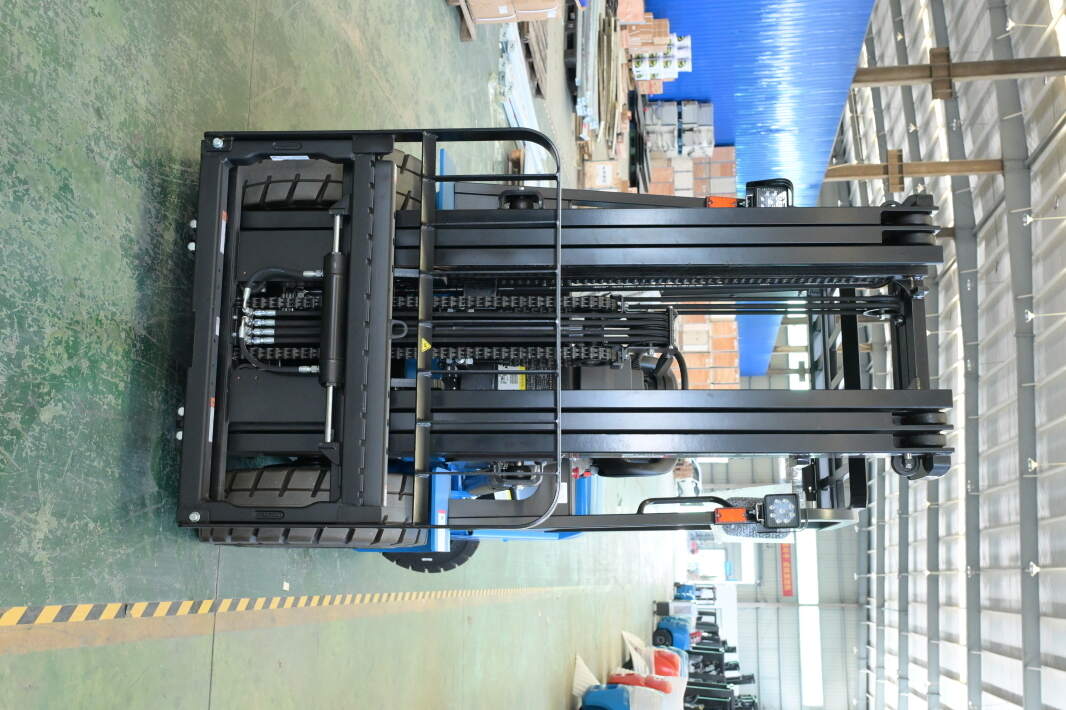
Facilities that require frequent wash-down sanitation procedures, including food processing plants, pharmaceutical storage zones, and fresh produce distribution centers, set strict rules for both hygiene standards and daily operation of material handling equipment. As one of the most widely used intra-facility transport tools, electric pallet jacks need specific operating adjustments to adapt to the frequent exposure to water, disinfectant and high-pressure flushing, avoiding unexpected failure and cross-contamination risks.
Before starting each shift, operators need to complete targeted pre-use checks that focus on parts easily affected by wash-down processes. First, inspect all sealed covers of the electric control unit, battery compartment and connection ports, to confirm there is no crack or gap that may let water and disinfectant seep inside. Wipe off residual water drops on the surface of operation buttons and grips with dry clean cloth before powering on the device. It is not allowed to start the equipment if obvious water trace is found inside the control cabin, to prevent short circuit that may cause operation failure.
During the wash-down sanitation process, operators should move the electric pallet jack to a designated dry area away from the high-pressure flushing zone in advance, instead of leaving the working equipment at the sanitation site. Never aim high-pressure water gun or corrosive disinfectant spray directly at the core electric components of the pallet jack. After the sanitation procedure is fully completed, staff should not put the equipment into use immediately. It is necessary to wipe all residual disinfectant and water on the device surface first, and wait for the hidden gaps and inner space of components to be fully air dried before powering on for formal operations.
In daily regular use, operators should avoid driving the electric pallet jack through accumulated deep puddles on the facility ground for a long distance, to prevent liquid from entering the wheel hub and affecting normal movement. Conduct regular weekly checks on all metal contact surfaces of the equipment, to clear residual disinfectant components that may cause corrosion, and ensure the running state of the device stays stable. Following these targeted operating points can help extend the service life of electric pallet jacks, reduce unplanned downtime, and make the whole material handling process fully compliant with local sanitation requirements.


