
 English
 Русский
 Français
 Português
 Español
 لالعربية


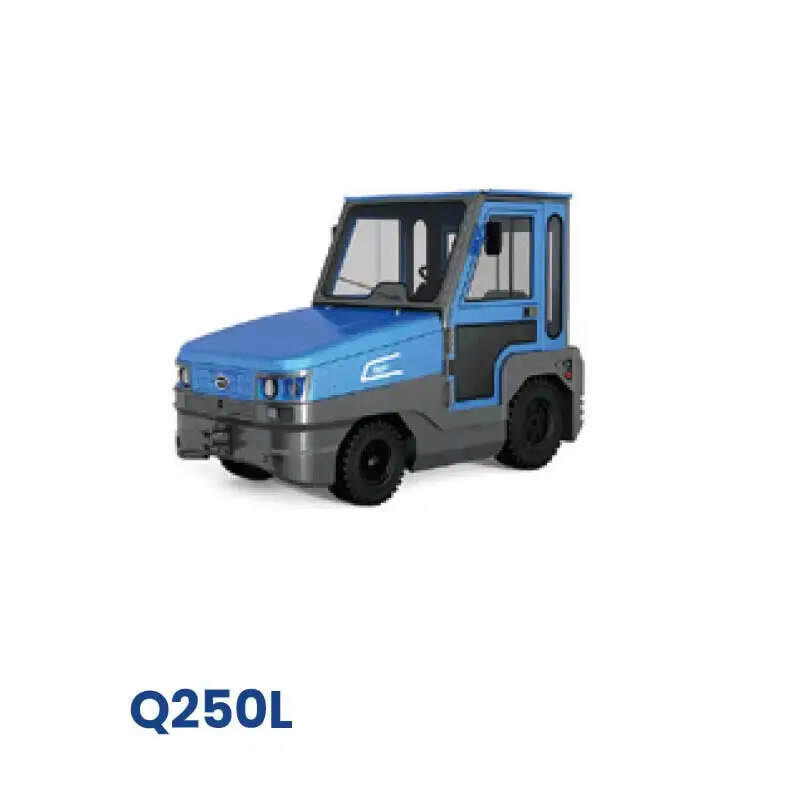
As global warehouse and logistics operations increasingly focus on low-carbon transformation and cost control, electric forklifts have gradually become the mainstream equipment choice for indoor and outdoor short-distance material handling scenarios in recent years. Unlike traditional internal combustion handling equipment, electric forklifts run on on-board power packs, which produce no tail gas emissions during operation, and are more adapted to closed working environments such as food processing workshops, pharmaceutical storage areas and high-value electronic component warehouses.
Core Performance Advantages of Electric Forklifts in Material Handling Scenarios
Most modern electric forklift models adopt optimized motor transmission structures, which can output stable torque at low speeds, and reduce the vibration noise generated during operation to a relatively low level. This feature helps operators maintain higher concentration during long shifts, and reduces the noise interference to other working staff in the shared operation area. The power consumption of electric forklifts can be adjusted dynamically according to actual load weight and driving speed, which avoids unnecessary energy waste caused by idling of internal combustion equipment.
Key Daily Maintenance Practices to Extend Electric Forklift Service Life
Routine maintenance for electric forklifts does not require complex oil circuit cleaning or filter element replacement processes, and most of the daily inspection work can be completed by on-site operation teams without professional technical support. Operators only need to check the surface condition of the power module, the tightness of the connecting wires, the flexibility of the lifting hydraulic system and the wear degree of the walking wheels before each shift. It is recommended to complete one full performance check every 300 working hours, to rule out potential hidden troubles of circuit aging or component loosening in time. Proper maintenance habits can effectively reduce the failure rate of equipment in peak operation periods, and lower the long-term comprehensive use cost for the operation team.
Standardized Operation Tips to Improve Working Efficiency
During daily operation, operators should avoid frequent full load start and stop as much as possible, and keep the running speed within the safe range specified by the equipment manual, so as to avoid excessive loss of power modules and driving motors. When carrying goods of different weights, operators should adjust the center of gravity of the goods to a reasonable position according to the load limit mark on the equipment body, to avoid side slipping of goods or abnormal wear of the walking structure. For long-time continuous operation scenarios, teams can arrange reasonably staggered charging plans according to the actual remaining power of equipment, to ensure the continuity of daily handling work. Proper operation habits can give full play to the performance advantages of electric forklifts, and create more stable output for the whole logistics handling system.


