
 English
 Русский
 Français
 Português
 Español
 لالعربية

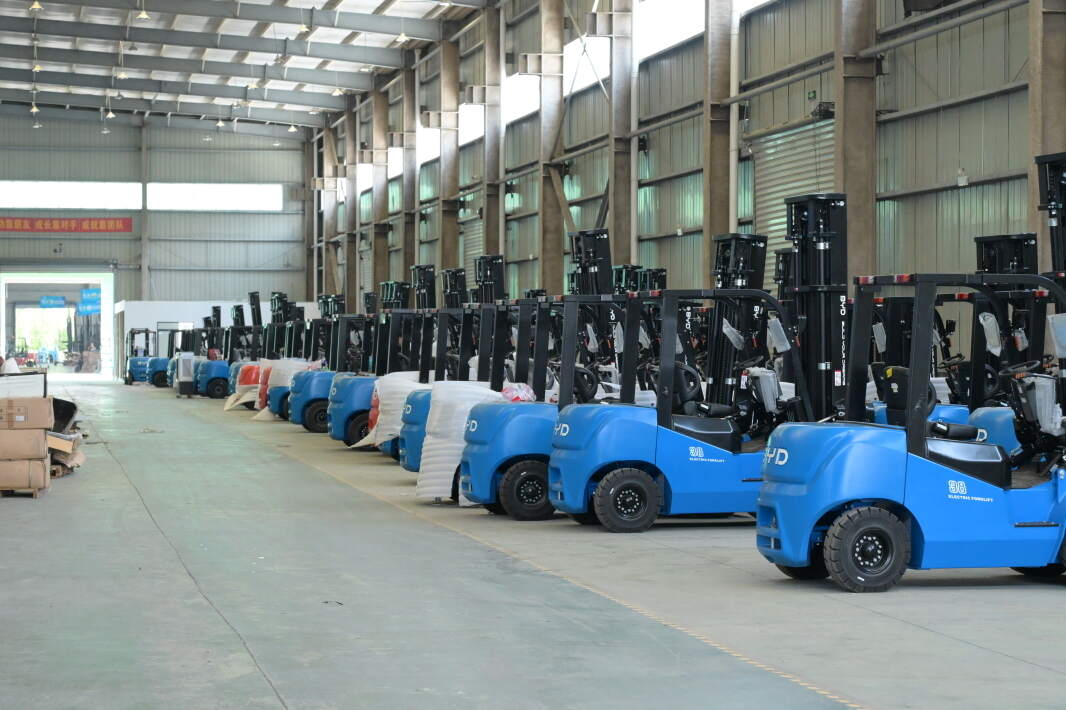
With the rapid development of low-carbon logistics and standardized indoor warehouse operation, electric forklifts have become one of the most widely used material handling equipment in storage, manufacturing and distribution scenarios. Unlike internal combustion forklifts, electric models produce no tail gas emission during operation, bring lower noise level and more flexible maneuverability for narrow space working conditions, which can fit the diversified operation demands of most logistics sites smoothly.
Core Advantages of Modern Electric Forklifts
Compared with traditional fuel-powered counterparts, properly used electric forklifts can keep stable performance for long term, with lower energy consumption cost per working hour. Most new models are designed with optimized weight distribution, which helps reduce rollover risk during high-lifting or full-load turning. Their compact body structure also allows operators to pass through narrow warehouse aisles smoothly, improving overall material transfer efficiency without occupying extra working space. The all-electric power system also cuts the daily operation noise level significantly, creating a more comfortable working environment for on-site staff.
Standard Daily Operation Guidelines
Before starting any operation, operators need to complete pre-shift inspection of key components, including brake system, power level, lifting chain tightness and tire wear condition. It is not recommended to carry overloaded goods beyond the rated load capacity, and operators should keep the load at a low position when moving on uneven ground to avoid accidental slipping. When working in enclosed indoor spaces, there is no need to install extra tail gas exhaust facilities, but operators should keep clear observation of surrounding personnel and obstacles at all times, and avoid sudden acceleration or sharp turning during high speed moving.
Routine Maintenance Points to Extend Service Life
Regular basic maintenance can effectively reduce unexpected fault downtime of electric forklifts. Users need to arrange regular cleaning of the dust and debris accumulated on the motor and power connection parts every 1 to 2 weeks, and check the status of the power battery according to the official product instruction. It is not suggested to leave the equipment in full power loss status for a long time, which may cause irreversible damage to the battery pack. Users can arrange professional inspection of control system and braking parts every 3 months to keep the equipment in good working status for longer time.
Scenario-based Safety Specification Tips
When operating electric forklifts on ramp areas, users should move the equipment slowly along the ramp direction, and avoid turning on the slope to prevent side slip. For long time no-use storage, the equipment should be parked in dry, ventilated area with power cut off, and the fork should be put down to touch the ground completely. Following these basic operation and maintenance rules can help enterprises get more stable use performance from electric forklifts, and create a safer working environment for all on-site logistics staff.


