
 English
 Русский
 Français
 Português
 Español
 لالعربية


When operating electric forklifts and other industrial material handling equipment, verifying the accurate load capacity is the core prerequisite to avoid operation risks, reduce unnecessary component wear, and extend the whole service life of the equipment. The whole checking process should follow standardized operation procedures without arbitrary over-limit test, so as to ensure the safety of both operators and on-site stored goods.
First step, check the factory marked nameplate and parameter description. All standard electric forklifts are equipped with an obvious permanent nameplate near the operation console, which clearly marks the rated load capacity under standard lifting height, standard load center distance and other basic working conditions. Operators should confirm that the actual goods weight, load center position and planned maximum lifting height match the rated parameters marked on the nameplate before formal operation, and do not carry out load handling that exceeds the adaptation range of the current working condition.
Second step, carry out static load verification under idle condition. After confirming the basic parameters, you can use standard counterweight blocks that are lower than 10% of the rated load to complete the static placement test. Park the forklift on a flat hard site, lift the counterweight slowly to 300mm above the ground, keep the state for 3 to 5 minutes, check the stability of the body, no obvious sliding of the mast, no abnormal pressure relief of the hydraulic system, and confirm that the basic static load bearing performance is normal.
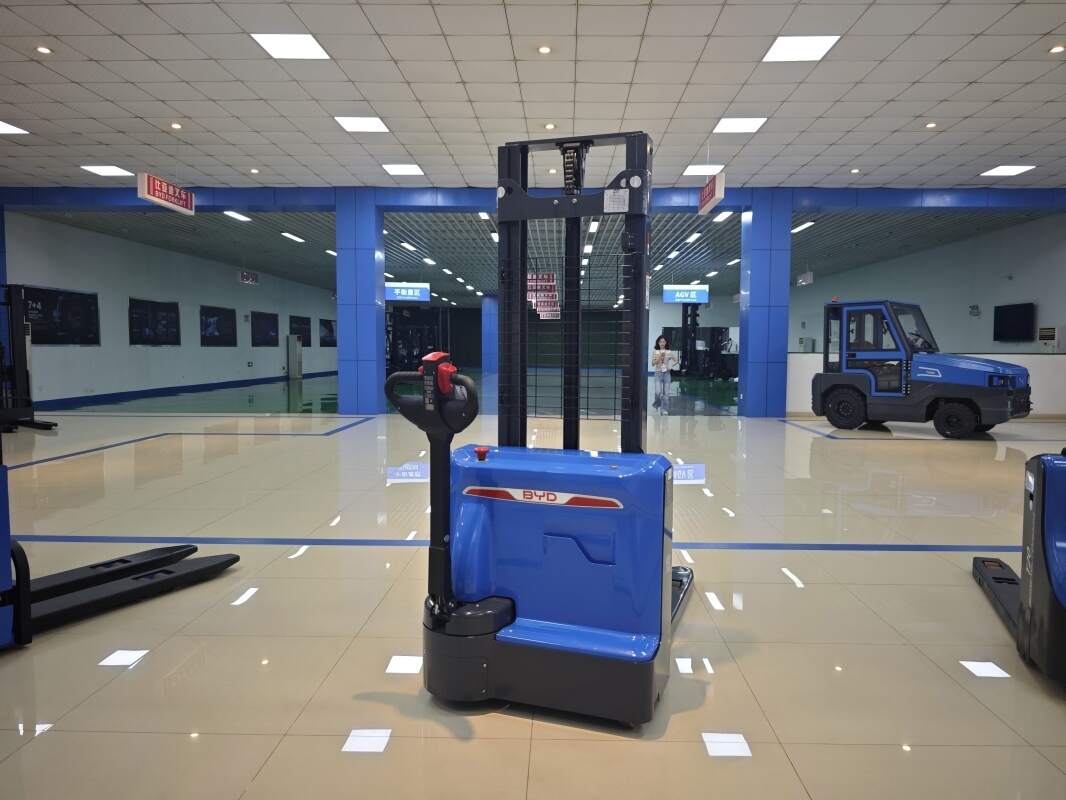
Third step, complete dynamic load simulation inspection. On the basis of passing the static test, carry out low-speed driving, forward and backward turning, and low-height lifting and descending operation with the test counterweight, observe the sensitivity of the operation control system, the stability of the braking system, and there is no abnormal jitter or alarm prompt of the whole vehicle, to ensure that the load capacity meets the actual operation needs in the dynamic working state.
Fourth step, regularly calibrate the load sensing components on a monthly or quarterly basis according to the operation frequency of the equipment. For electric forklifts that operate for more than 8 hours per day, the load detection module should be inspected regularly by professional technicians, to avoid measurement deviation caused by long-term wear of components, and ensure the accuracy of load capacity judgment in daily operation.
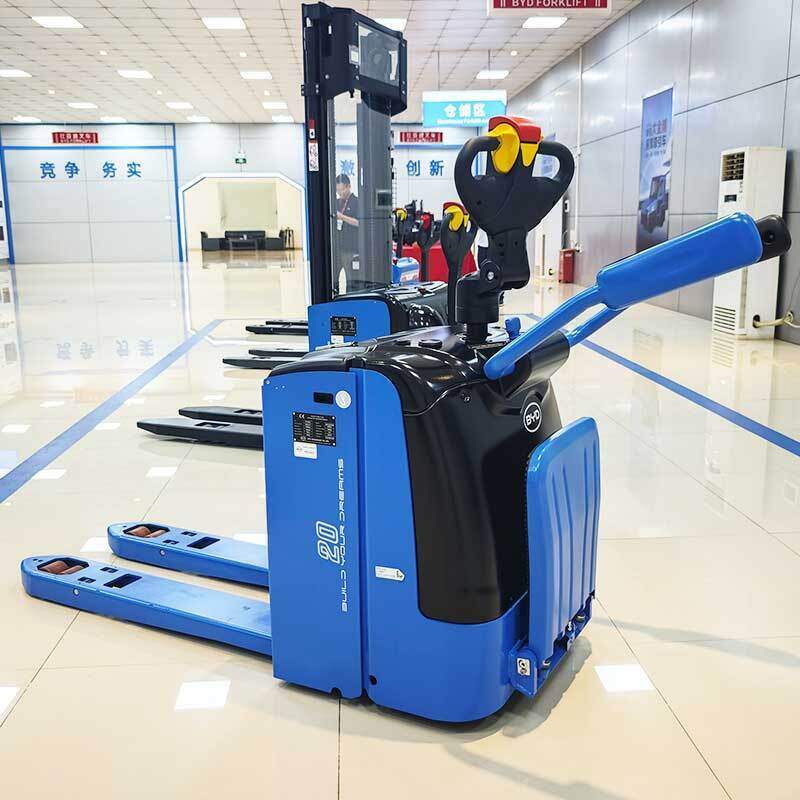
Jianshu New Energy is specialized in BYD electric forklift related services, if you have any demand for professional load capacity inspection, operation training or equipment maintenance support, you can contact us via [email protected] at any time.


