
 English
 Русский
 Français
 Português
 Español
 لالعربية

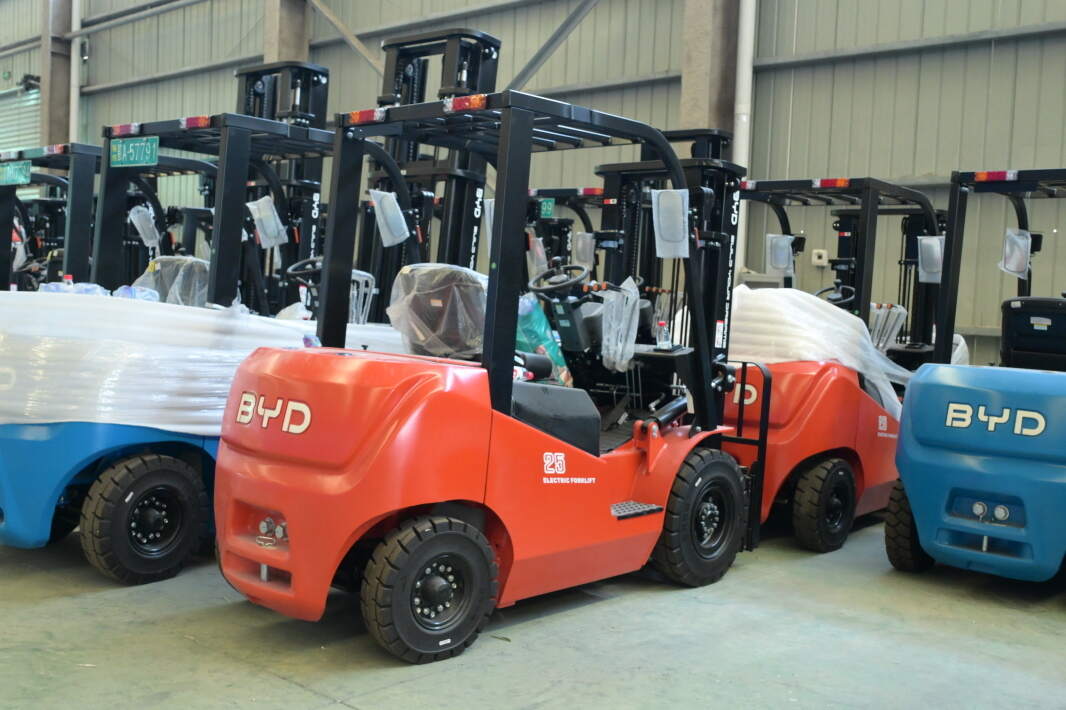
With the continuous popularization of low-carbon logistics concepts, electric forklifts have become one of the most widely used handling equipment in modern storage, manufacturing and distribution sectors. As a senior practitioner with years of experience in this industry, this guide sorts out universal practical knowledge related to electric forklift usage, to help relevant personnel grasp correct operation logic and reduce unnecessary equipment wear.
Core Performance Advantages of Modern Electric Forklifts
Different from traditional internal combustion handling equipment, modern electric forklifts are powered by rechargeable energy storage units, which produce almost no exhaust emission during operation, and their operating noise is controlled at a relatively low level, which can meet the environmental protection requirements of closed indoor spaces such as food processing workshops, pharmaceutical storage areas and cold chain warehouses. Their power output curve is smoother, so operators can get more precise control feedback when carrying out loading and unloading, stacking and short-distance shifting operations, which helps to improve the stability of goods handling, and reduce the risk of accidental collision and cargo damage to a certain extent.
Standardized Daily Operation Specifications
Before starting the equipment every time, operators need to complete basic pre-inspection work, including checking the remaining power of the energy storage unit, the flexibility of the steering system, the braking performance, the smooth lifting of the gantry and the intact state of the warning lighting components. During the operation process, it is not allowed to carry out over-load handling beyond the rated load range of the equipment, and the running speed should be adjusted reasonably according to the smoothness of the site pavement and the crowd density in the working area. It is also not recommended to carry out sharp steering or emergency braking operations when the equipment is running at a relatively high speed with goods loaded, to avoid the risk of side rollover or cargo slipping.
Routine Maintenance Points to Extend Service Life
After each daily operation is completed, operators should park the equipment in the designated ventilated and dry area, lower the gantry to the lowest position, cut off the power supply, and clean the dust and sundries accumulated on the surface of the body and the running wheel set in time. Regularly check the tightness of each connecting fastener, the wear degree of the transmission parts and the loss of the lubricating oil, and arrange professional personnel to carry out systematic inspection and calibration of the core power components and electrical circuit system according to the specified cycle, which can effectively reduce the failure rate of the equipment in the peak working period.
Scenario Matching Tips for Different Handling Demands
For the scenes with narrow channel width and high stacking height, users can choose the corresponding model with compact body size and higher lifting height according to the actual size of the shelf and the channel space. For the outdoor operation scenes with large site area and frequent long-distance material transfer, users can select the equipment with larger battery capacity and stronger pavement adaptability to meet the all-day continuous operation demand.


