
 English
 Русский
 Français
 Português
 Español
 لالعربية

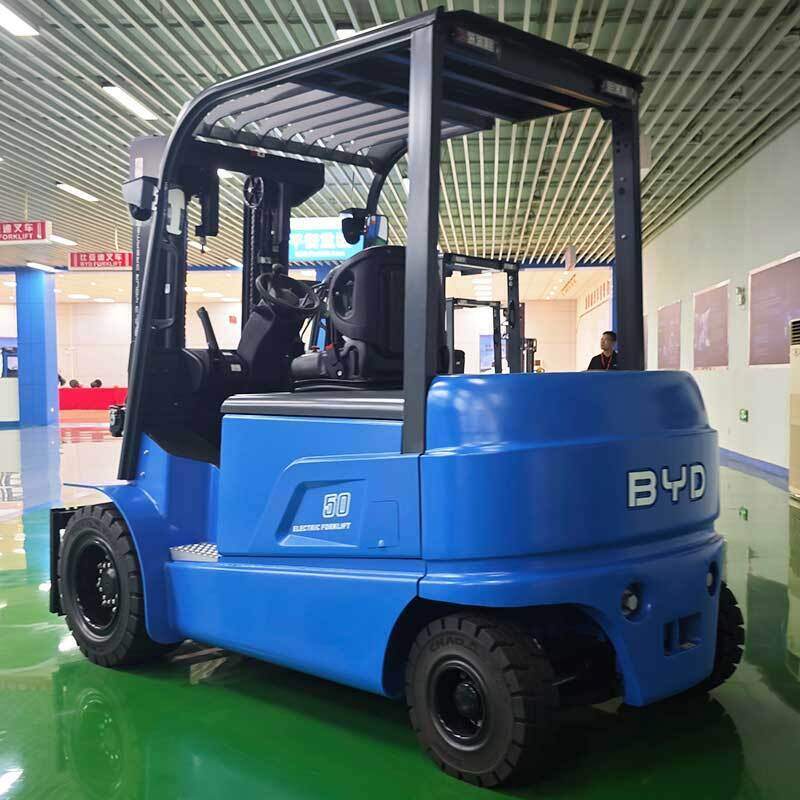
Electric forklifts have become a core mainstream equipment choice for modern indoor material handling, as the global warehousing and logistics sector gradually prioritizes low-carbon operation, low noise emission and zero on-site pollution. Different from traditional internal combustion handling equipment, electric forklifts produce no tail gas during operation, create less noise interference to surrounding workers, and can maintain stable working status for long continuous periods under proper management.
Core Suitable Application Scenarios
Electric forklifts show higher use value in scenarios with strict requirements on operation environment, such as closed finished goods warehouses, food processing workshops, pharmaceutical storage areas and urban retail distribution centers. For conventional pallet handling, medium and low-height cargo stacking, short-distance material transferring within indoor areas, properly matched load parameters can help the equipment run in a more energy-saving status, and avoid extra energy consumption caused by performance mismatch.
Standardized Daily Operation Guidelines
All operators need to complete corresponding pre-job skill training before formal operation. Before starting each shift, operators need to check the sensitivity of the braking system, remaining battery power, and flexible status of the lifting mechanism first. During moving process, operators should keep low speed in narrow aisles, give prompt reminder in advance when turning, and avoid sudden acceleration or sharp brake. After finishing daily work, operators need to pull the handbrake completely, lower the forks to the lowest horizontal position, and park the equipment in the designated fixed area.
Routine Maintenance Best Practices
Operators can arrange regular cleaning of dust and residual cargo scraps on the body surface, to avoid sundries accumulating around the battery pack and affecting normal heat dissipation. Following the recommended cycle given by the equipment supplier, check the tightness of all circuit interfaces, calibrate the pressure parameters of the hydraulic lifting system, and conduct proper charging management for the power battery. It is not recommended to store the equipment under long-term underpower status, which may cause extra loss to the overall service life of core components.
Common Safety Risk Prevention Tips
Units that use electric forklifts should set clear management rules to prevent untrained personnel from operating the equipment privately. Do not carry irrelevant personnel on the driving seat during operation, and never leave the operation position when the forks are lifted to a high position. Relevant management personnel can arrange regular inspection on the wear condition of solid tires, normal working status of warning lights and buzzers, and stop the equipment for troubleshooting in time once abnormal signs are found, to avoid potential safety risks caused by faulty operation. With standardized whole-process management, electric forklifts can provide stable, low-cost material handling support for daily operation of industrial and warehousing scenarios.


