
 English
 Русский
 Français
 Português
 Español
 لالعربية

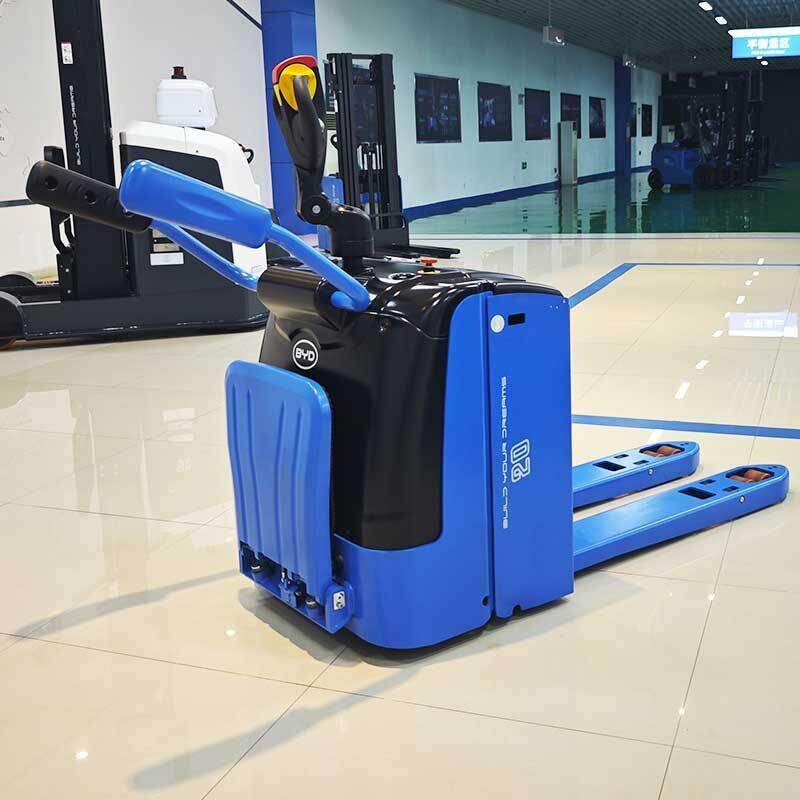
Electric forklifts have become one of the most popular material handling equipment in modern warehouses, manufacturing sites and logistics scenarios, for their low local noise, zero on-site emissions and relatively low long-term operation cost. Many frontline operators and enterprise facility managers lack systematic cognition of its correct use rules and maintenance logic, which may cause unplanned downtime and accelerated wear of core components in long-term use.
Basic Pre-operation Inspection Specifications
Before starting any formal operation of the electric forklift, operators need to complete a series of standard checks to eliminate potential hidden risks in advance. First, check the remaining power level of the power system to confirm that it can support the expected operation tasks of the current shift, so as to avoid sudden power loss in the process of high-altitude loading and unloading or narrow passage turning. Then check the wear condition of the tire tread and the tightness of connecting fasteners, confirm that the brake response is sensitive and the parking brake can function normally, and also check the lifting hydraulic system for obvious oil leakage, to make sure the limit protection devices of the gantry can trigger effectively. Operators also need to adjust the driving seat position and mirror angle before starting, to ensure a full view of the surrounding operation environment.
Standardized Operation Guidelines for Daily Use
During the whole operation process, operators need to strictly follow the load marking parameters on the equipment nameplate, and avoid overloading for a long time even if the actual handling goods seem to be within the bearing range. When driving in narrow passages, crowded operation areas or areas with frequent personnel flow, the driving speed should be kept at a low level, and the horn should be sounded in time when the view is blocked. When lifting the goods, the gantry should be kept in a vertical or slightly backward tilt state, and sharp acceleration and sudden stop actions should be reduced as much as possible in the process of carrying goods, to prevent the goods from slipping off the fork. After the daily operation is completed, the equipment should be parked in the designated charging and storage area, the gantry should be lowered to the lowest position, the fork should be horizontally attached to the ground, and the power switch should be cut off completely.
Scientific Daily Maintenance Logic
Routine maintenance of electric forklifts can be divided into daily simple checks by operators and regular professional inspections by technical personnel. For the power battery part, the dust and sundries on the surface of the battery pack should be cleaned regularly, the wiring terminals should be kept dry and free of obvious corrosion, and the battery should not be kept in a long-term power deficit state for consecutive days. For the motor and electrical control system, avoid using high-pressure water gun to wash the electrical component area directly, to prevent short circuit or circuit board damage caused by water ingress. Proper regular maintenance can effectively extend the overall service life of the equipment, reduce the frequency of unexpected failures, and create more stable value for the daily material handling work of the enterprise.


