
 English
 Русский
 Français
 Português
 Español
 لالعربية

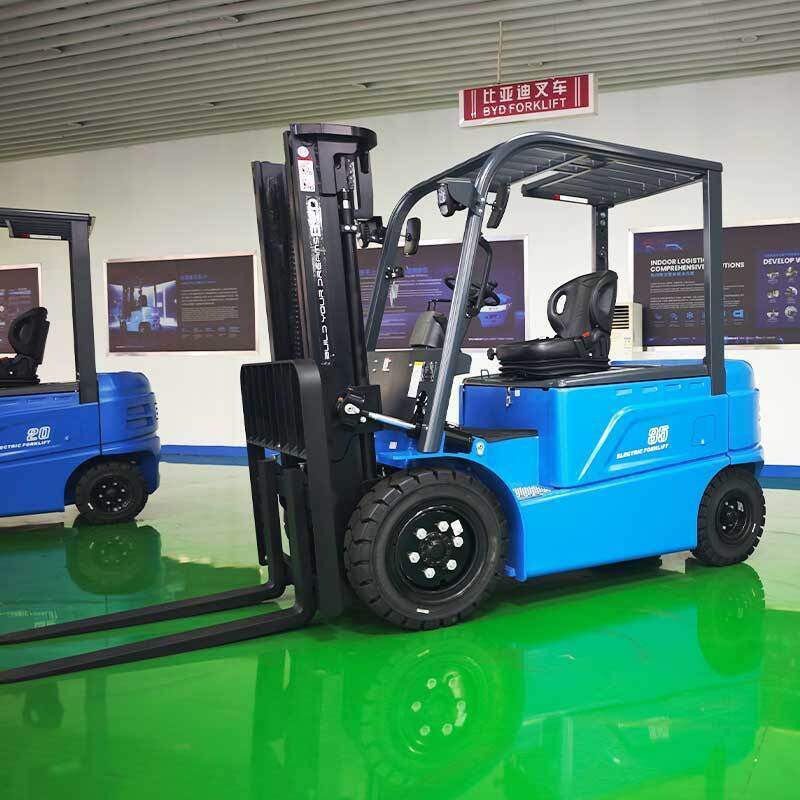
With the continuous development of low-carbon logistics concepts, electric forklifts have become one of the most widely used material handling equipment in various indoor warehouse scenarios, as most logistics operation teams prioritize stable performance, low operating noise and zero local emission of related equipment. Mastering systematic application knowledge of electric forklifts can help front-line operators and warehouse managers make full use of the equipment value, reduce unnecessary operation risks, and support the stable operation of daily logistics links.
Core Performance Advantages of Modern Electric Forklifts
Compared with traditional internal combustion handling equipment, modern electric forklifts adopt all-electric power output structure, which can provide smoother and more linear power transmission in different load states, and will not produce tail gas that affects indoor air quality during long hours of closed operation. The noise generated during normal operation is far lower than that of fuel-powered equipment, which will not cause interference to staff working in the same area, and is more suitable for scenarios with high environmental requirements such as pharmaceutical storage, food distribution centers, and precision parts warehouses. Most of the current mainstream electric forklift models can cover the load demand of most conventional storage and handling links, and the overall operating cost per hour is at a relatively reasonable level.
Standard Operation Norms to Lower Potential Safety Risks
Operators need to complete targeted pre-job training before officially taking up the post, and carefully check the braking performance, remaining power status, steering flexibility and fork structure integrity before each start-up. During the operation process, the operator should keep a clear view of the surrounding working environment, avoid sudden acceleration or sharp turns in narrow aisles, and do not transport goods with weight exceeding the rated load mark of the equipment. When the goods are lifted to a high position, the moving speed should be reduced appropriately to avoid the risk of goods falling. After the operation is completed every day, the equipment should be parked in the designated area, the power supply should be cut off, and the hand brake should be pulled up to avoid accidental touch by unrelated personnel.
Scientific Daily Maintenance to Extend Equipment Service Life
In daily maintenance work, do not use high-pressure water gun to directly flush the battery pack and electronic control panel, to avoid damage to the precision electronic components caused by water immersion. The staff should regularly check whether the battery terminals have oxidation or looseness, and replenish power in time when the remaining power drops to around 20%, to avoid performance attenuation caused by long-term over-discharge. The moving parts such as walking wheels and lifting chains need to be lubricated regularly to reduce friction loss during operation. Arrange professional technical personnel to conduct a comprehensive inspection of the whole vehicle circuit system every 3 to 4 months, and eliminate small hidden dangers in the initial stage, so as to avoid higher maintenance costs caused by late failures.


