
 English
 Русский
 Français
 Português
 Español
 لالعربية


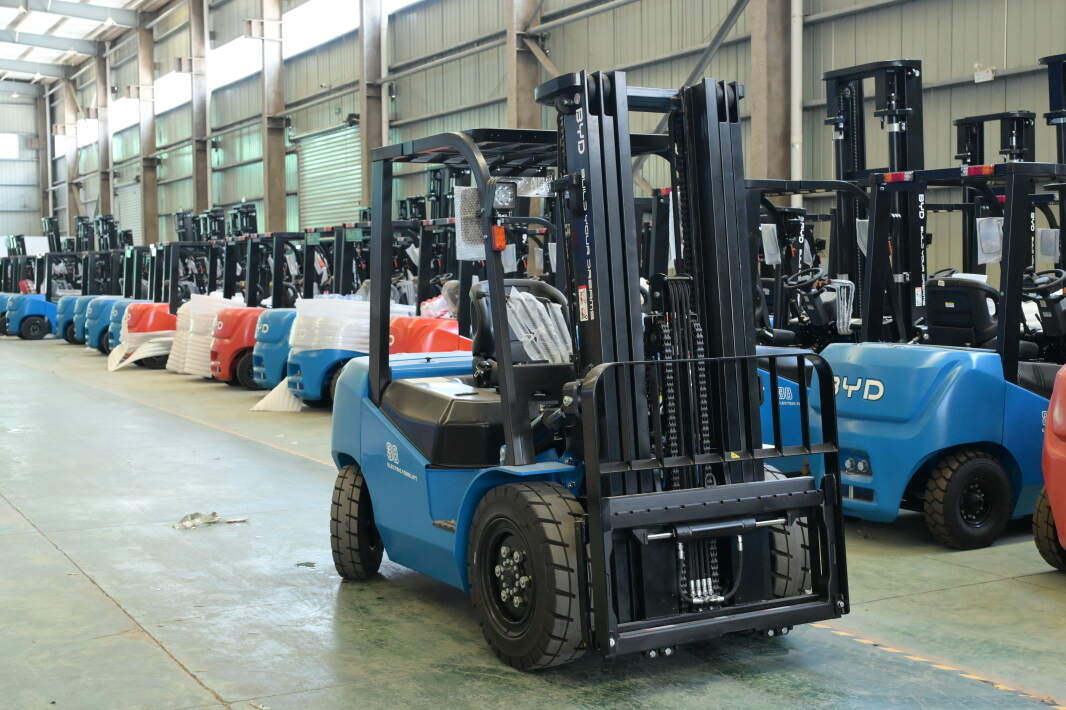
As the logistics and warehousing industry continues to pursue low-carbon, high-efficiency operation modes, electric forklifts have gradually become one of the most widely used material handling equipment in indoor operation scenarios across different sectors. As a senior industry practitioner with years of in-depth research in this field, this guide sorts out universal, practical operation and maintenance points based on actual industry application experience, to provide reliable reference for relevant operators and management personnel.
Core Performance Characteristics of Modern Electric Forklifts
Different from traditional internal combustion handling equipment, modern electric forklift products rely on power battery drive systems, which produce almost no exhaust emission during the whole operation process, making them more suitable for closed indoor working scenarios such as finished goods warehouses, cold chain storage areas and e-commerce sorting centers. The overall vibration and noise level during normal operation is also kept at a relatively low range, which can effectively reduce the long-term physical fatigue of operators after continuous working hours, and create a more comfortable working environment for frontline staff. Most current electric forklift models are designed with relatively simple operation logic, which reduces the learning threshold for new operators to a certain extent, and shortens the pre-job training cycle for new employees.
Standardized Operation Rules for Daily Working Scenarios
Before starting each operation, operators need to complete a basic pre-inspection work, including checking the remaining power of the power supply system, the flexibility of the lifting and steering components, and the sensitivity of each safety protection switch, to rule out hidden abnormal risks before formal operation. During the operation process, operators need to control the driving speed according to different site conditions, keep a sufficient safe distance from surrounding personnel, goods and facility structures, and avoid frequent sudden acceleration and sudden braking operations when carrying heavy loads. When carrying out stacking and picking operations, operators need to adjust the fork insertion depth reasonably according to the weight and placement state of the goods, to avoid the risk of goods slipping and falling during the lifting and moving process.
Key Daily Maintenance Points to Prolong Service Life
After each daily operation, operators should park the equipment in the designated special parking area, lower the fork to a safe horizontal position, cut off the main power supply, and clean the dust and residual sundries attached to the surface of the equipment and the gaps of the moving components in time. Relevant management personnel should arrange regular professional inspection work according to the actual use frequency of the equipment, check the loss state of the wearing parts such as tires and braking components, and carry out standardized charging and maintenance operations for the power system according to the official specified requirements, to avoid the performance attenuation of the power supply system caused by improper charging habits. Scientific and standardized daily maintenance can effectively reduce the probability of unexpected equipment failure in the peak working period, and help enterprises control the long-term operation cost of material handling links.


