
 English
 Русский
 Français
 Português
 Español
 لالعربية

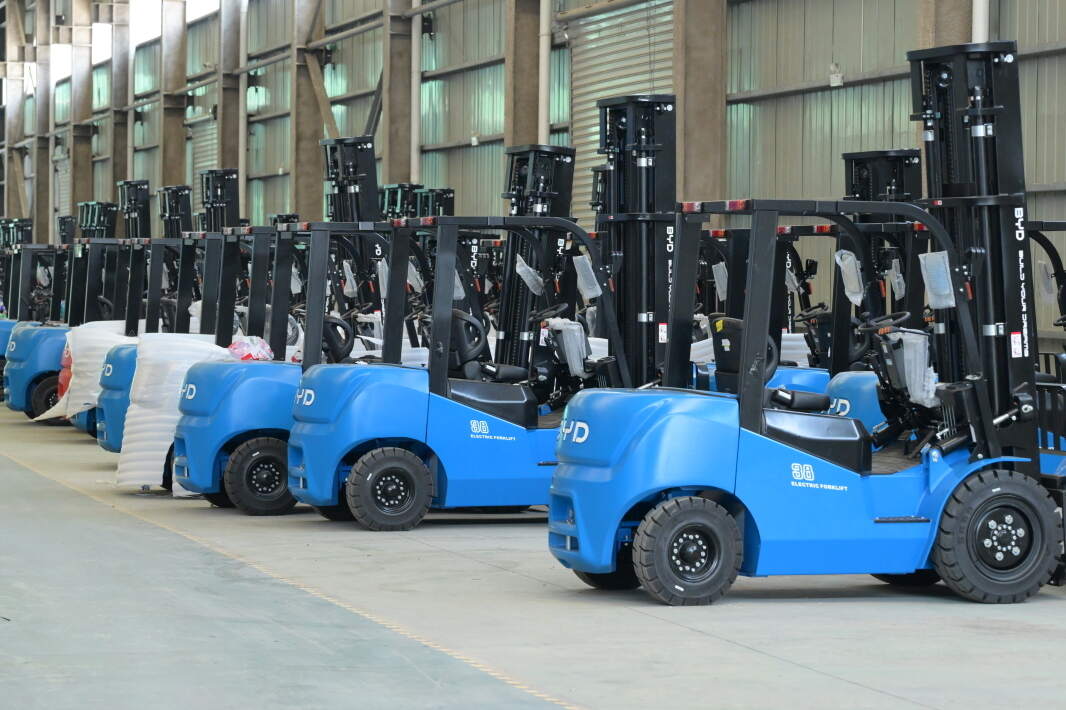
In recent years, electric forklifts have gained wider application in logistics distribution, manufacturing workshops and cold storage scenarios, as they feature lower noise emission and more friendly operation experience compared with traditional internal combustion counterparts. Many frontline operators and warehouse managers still need systematic, practical guidance to maximize the value of the equipment in daily work.
Pre-operation Safety Check Specifications
Before each start of the equipment, operators should complete a full range of basic inspection steps first. It is necessary to check the remaining power level of the power system, confirm the braking device, steering mechanism and lifting door frame can respond stably under no-load state, and check whether the driving wheel and load wheel have obvious wear and foreign matter winding. Operators also need to patrol the surrounding operation area in advance, remove obstacles on the planned driving route, and confirm there is no idle personnel in the high-risk falling area of the goods, to eliminate potential hidden dangers before the formal operation starts.
Operational Efficiency Promotion Suggestions
In the daily operation process, operators can adjust the driving speed dynamically according to the load weight and the actual condition of the passage. When the load is close to the rated maximum value, the lifting height of the goods should be kept at the lowest safe level during moving, and the driving speed should be reduced appropriately when passing the narrow passage and turning. The operation management team can also reasonably plan the material picking and placing route in advance, reduce the no-load driving distance of the equipment in each shift, and improve the turnover efficiency of single batch of material handling, so as to match the peak operation demand of the warehouse.
Routine Maintenance Operation Guidelines
Standardized daily maintenance can effectively extend the stable service cycle of electric forklifts. The power storage component should avoid frequent over-discharge in daily use, and the charging work should be carried out in a dry and ventilated environment that meets safety specifications. The staff should regularly check the connection points of the circuit system to avoid poor contact caused by dust accumulation or damp, and regularly check the liquid level of the hydraulic oil in the power-assisted lifting system, supplement or replace the oil according to the actual use frequency. Timely cleaning of sundries accumulated on the surface of the body and the heat dissipation structure can avoid the abnormal temperature rise of the equipment during long-time continuous operation. Mastering these practical operation and maintenance points can help enterprises reduce the unplanned shutdown rate of equipment, better adapt to different types of industrial material handling scenarios, and obtain more stable long-term operation benefits.


