
 English
 Русский
 Français
 Português
 Español
 لالعربية


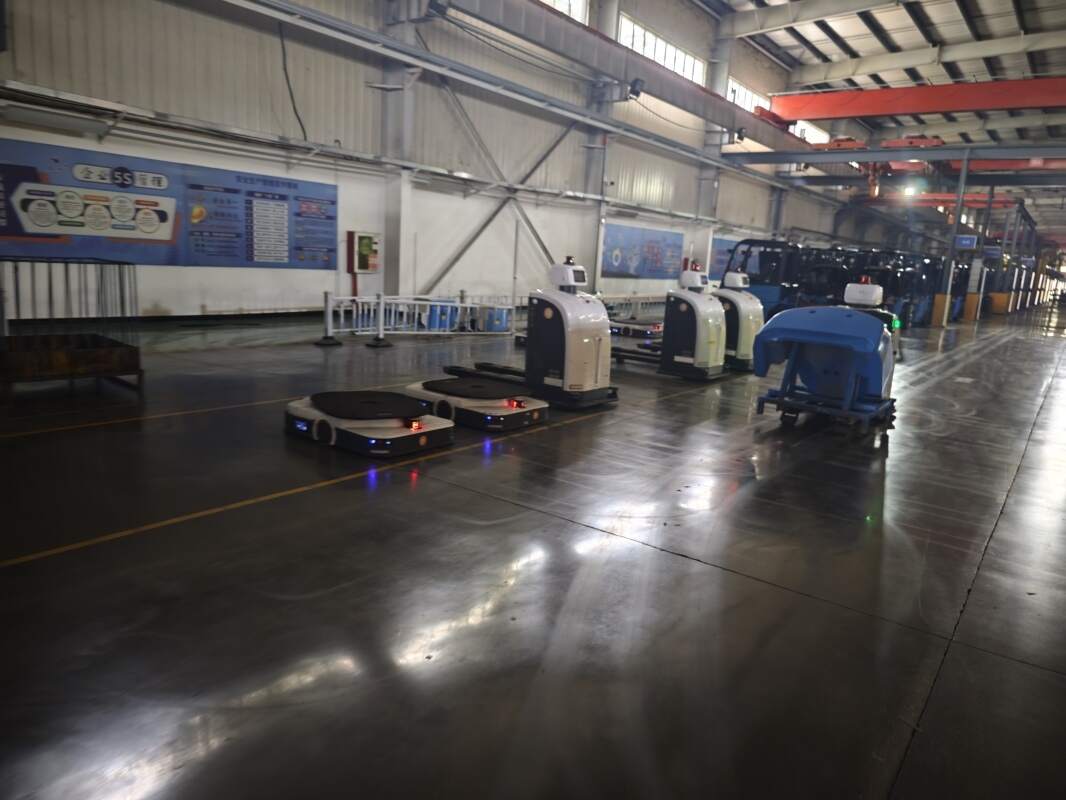
As a core piece of widely applied industrial material handling equipment, electric forklifts have become a common choice for most indoor warehousing, logistics distribution and light manufacturing scenarios for their low noise, zero local emission and flexible operation features. Mastering standardized operation and scientific maintenance rules can help operators maximize the use value of the equipment while avoiding unnecessary potential risks.
Core Operating Safety Specifications for Daily Use
Before starting any operation, operators need to complete basic skill training to get familiar with the basic performance parameters of the equipment. Pre-operation checks should cover the effectiveness of the braking system, the flexibility of the steering structure, the remaining power level and the normal operation condition of the warning light system. During the driving process, operators need to keep a safe distance from surrounding personnel and stacked goods, avoid sharp turns at high speed, and do not keep the cargo at a high lifting position for a long time during normal driving, to reduce the risk of side slip or accidental fall of goods. When working on ramps, operators should keep the cargo facing the upward direction of the ramp, and avoid sudden stop or direction adjustment on the slope surface.
Routine Maintenance Procedures to Extend Service Life
After completing each shift of operation, operators can turn off the power first to clean up the dust, packaging waste and sundries attached to the body surface and the supporting wheel structure, to avoid foreign matter abrasion on the moving parts. For the power battery system, staff can regularly check the tightness of the wiring terminals, and check the liquid level state of the battery according to the corresponding product operation requirements, to avoid poor power supply caused by abnormal contact. The hydraulic lifting system should be inspected regularly for traces of leakage, and the wear degree of solid or pneumatic tires should be recorded periodically. When the wear degree reaches the preset warning line, relevant vulnerable parts can be replaced in time, rather than forcing the equipment to run with hidden faults.
Energy Efficiency Optimization Tips for Long Term Operation
To reduce unnecessary power consumption in daily work, the operation team can reasonably plan the driving route in advance according to the cargo storage location, to reduce meaningless empty driving trips. The charging process should be carried out in a ventilated, dry and temperature-appropriate environment, following the parameter requirements specified in the operation manual, to avoid frequent over-discharge or over-charge of the battery. In low temperature working environments, keeping the battery module in a suitable ambient temperature range can effectively reduce the extra loss of stored power. Avoid long time idle operation without any handling task, which can further reduce the overall long-term operating cost of the equipment, and maintain stable working performance in different usage scenarios.


