
 English
 Русский
 Français
 Português
 Español
 لالعربية

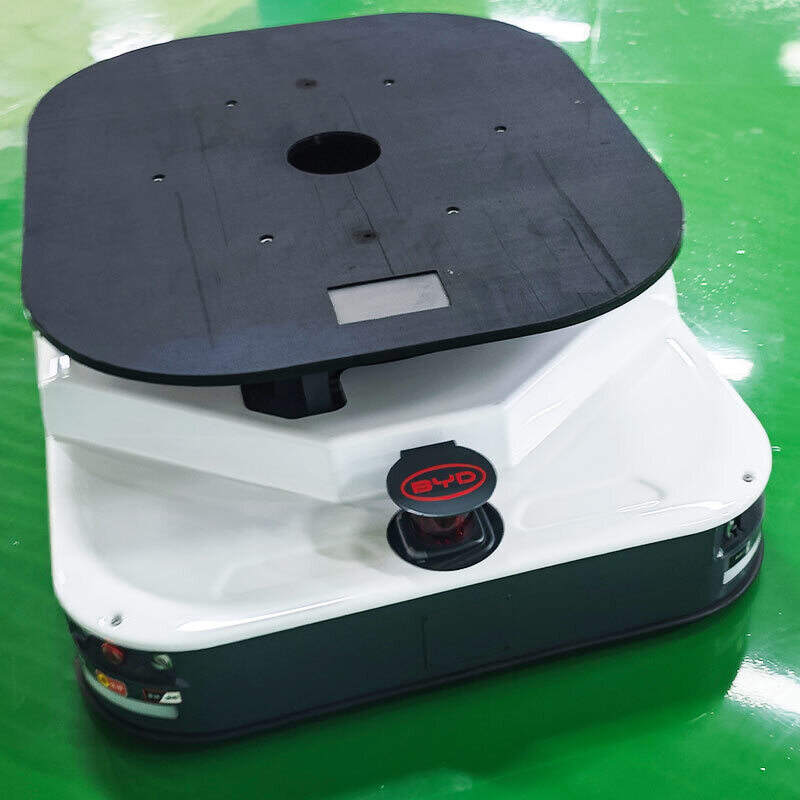
With the growing demand for low-carbon and efficient material handling in modern warehouses and manufacturing facilities, electric forklifts have become one of the most widely used handling equipment in relevant scenarios. Mastering proper use and management rules of electric forklifts can help operators give full play to the equipment’s inherent advantages, reduce unnecessary operation risks and cut long-term operation costs effectively.
Basic Standardized Operation Requirements
All operators need to complete systematic pre-job training before officially using the electric forklift, to get familiar with the layout of control components and response logic of different function buttons. Before each shift of operation, staff need to walk around the whole vehicle to check the tire condition, brake sensitivity, remaining power of the power system and the flexibility of the hydraulic lifting structure. During the operation process, avoid overloading beyond the rated load capacity, control driving speed on narrow aisles and ramp sections, do not make sharp turns or sudden brake at high travelling speed, and never allow any personnel to stay under the lifted forks. After finishing daily operation, operators should park the vehicle in the designated fixed area, lower the forks to a certain height close to the ground, pull up the handbrake and cut off the main power supply.
Scientific Daily Maintenance Arrangements
Regular and standardized maintenance work can effectively extend the service cycle of electric forklifts and reduce unexpected downtime. After each use, operators can wipe off the dust, spilled packaging residues and other sundries attached to the vehicle body, to avoid these foreign matters entering the moving parts and causing abnormal wear. For the power battery part, check the connection tightness of wiring terminals on a regular basis, and keep the proper liquid level of corresponding battery components according to product specifications. If the equipment needs to be idle for a long time, arrange regular supplementary charging every two weeks, to avoid deep power loss that may affect the total cruising range. It is not recommended for non-professional personnel to disassemble the core circuit and hydraulic system privately, which may cause hidden dangers to subsequent operation safety.
Practical Tips for Performance Optimization
To further improve the using efficiency of electric forklifts, users can select suitable matching accessories according to the common types of goods in daily handling scenarios, so as to reduce the repeated adjustment time during each handling cycle. Operation management teams can also reasonably plan the travelling route in the operation area, reduce unnecessary detours and frequent start-stop actions, so as to lower unnecessary power consumption. Arrange regular inspection on the operation condition of the driving motor and hydraulic pump station, adjust the clearance of the brake system properly, to keep the whole vehicle in a stable and efficient running state for a long time.


