
 English
 Русский
 Français
 Português
 Español
 لالعربية

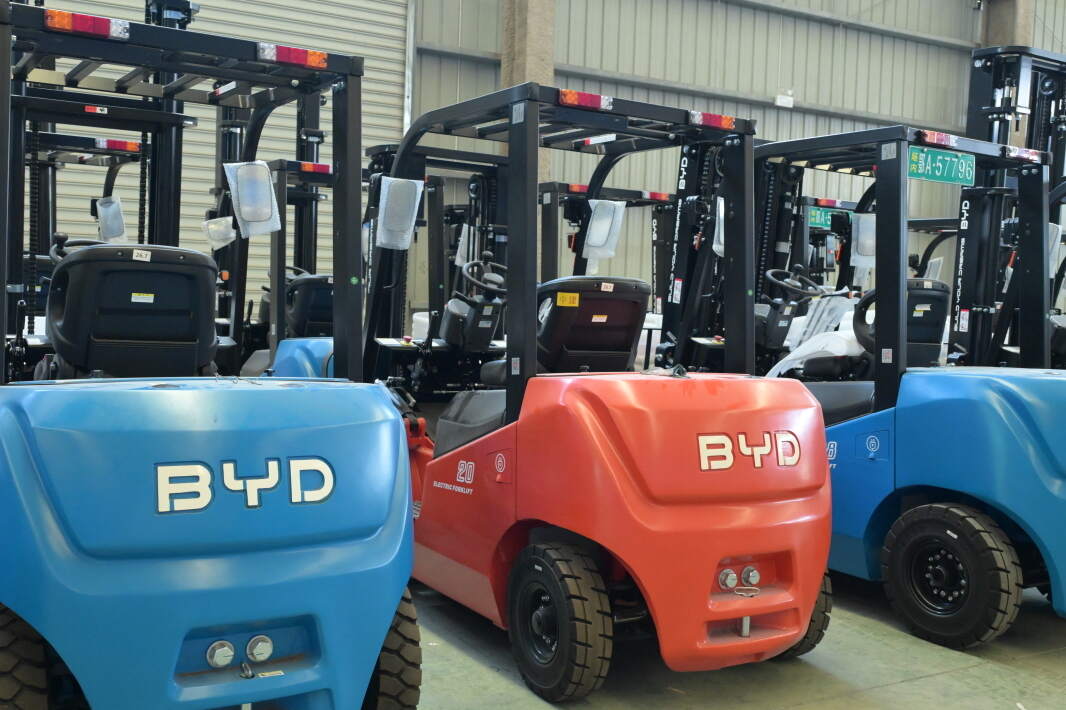
Electric forklifts have gradually become one of the most widely used material handling equipment in indoor warehousing, manufacturing workshops and distribution centers in recent years, and mastering corresponding professional use and management knowledge can help enterprises give full play to the value of such equipment.
Core Performance Advantages of Electric Forklifts
Compared with traditional fuel-powered handling equipment, electric forklifts produce no local exhaust emissions during operation, and the overall operating noise is controlled at a relatively low level, which can meet the environmental access requirements of enclosed operation spaces such as food processing workshops, pharmaceutical storage areas and cold chain warehouses. The power output of most electric forklift models is relatively smooth, the vibration generated during long hours of operation is far smaller than that of fuel equipment, which can effectively reduce the physical fatigue of operators in continuous shifts, and create a more friendly working environment for frontline workers.
Standardized Daily Operation Guidelines
Before each shift, operators need to complete a series of basic pre-operation inspections, including checking the appearance of the body for obvious damage, confirming the remaining battery power can support the current shift’s workload, testing the flexibility of the brake and steering system, and confirming the normal function of the warning light and horn. Operators are not advised to overload the equipment beyond the rated load range, avoid sharp steering operations on sloped roads, and never perform lifting or moving operations when other personnel stay under the lifting forks. When the operator leaves the working position for more than a short period, they need to lower the forks to the ground, pull the handbrake tightly and cut off the main power supply.
Routine Maintenance Suggestions for Long-term Stable Operation
Regular maintenance work can effectively reduce the failure rate of electric forklifts and extend the overall service cycle of the equipment. Relevant management personnel need to regularly check the connection part of the battery to avoid poor contact caused by dust accumulation, check the surface of the internal wiring harness regularly to confirm there is no obvious wear or exposed core, and check the oil level of the hydraulic system according to the specified cycle to avoid insufficient oil pressure affecting the lifting performance. It is not recommended to park the electric forklift in an environment with extreme high or low temperature for a long time. When the equipment is not used for a long time, the battery should be kept at a reasonable remaining power level to avoid capacity attenuation caused by long-term full discharge, so as to reduce the overall use cost of the whole life cycle.


