
 English
 Русский
 Français
 Português
 Español
 لالعربية

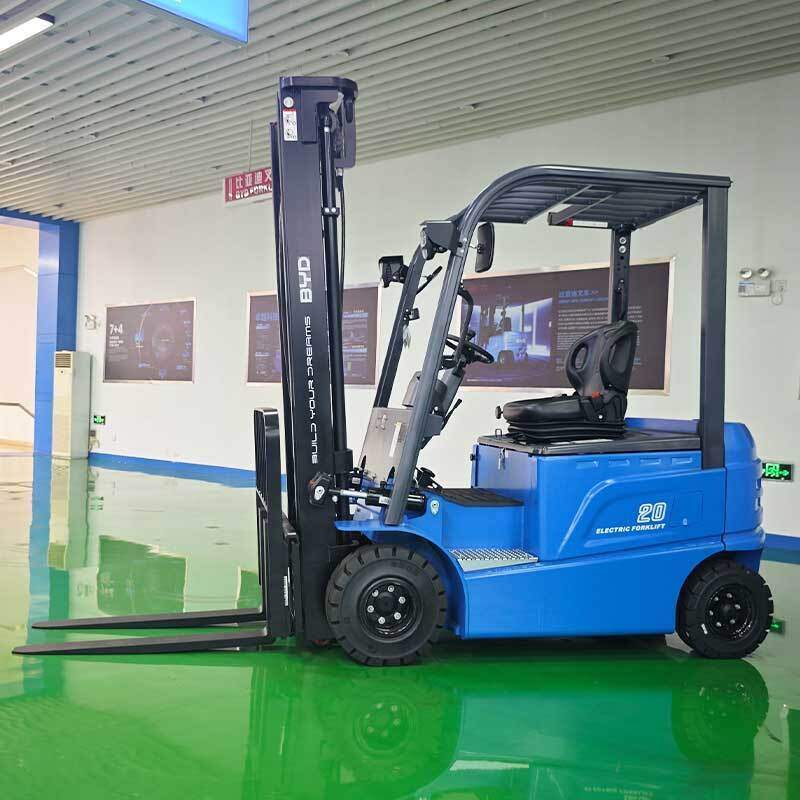
As more logistics, manufacturing and warehousing facilities shift towards low-emission, low-noise material handling solutions, electric forklifts have become a core piece of widely deployed industrial equipment. Proper usage and routine management of these devices not only extend their service life but also create noticeable value for daily operational workflows. The following content shares evidence-based practical insights tailored for regular operators and facility management teams.
Core Safe Operation Guidelines for Daily Use
Under regular operating conditions, operators need to conduct a pre-shift check before each use, covering components such as the brake system, lifting chain, tire condition and remaining battery power. It is not recommended to overload the equipment beyond its rated load capacity, even for short-distance transportation, as this may cause hidden damage to the drive motor and lifting structure. When operating on narrow warehouse aisles or near pedestrian crossing areas, operators should reduce the travel speed appropriately and maintain a clear field of view to avoid collisions with stacked goods or surrounding facilities. For long-distance transfer across different working zones, try to avoid sudden acceleration or sudden braking movements, which can reduce unnecessary energy consumption and wear of the walking parts.
Routine Daily Maintenance Practices
Unlike internal combustion forklifts, electric forklifts rely on electrical power systems to provide full power output, so targeted maintenance work should focus on battery care and electrical component inspection. The battery should be charged in a designated ventilated area that meets safety standards, and it is not advisable to leave the battery in a completely depleted state for a long time, which may affect its overall energy storage performance. Operators should wipe off dust, water stains and residual debris on the surface of electrical components on a weekly basis, and check the tightness of each wiring connector regularly to avoid loose connection problems that affect normal operation. The lubrication work of moving parts such as the lifting mast and steering shaft should be carried out according to the specified cycle, to keep the operating feel smooth and reduce abnormal noise during operation.
Practical Tips for Performance Optimization
To maximize the working efficiency of electric forklifts in daily scenarios, facility management teams can adjust the layout of goods stacking areas reasonably, to shorten the average travel distance of equipment during each handling task. Avoid parking the electric forklift in a high temperature or humid environment for a long time when it is not in use, which can effectively reduce the aging speed of the shell and internal components. For teams with multiple electric forklifts deployed, a regular usage log can be established to record the daily working hours, maintenance records and abnormal feedback of each device, which helps to arrange targeted inspection plans in advance, reduce unexpected downtime and improve the overall continuity of material handling work. Following these scientific operation and management habits can help teams make full use of the advantages of electric forklifts, and create a more stable and efficient working environment for on-site material handling.


