
 English
 Русский
 Français
 Português
 Español
 لالعربية

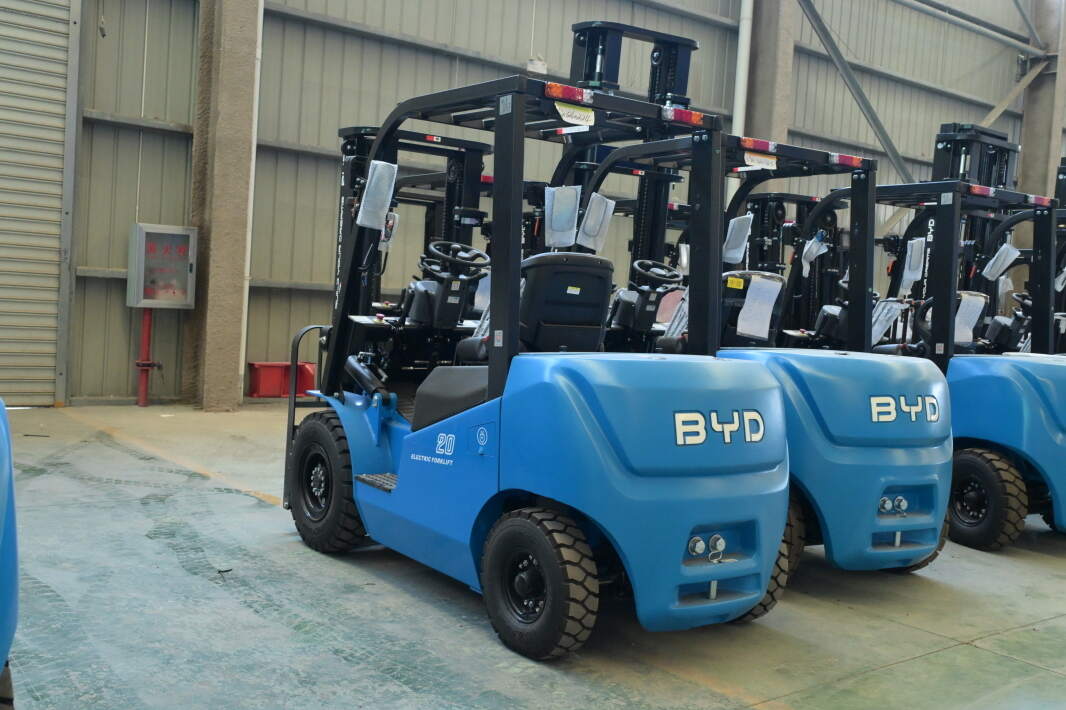
As the industrial material handling sector shifts toward low-carbon, high-efficiency operation modes, electric forklifts have become a widely adopted equipment choice for warehouse, manufacturing and logistics scenarios, thanks to their low noise, zero local emission and relatively low long-term operation cost. Mastering systematic knowledge of electric forklift use can help teams maximize equipment value while avoiding unnecessary operation risks.
Core Operation Specifications for Daily Use
Before starting each shift, operators should complete a full pre-operation check, covering power battery status, brake responsiveness, lifting mechanism flexibility and tire wear condition, rather than directly starting the equipment for handling tasks. During operation, operators should keep clear visibility of the moving path, adjust traveling speed according to site condition, and avoid sudden acceleration or emergency brake that may cause cargo slipping or equipment damage. It is also not recommended to overload the forklift beyond its rated load capacity, even for short-distance handling, as such behavior will cause extra wear to the motor, hydraulic system and supporting structure, and raise hidden safety risks. New operators should receive sufficient standardized training before independent operation, to get familiar with all control functions and response features of the specific equipment.
Routine Maintenance Tips to Extend Service Life
Proper daily maintenance can effectively reduce equipment failure rate and prolong the overall service cycle of electric forklifts. For the power battery, users should follow the official charging rules, avoid deep discharge that drains more than 90 percent of total battery capacity, and keep the battery surface clean to prevent dust or moisture from causing short circuit risks. For the hydraulic system, operators should regularly check the hydraulic oil level, replace the oil at the specified interval to avoid impurities blocking the pipeline, and lubricate all movable joints of the lifting and steering system on a regular basis. It is also advisable to arrange full professional inspection for key components such as driving motor and control system every certain operating hours, to identify potential minor issues in early stage before they develop into big failures.
Efficiency Optimization Points for Common Scenarios
For intensive warehouse handling scenarios that require frequent forklift movement, teams can arrange reasonable operation routes in advance to reduce unnecessary repeated traveling paths, and train operators to complete cargo picking and stacking actions with smooth, coordinated operation rather than frequent repeated adjustment. For cold storage or high-humidity operation scenarios, extra protection measures for the control circuit and battery assembly should be taken, to adapt the equipment performance to the special environment condition. Compared with internal combustion forklifts, electric forklifts have no exhaust emission, so they are more suitable for indoor enclosed operation spaces, as long as users arrange proper ventilation for the charging area to keep the whole operation process stable and reliable.


