
 English
 Русский
 Français
 Português
 Español
 لالعربية

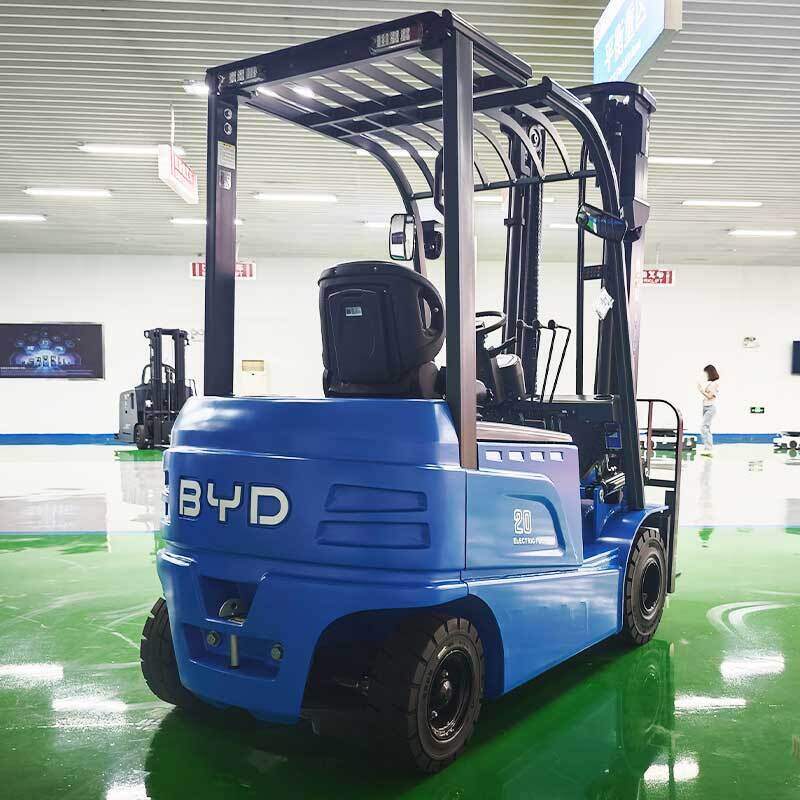
As the global warehousing and logistics sector accelerates the transformation of low-carbon operation modes, electric forklifts have become a mainstream choice for indoor and closed working scenarios for material handling. This content provides systematic practical knowledge for frontline operators and warehouse management personnel to follow in daily practice.
Core Performance Advantages of Electric Forklifts
Different from traditional fuel-powered handling equipment, modern electric forklifts produce zero exhaust emissions during the whole operation process, and the overall operation noise is kept at a relatively low level, which can effectively reduce the interference to the working environment and the physical burden of long-term operators. The power output of electric forklifts is more stable and continuous, the acceleration and deceleration response is smooth, which can effectively reduce the risk of cargo collision and damage during the handling process, and adapt to the handling requirements of fragile high value-added goods. The whole structure of the equipment does not involve complex fuel supply and exhaust filtering components, which reduces the daily difficulty of basic maintenance to a certain extent.
Standard Daily Operation Specifications
Before starting each shift, operators need to complete the necessary pre-inspection work, including checking the remaining battery power, the sensitivity of the brake system, the flexibility of the lifting mast, and the integrity of the safety warning light. During the driving process, operators need to pay close attention to the pedestrian dynamics in the working channel, control the driving speed within the safe range, avoid overloading beyond the rated load, and keep a low uniform speed when passing the ramp and turning sections. Operators should not extend their limbs out of the vehicle body during operation, and cut off the power supply in time after the work is finished, and park the equipment in the designated special parking area.
Routine Maintenance Strategies to Extend Equipment Service Life
In daily use, operators should avoid long-term over-discharge of the battery, arrange charging work in a well-ventilated and dry environment, and regularly clean the dust and sundries accumulated on the surface of the power motor and hydraulic components. The wearing parts such as sealing rings and transmission connecting parts should be checked regularly, and replaced in time when obvious wear is found, which can effectively reduce the probability of sudden failure in the operation process. Scientific maintenance can help the equipment maintain a stable working condition for a long time, and control the overall operation cost of the handling link, to better match the continuous operation needs of different industrial scenarios.


