
 English
 Русский
 Français
 Português
 Español
 لالعربية


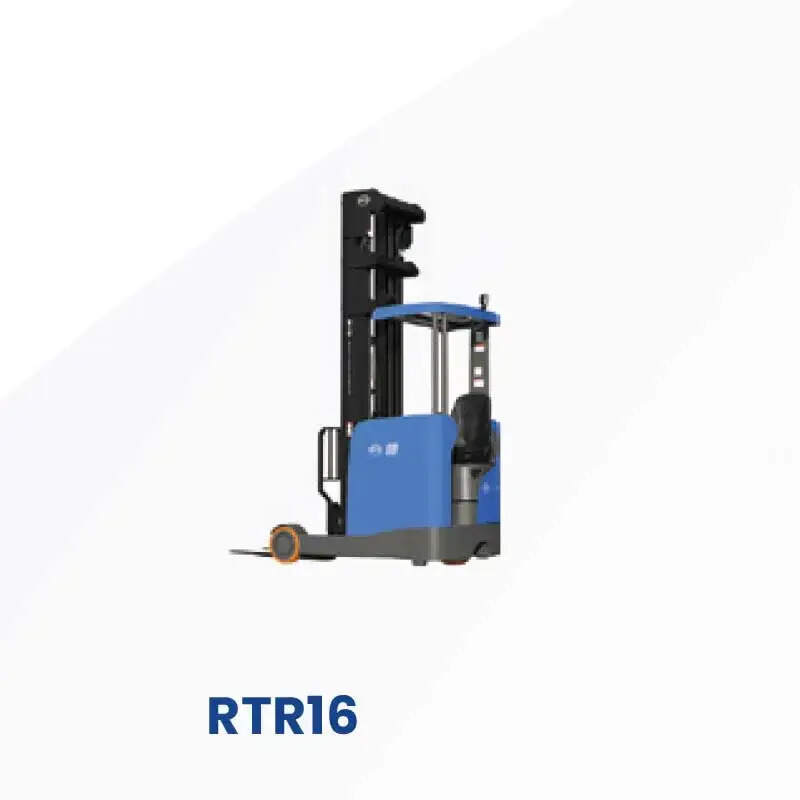
With the continuous development of modern logistics and warehousing industries, electric forklifts have become one of the most widely used material handling equipment in indoor and semi-enclosed operation scenarios, bringing obvious convenience to daily cargo sorting, stacking and short-distance transshipment work. Reasonable mastery of relevant application knowledge can help relevant practitioners make better use of the value of such equipment.
Core Performance Advantages of Electric Forklifts in Common Scenarios
Different from fuel-powered handling equipment, electric forklifts rely on battery packs as the core power source, which produces almost no exhaust emissions during the operation process, and will not cause adverse impacts on the indoor air quality of closed warehousing spaces. The overall noise level during operation is also kept at a relatively low range, which can avoid excessive noise interference to surrounding staff and stored goods that are sensitive to sound pollution. For most small and medium-sized warehousing scenarios, the overall energy consumption cost per unit of operation is also lower than that of traditional fuel power equipment, which matches the daily operation rhythm of most logistics parks.
Practical Daily Maintenance Suggestions for Stable Operation
Regular daily inspection work can effectively reduce the probability of sudden equipment failure in the peak operation period. Operators can check the remaining power level, tire wear degree, brake sensitivity and lifting hydraulic system status before each shift, and clean the dust and sundries accumulated on the surface of the equipment body and ventilation gap after the daily operation is completed. It is not recommended to charge the battery pack under the condition of complete power depletion for a long time, which can maintain the overall performance of the power system for a longer time, and avoid unexpected shutdown that affects the operation schedule.
Standard Operation Norms to Avoid Unnecessary Risks
Before formal operation, operators need to receive corresponding professional skill training, master the correct operation logic of each functional component, and not carry out overloading operation beyond the rated load range specified by the equipment. When the equipment is running in the narrow passage of the warehouse, it is necessary to keep a safe distance from the surrounding shelves and passing staff, and adjust the running speed according to the actual operation environment to ensure the handling process goes smoothly. Proper operation and regular maintenance can give full play to the use value of electric forklift equipment, and create more stable conditions for the daily material handling work of the warehouse.


