
 English
 Русский
 Français
 Português
 Español
 لالعربية

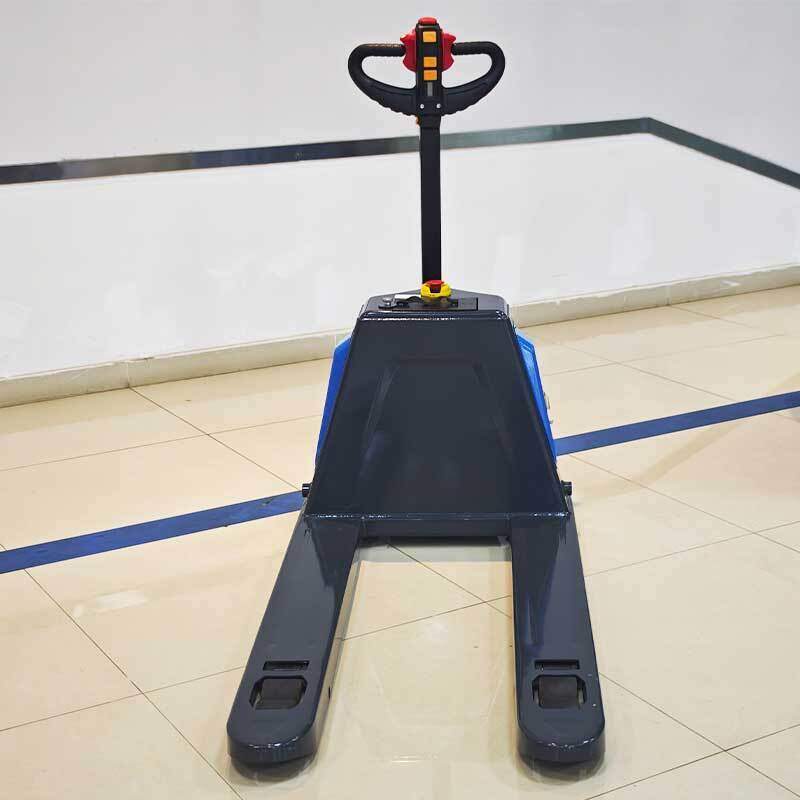
Electric forklifts have become one of the most widely applied material handling equipment in modern warehouse, manufacturing and logistics scenarios, thanks to their low noise, zero local emission and flexible operation features. Reasonable operation and regular maintenance can effectively extend the service life of the equipment, reduce unnecessary operation cost, and improve the overall throughput of the handling link.
Core Operation Safety Specifications
Before starting the equipment, operators need to conduct a full visual check of key components including the braking system, lifting mast, tire condition and power connection status, to rule out potential hidden dangers that may affect normal use. During the operation process, operators need to keep a proper viewing distance with the goods, avoid sharp steering or sudden braking under full load condition, and strictly control the load weight within the rated range marked on the equipment nameplate. When the equipment is running on the ramp, the goods side should face the upper direction of the ramp to prevent the goods from slipping off accidentally, and no over-speed driving is allowed in narrow operation channels.
Routine Daily Maintenance Best Practices
After the daily operation work is finished, operators should wipe the dust and debris attached to the equipment surface and the heat dissipation gaps of the power system in time, and check the remaining power level to arrange the charging plan reasonably. It is not recommended to leave the equipment in a state of zero power storage for a long time, which may cause irreversible damage to the core power components. Regularly check the lubrication condition of the movable connection points of the lifting mast, add appropriate amount of professional lubricant according to the use frequency, and arrange professional technical personnel to conduct periodic performance testing of the driving and braking system.
Energy Efficiency Optimization Tips
To give full play to the energy saving advantage of electric forklifts, operation managers can reasonably plan the handling route according to the warehouse layout, reduce unnecessary repeated driving paths, and arrange the handling tasks in different areas in a staggered way to avoid long-time queuing waiting of multiple equipment. Properly control the lifting height according to the actual stacking demand, avoid unnecessary high-lifting operation that will increase extra power consumption. These small operational adjustments can help the enterprise reduce the overall energy consumption of the material handling link in the long run.


