English
 Русский
 Français
 Português
 Español
 لالعربية


When choosing core material handling equipment for warehousing, manufacturing and logistics scenarios, many operation teams face the common choice between diesel forklifts and electric forklifts. The practical performance gap between the two types of equipment far exceeds the simple difference in power sources, and will directly affect long-term operating cost, operation experience and compliance of the whole site.
In terms of daily operating cost, diesel forklifts generate continuous expenditure on fuel consumption in daily use, and require regular maintenance for internal combustion engine parts, including oil replacement, filter element update and combustion system inspection. For electric forklifts, the power cost per unit of operation is much lower than the fuel cost of diesel equipment, and the motor and battery power structure has no vulnerable parts related to fuel combustion, which greatly reduces the frequency and cost of daily routine maintenance.
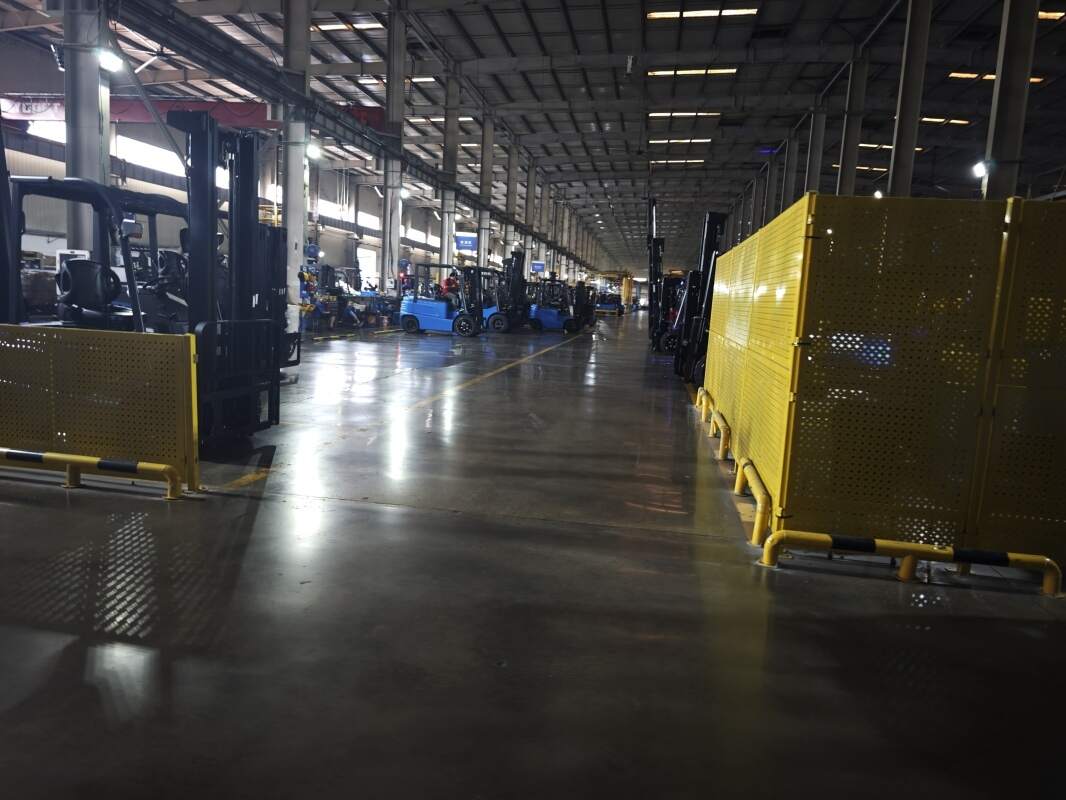
In terms of scenario adaptability, diesel forklifts can adapt to heavy load operation in open outdoor sites, but they will produce exhaust emission and loud running noise during operation. It is not suitable for closed indoor storage spaces such as food processing workshops, pharmaceutical warehouses and e-commerce sorting centers, where waste gas pollution and noise interference will affect on-site working environment and even violate health and safety regulations. Electric forklifts realize zero emission during whole operation, with low running noise, which can meet the use demands of almost all indoor operation scenarios, and can also stably complete outdoor operation tasks in conventional working conditions.
In terms of long-term policy compliance, current environmental protection regulations for non-road mobile machinery are becoming increasingly strict in many regions, and a large number of core logistics parks in urban areas have put forward clear restrictions on the access of high-emission fuel equipment. Electric forklifts can easily meet all current emission supervision requirements, without applying for additional special operation permits for fuel power equipment.
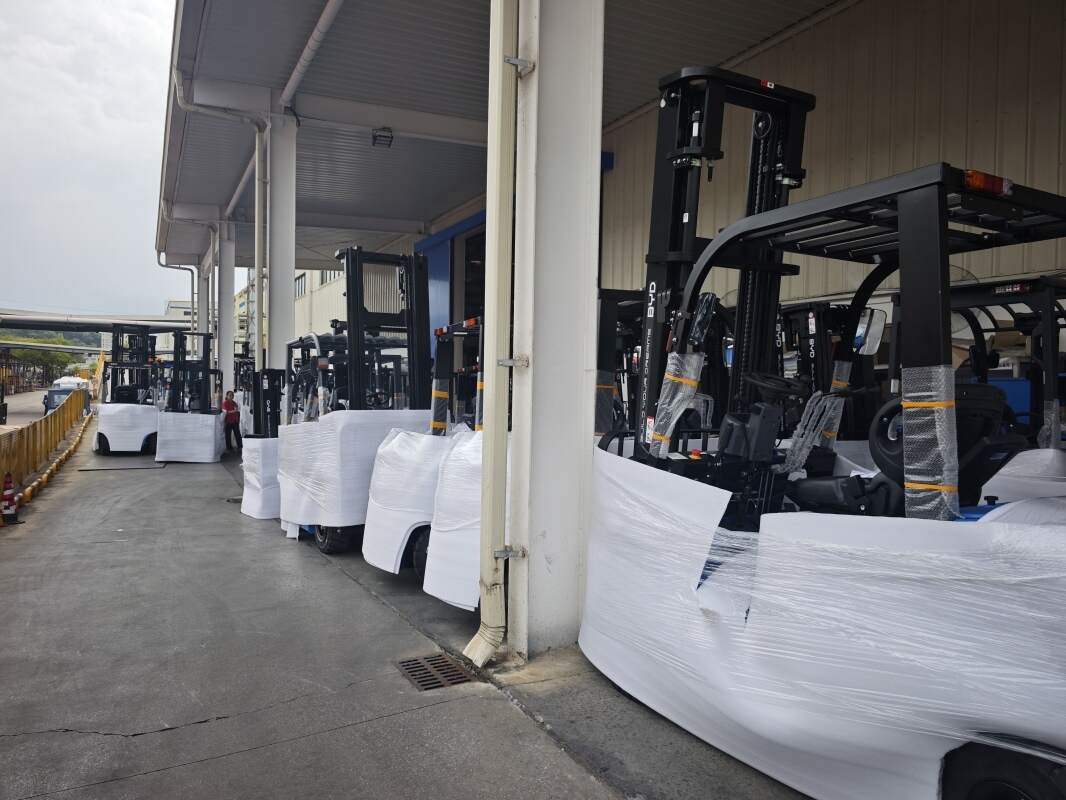
If your team is looking for stable, eco-friendly and cost-effective forklift solutions, we are Jian Shu New Energy, focusing on BYD electric forklifts. You can send emails to [email protected] for targeted consultation and solution support.