
 English
 Русский
 Français
 Português
 Español
 لالعربية

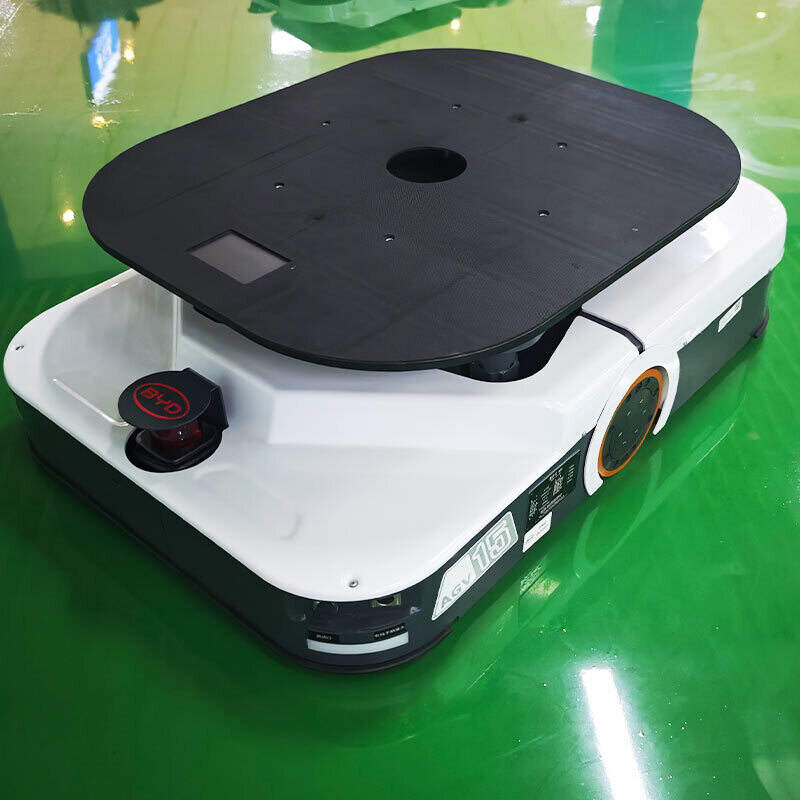
As low-carbon logistics and warehousing demands keep rising across global industrial sectors, electric forklifts have gradually become the mainstream option for indoor and enclosed working scenarios, replacing a large share of internal combustion counterparts in recent years. Many frontline operators and warehouse managers still lack systematic cognition of proper usage and maintenance rules, which may lead to unplanned downtime or unnecessary operation cost increase.
Core Functional Characteristics of Electric Forklifts for Material Handling
Different from fuel-powered equipment, electric forklifts rely on energy storage modules to provide power output, with no exhaust emission generated during normal working cycles. The whole unit runs at relatively low noise level, which is suitable for enclosed spaces such as food processing workshops, pharmaceutical storage areas and high-density e-commerce warehouses where strict environmental requirements are set. Most conventional models support adjustable operation modes to match different load weights, moving speeds and road surface conditions, which can satisfy diversified material handling demands from short-distance goods transshipment to high-latitude shelf stacking.
Routine Pre-operation Inspection Specifications
Before each daily shift, operators need to complete a series of basic checks to eliminate hidden risks in advance. The first step is to confirm the remaining power level of the energy storage module, and check the appearance of the connecting cables to make sure there is no visible damage or loose contact. Then operators need to test the flexibility of the steering system, braking system and lifting hydraulic structure, to ensure every component responds to operation commands smoothly. It is also necessary to check the tire surface condition, clear out the foreign objects stuck in the tread gaps, and confirm the surrounding working area is free of irrelevant obstacles or personnel before formal operation.
Practical Tips to Extend Unit Service Life
To keep stable performance for a long period, users need to arrange regular professional maintenance according to the actual operation intensity, instead of using the equipment continuously under overload state for a long time. After the daily work shift is finished, operators are suggested to park the equipment at the designated flat position, lower the lifting fork to contact the ground, and turn off the whole power supply system properly. For long-term storage scenario, users should keep the energy storage module at proper remaining power level, and place the whole unit in dry, ventilated space away from high temperature or high humidity environment. Following these reasonable operation rules can effectively reduce the occurrence of unexpected faults, and help users get balanced return from equipment investment.


