
 English
 Русский
 Français
 Português
 Español
 لالعربية

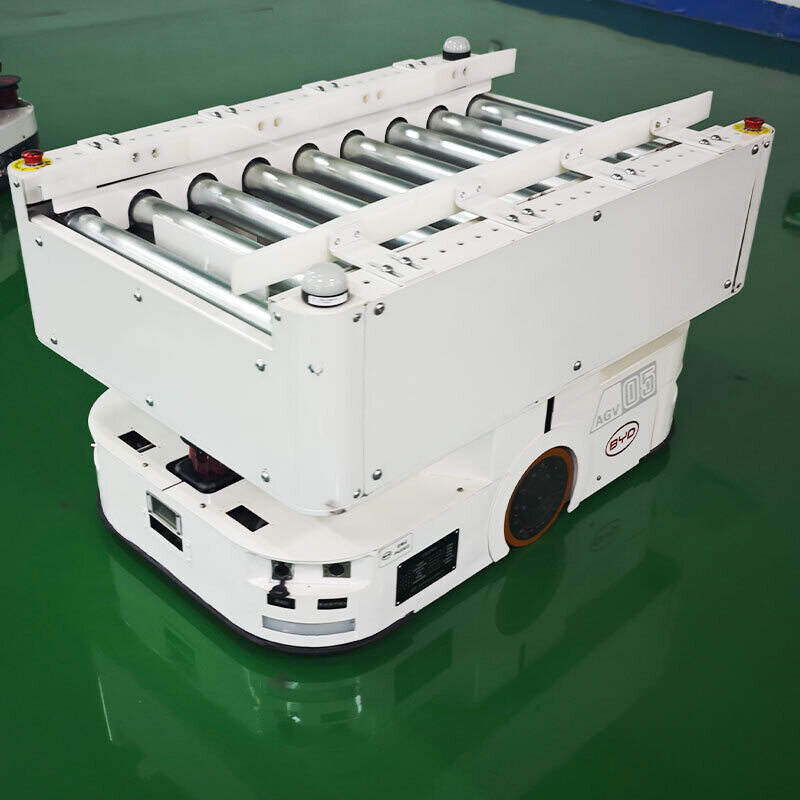
As the global logistics industry accelerates its transformation towards low-carbon and intelligent operation, electric forklifts have gradually become one of the most widely used material handling equipment in closed operation scenarios such as warehouses, manufacturing workshops and distribution centers. Different from traditional internal combustion forklifts, electric forklifts rely on power battery modules to provide power output, featuring lower operation noise, zero on-site exhaust emission and more flexible control performance, which puts forward different requirements for users’ operation habits and daily management norms.
Core Advantages of Electric Forklift in Common Application Scenarios
In daily warehouse handling work, electric forklifts can adapt to narrow aisle operation requirements more easily, and will not generate extra exhaust heat to interfere with the indoor working environment, which is very friendly for scenarios with strict environmental requirements such as food storage workshops and medical supply warehouses. For medium and short distance material handling within the site, the overall energy consumption cost of electric forklifts per unit operation hour is lower than that of fuel-powered equipment under the same load level, and it will not produce additional fuel storage and management risks on the work site, which can reduce the hidden safety hazards of the working environment to a certain extent.
Standardized Operation Norms for Daily Use
Before each shift of operation, operators need to check the remaining power level of the equipment, the flexibility of the steering system and the wear status of the tire surface first, to avoid starting operation when the power is too low, which may lead to sudden power failure in the middle of high-place operation. During the operation process, operators should control the lifting and descending speed of the goods fork stably, avoid sharp steering and sudden braking actions on the wet and slippery site, and keep the center of gravity of the loaded goods within the allowable range of the equipment load to reduce the risk of side tipping. Operators should also reserve enough safe distance from surrounding shelves and personnel during movement, to avoid unnecessary collision accidents.
Key Points of Conventional Daily Maintenance
After the daily operation is completed, users need to arrange professional personnel to clean the dust and debris accumulated on the surface of the equipment, check the connection tightness of the power battery interface, and charge the equipment according to the specified operation procedures to extend the overall service life of the battery module. Regular weekly inspection should cover the lubrication status of the transmission parts, the sensitivity of the safety protection alarm device and the wear degree of the goods fork, to eliminate potential hidden troubles in daily operation in time. Reasonable daily maintenance can effectively reduce the frequency of unexpected equipment failure, and ensure the continuous and stable operation of the on-site material handling process.


