
 English
 Русский
 Français
 Português
 Español
 لالعربية

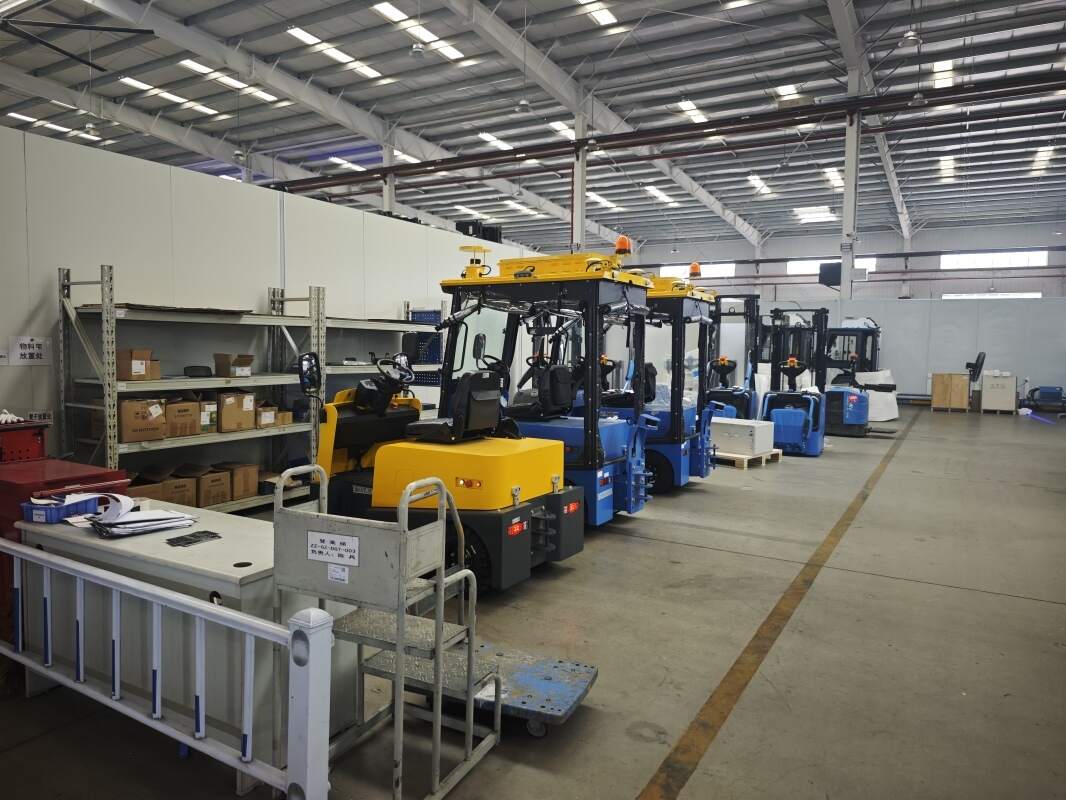
As the modern logistics and warehouse industry keeps developing, electric forklifts have become one of the most widely used material handling tools in indoor and enclosed operation scenarios in recent years. Unlike traditional fuel-powered forklifts, this type of equipment runs on rechargeable battery packs, and its actual operation effect and service life are closely related to correct operation and standardized daily management.
Core Performance Characteristics of Electric Forklifts
Electric forklifts produce no exhaust emission during the whole operation process, which can effectively avoid air pollution in closed warehouse spaces, and reduce noise interference to surrounding workers and adjacent office areas. Most of the current mainstream models are designed with compact body structure, which can flexibly pass through narrow warehouse aisles, and complete stacking, handling and loading and unloading operations of goods within the rated load range. The energy consumption cost per hour of operation is relatively lower than that of fuel-powered counterparts, which helps logistics operators control long-term operation expenditure reasonably.
Standard Operation Specifications for Daily Use
Before starting the equipment, operators need to check the residual power of the battery, the flexibility of the lifting and steering system, and the sensitivity of the brake parts first, and confirm there is no obstacle around the operation area before formal driving. During the operation process, operators should avoid overloading the equipment beyond the rated load limit, and it is not allowed to press the lifting foot of the goods to lift people to work at height. When the equipment is not in use, the fork should be put down to the lowest position, the power switch should be turned off, and the equipment should be parked in the designated fixed area to avoid blocking the passage of logistics channels.
Scientific Maintenance Suggestions to Extend Service Life
For the battery pack part of the electric forklift, operators should follow the corresponding charging rules provided by the manufacturer, and avoid long-term over-discharging or over-charging behavior that may cause damage to the battery activity. The dust and debris accumulated on the body surface and ventilation gaps should be cleaned regularly, and the lubricating oil should be added to the movable connection parts of the transmission and steering system on schedule to keep the system running smoothly. It is recommended to arrange professional technicians to conduct a comprehensive safety inspection of the whole machine every 3 to 6 months, to find and solve potential small faults in time, so as to ensure the continuous stable operation of the equipment for a long time.


