
 English
 Русский
 Français
 Português
 Español
 لالعربية

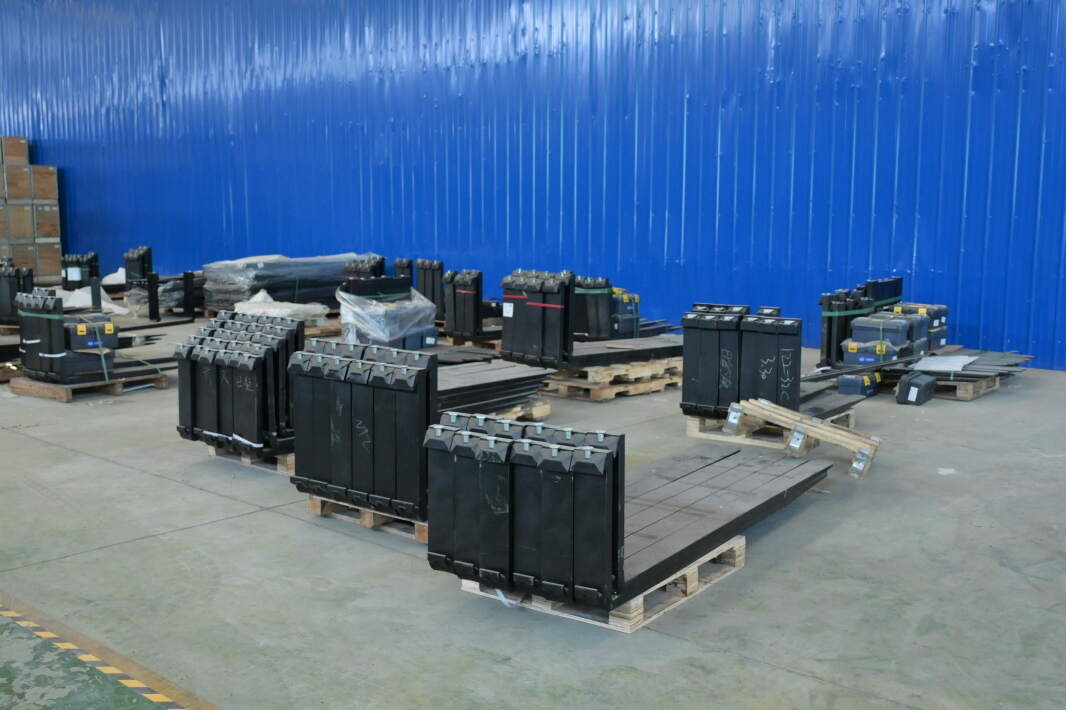
Against the backdrop of rising global demand for low-carbon industrial logistics, electric forklifts have become a core equipment option for most warehousing, manufacturing and distribution scenarios in recent years. Unlike traditional internal combustion counterparts, these battery-powered units operate with lower noise levels and no on-site exhaust emissions, which fit the evolving requirements of enclosed working environments such as food storage and pharmaceutical warehouses.
Core Performance Features of Electric Forklifts
Most conventional electric forklift models adopt modular power systems, with adjustable output modes that can match different load weight and moving speed demands. The whole machine has fewer wearing components connected to the power assembly, which effectively cuts down the frequency of unexpected breakdowns during high-intensity continuous shifts. For teams that arrange multi-shift work schedules, fast replacement of supporting battery packs can reduce the idle waiting time to a very limited range, without affecting the continuity of daily material handling tasks. Most models are also designed with a compact body structure, which can pass through narrow warehouse aisles smoothly and make full use of limited storage space.
Standardized Operation Best Practices
Operators need to complete systematic pre-job assessment before formally taking charge of the electric forklift, to get familiar with the distribution of control components, load limit parameters and inherent turning radius of the specific model. Before each shift starts, it is necessary to check the remaining battery power, the flexibility of lifting and tilting mechanisms, and the sensitivity of the braking system to eliminate hidden safety hazards in advance. During the operation process, operators should avoid sudden acceleration or sudden braking as much as possible, and keep a safe distance from surrounding staff, stacked goods and site obstacles, to reduce the probability of accidental collision. Operators are also advised to adjust the travel speed according to different ground conditions, to guarantee stable transportation of goods.
Daily Maintenance and Cost Control Suggestions
Regular maintenance work for electric forklifts mainly focuses on the health state detection of the battery pack, the cleaning of dust accumulation on the motor surface, and the lubrication treatment of movable connection parts. Operators should follow the official charging specification requirements when supplementing power, avoid over-discharging the battery to too low a residual capacity, and place the battery in a dry and ventilated environment for storage when the equipment is not used for a long time. Proper daily maintenance can extend the overall service life of the equipment, and effectively reduce the long-term comprehensive operation cost for the material handling team.


