
 English
 Русский
 Français
 Português
 Español
 لالعربية

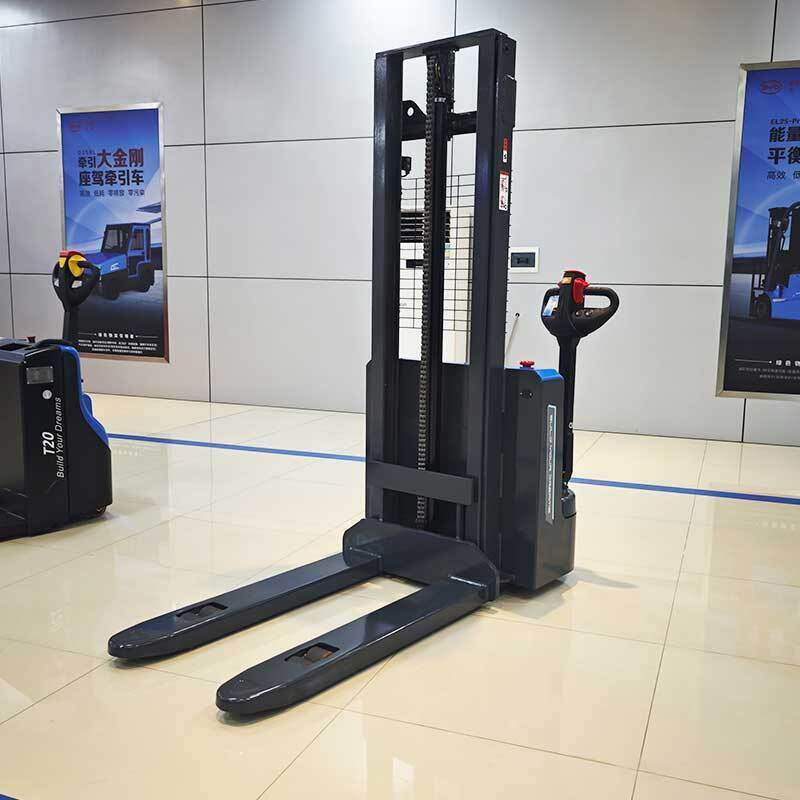
Against the general trend of low-carbon logistics development, electric forklifts have gradually become the mainstream material handling equipment in most indoor warehousing, manufacturing and retail distribution scenarios. Compared with traditional internal combustion power counterparts, they show unique application value in multiple dimensions, and relevant operators can get better use experience by mastering correct use logic.
Core Application Advantages of Electric Forklifts
Different from fuel-powered equipment that generates exhaust gas during operation, electric forklifts produce no harmful emissions in the whole working process, which can meet the environmental control requirements of closed warehouse spaces, food and pharmaceutical storage areas, and other scenarios with strict air quality standards. The low-noise driving system will not cause continuous noise interference to surrounding staff in the narrow working space, and the vibration amplitude during operation is relatively small, which can reduce the wear of transported fragile goods to a certain extent. In terms of long-term operating cost, its energy consumption cost per working hour is significantly lower than that of internal combustion forklifts, which can help enterprises control the daily expenditure of material handling links in a relatively stable range.
Standard Daily Operation Specifications
All operators of electric forklifts need to receive corresponding professional operation training before taking up the post, to be familiar with the basic performance parameters and operation logic of the equipment. Before each formal operation, it is necessary to complete a pre-shift inspection, including checking the remaining power of the battery, the sensitivity of the braking system, the wear degree of the fork and the smoothness of the steering structure. During the operation, operators should avoid sharp steering under heavy load, keep low speed when driving on ramps, and strictly prohibit personnel from standing or walking under the lifting fork. After the daily operation is completed, the equipment should be parked in the designated safe area, the hand brake should be pulled up, the fork should be lowered to the horizontal position close to the ground, and the power supply should be cut off.
Scientific Routine Maintenance Points
The power battery is the core component of electric forklifts, and staff need to regularly check the battery health status, avoid over-discharging the equipment to the low power limit for a long time, and also avoid continuous overcharging beyond the specified time range. The surface of the motor and line joints should be cleaned of accumulated dust regularly to prevent poor contact caused by dust accumulation and affect the normal operation of the circuit. For the hydraulic lifting system, staff should regularly check for oil leakage, and replace the hydraulic oil according to the specified cycle. Regular inspection of wear conditions of vulnerable parts such as solid tires and operating handles can help eliminate potential small faults in time, and effectively extend the overall service life of the equipment.


