
 English
 Русский
 Français
 Português
 Español
 لالعربية

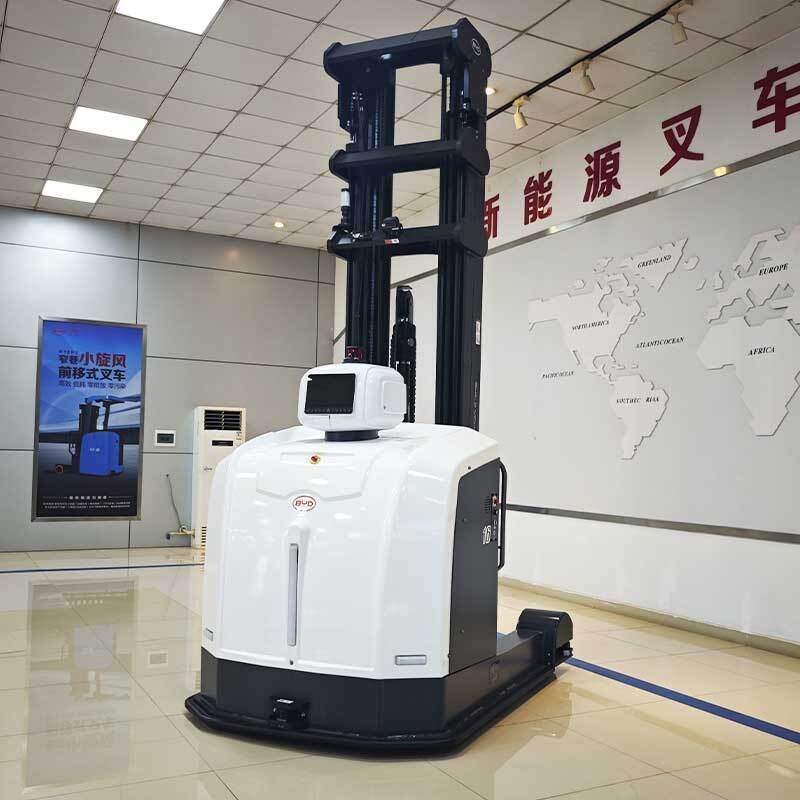
As the global warehousing and logistics industry gradually shifts to low-carbon, low-noise operation modes, electric forklifts have become one of the most popular material handling equipment in indoor closed working environments. A large number of frontline operators and warehouse managers are looking for systematic, practical professional knowledge to extend the overall service life of equipment, improve work efficiency and reduce potential safety risks during daily use.
Core Standardized Operation Norms
Before starting the equipment for daily work, operators need to complete a full range of visual inspection for tire condition, brake sensitivity, hydraulic oil pipe sealing state and remaining battery power, and carry out 1 to 2 minutes of idle test to confirm all functional modules run normally. During the operation process, operators need to keep the actual load weight within the rated load range, avoid sharp turning and sudden braking when carrying heavy goods, and maintain a sufficient safe distance from surrounding personnel, shelves and other obstacles to prevent accidental collision. It is not recommended to use electric forklifts to transport unbound unstable goods, or work in environments with serious water accumulation and corrosive gas, which may cause irreversible damage to the internal electrical components.
Routine Maintenance Key Points
The battery module is the core component of electric forklifts, so operators should avoid over-discharging and over-charging in daily application, and wipe the battery surface and connecting interface regularly to avoid dust accumulation leading to poor power contact. After finishing the daily shift, the equipment should be parked in the designated ventilated and dry area, lower the lifting gantry to the horizontal position, and turn off the total power supply to avoid unnecessary idle power consumption. The wearing parts including driving wheels, transmission belts and hydraulic sealing rings should be checked on a regular schedule according to the actual use frequency, and replaced in time when obvious wear is detected, so as to prevent minor faults from expanding into major maintenance problems that disrupt normal work arrangement.
Scenario-based Efficiency Optimization Tips
In narrow aisle warehousing scenarios, operators can adjust the driving speed to a low level to ensure the accuracy of high-position goods access, while in outdoor flat and open operation areas, it is allowed to appropriately raise the driving speed within the safety specification to promote goods turnover efficiency. Reasonable matching of the maximum lifting height with the actual load weight can also effectively reduce the loss of the motor and hydraulic system, to obtain more stable long-term operation performance. Standardized operation can also cut down the overall energy consumption of the equipment, bringing more obvious cost advantages for long-term continuous use.


