
 English
 Русский
 Français
 Português
 Español
 لالعربية

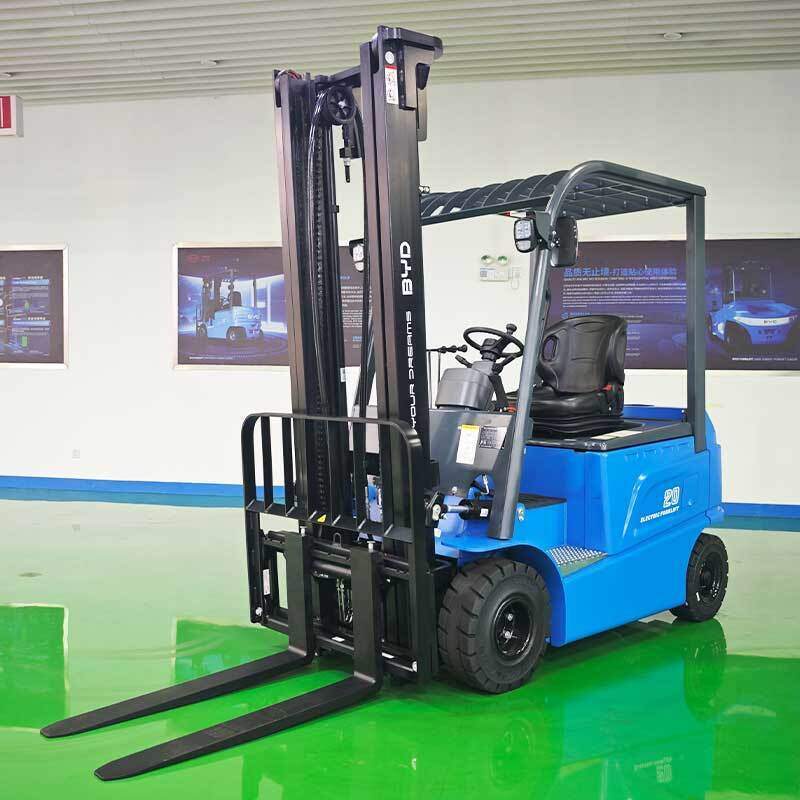
As the low-carbon logistics development trend continues to spread across the global industrial sector, electric forklifts have become one of the most widely applied material handling solutions for warehouse and factory scenarios in recent years. Mastering professional knowledge related to electric forklift use and management can help relevant practitioners make full use of the equipment value while avoiding unnecessary operation risks.
Core Performance Characteristics of Electric Forklifts
Unlike fuel-powered internal combustion forklifts, electric forklifts rely on stored electrical energy to provide power output, which generates far less noise and exhaust emission during normal operation. The whole structure usually contains fewer moving friction parts, so the overall operation vibration is relatively mild, which can offer a more comfortable operating experience for the staff who need to drive the equipment for long hours. Most of the current electric forklift models can adjust the power output status according to the actual load weight, so as to maintain relatively stable energy consumption level in different working conditions.
Standard Operation Guidelines for Daily Use
Before starting the equipment every shift, operators need to complete a series of pre-inspection work, including checking the remaining power level of the battery, confirming the flexibility of the steering and lifting control system, and testing the sensitivity of all safety protection components. During the driving process, operators need to keep the running speed within the safe range matching the site condition, avoid sharp turning and sudden brake on the damp or uneven road surface, and keep proper safety distance with surrounding personnel and stacked goods. It is not recommended to operate the electric forklift with overload for a long time, which may cause extra wear to the lifting structure and power system.
Routine Maintenance and Management Points
Regular cleaning work should be arranged after each working cycle, to remove the accumulated dust, sundries and residual goods on the surface of the equipment, especially the heat dissipation area of the power system and the battery surface. For the battery part, operators should follow the corresponding charging specifications to complete the charging process, avoid over-discharging the battery to extremely low power level for a long time, and arrange professional personnel to check the battery connector status regularly. The regular inspection of the braking system, tire wear status and hydraulic lifting component also should be arranged on a fixed cycle, so as to find hidden problems in the early stage. Following these reasonable operation and management rules can effectively extend the service life of the equipment, reduce long-term comprehensive operation cost, and create higher value for daily material handling work.


