
 English
 Русский
 Français
 Português
 Español
 لالعربية


As low-carbon logistics development gains steady traction across industrial scenarios, electric material handlers have become core supporting equipment for warehouses, ports, manufacturing workshops and cargo distribution centers, with advantages of zero local emissions, low operating noise and lower long-term operation cost compared with traditional internal combustion counterparts. This field guide is compiled for frontline operators and facility managers, to help users get stable and efficient performance from their electric material handlers with standard, compliant usage rules.
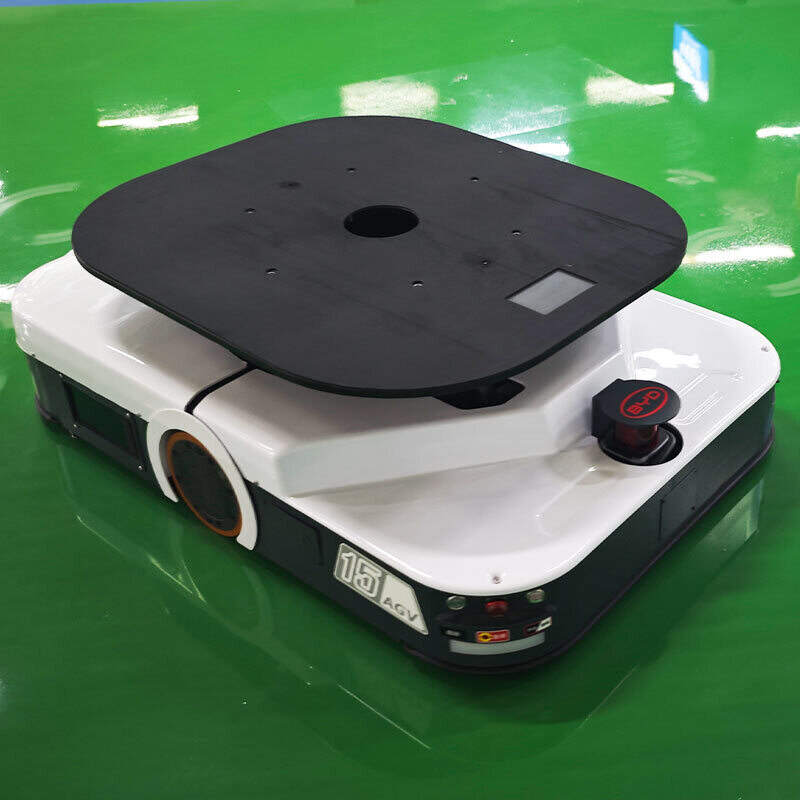
The first core part of this guide covers pre-operation verification process. Before each shift starts, operators need to finish a full set of simple checks to eliminate potential hidden risks: first confirm the remaining battery level meets the estimated work demand for the whole shift, then test the braking system, lifting mechanism and steering response to make sure no lag or abnormal resistance exists, next check all warning lights, sound prompts and safety protection components are in normal working condition, and clear the accumulated sundries on the walking wheel contact surface. Never operate an electric material handler with confirmed abnormal parts, to avoid unnecessary safety incidents.
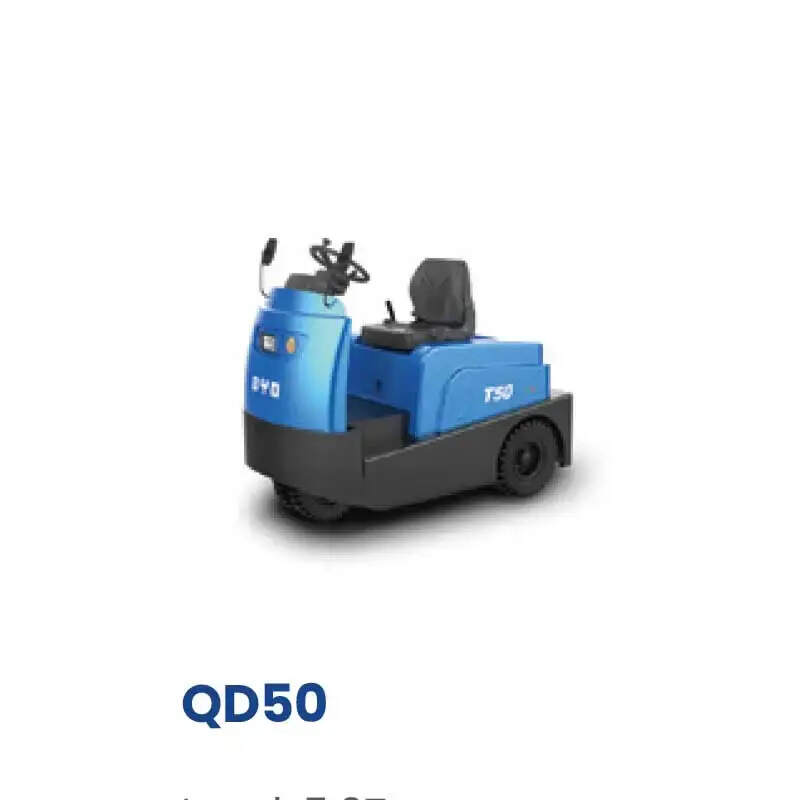
The second part introduces standard operating specifications. During the whole operation process, operators should strictly follow the rated load limit marked on the equipment nameplate, do not carry over-weight or unbalanced stacked goods that may fall off during movement. Slow down significantly when turning, and sound the prompt when approaching crossing areas with dense pedestrian flow. When driving on sloped surfaces, keep the equipment moving in straight alignment with the slope direction, never drive crosswise on the ramp to avoid sideslip. Leave enough safety distance with surrounding shelves, stacked goods and other operation equipment when moving in narrow warehouse aisles.
The third part shares practical daily maintenance guidelines. Proper routine maintenance can effectively extend the service life of electric material handlers. After finishing daily operation, wipe the contact points of the battery connector to keep it clean and dry, avoid dust and liquid accumulation that may affect charging efficiency. Check the wear degree of walking tires on a regular basis, replace the tires in time when the anti-slip texture wears to the specified warning line. For long-term idle equipment, park it in a ventilated, dry and shaded area, keep the battery level at medium state instead of full charge or zero power storage, which can protect the battery performance effectively.
This practical guide is provided by Jianshu New Energy, we focus on BYD electric forklifts, and can provide matched electric material handling solutions for different operation scenarios. If you have any demand for product consultation, technical support or scenario customization, you can send email to [email protected] for further communication.


