
 English
 Русский
 Français
 Português
 Español
 لالعربية

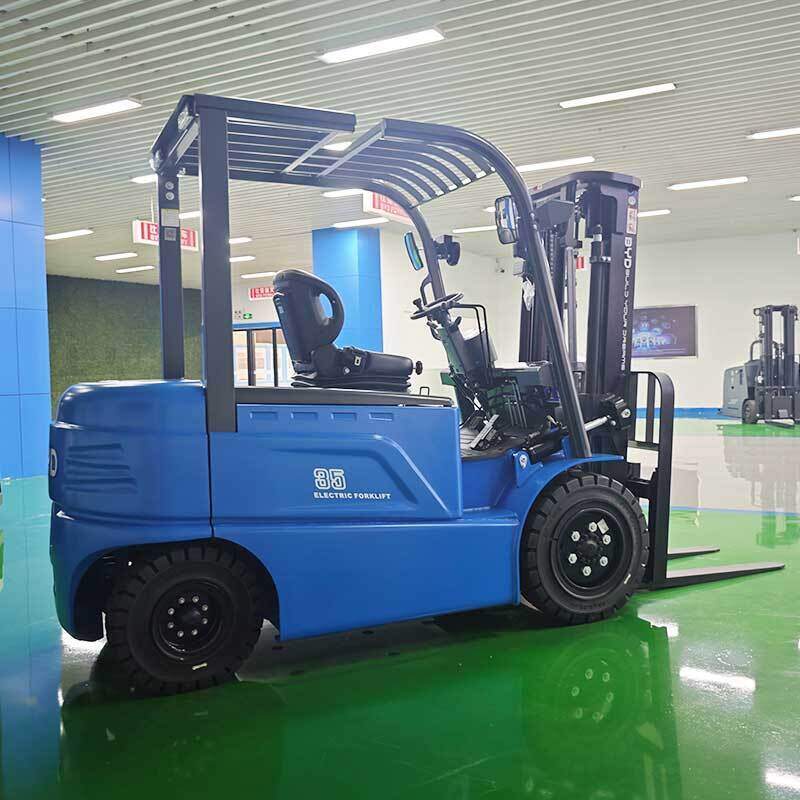
As the low-carbon transformation of the logistics and industrial manufacturing sectors accelerates, electric forklifts have become a core material handling equipment for most indoor warehousing, manufacturing workshop and light logistics scenarios. Many frontline practitioners and equipment managers still lack systematic cognition of its full-cycle management, which may cause unnecessary equipment wear and hidden safety risks in daily operation.
Core Standardized Operation Specifications for Daily Use
Before each startup, operators need to complete basic item checks first, including confirming the flexibility of the braking system, the sealing status of hydraulic pipelines, the remaining battery level and the cleanliness of the operation control handle. In the operation process, avoid frequent sharp acceleration and sudden braking that exceed the conventional load, do not carry overweight goods beyond the rated load range for a long time, and do not operate the equipment on slopes with excessive gradient for a long time to avoid extra loss of power components.
Routine Maintenance Measures for Extended Service Life
Daily maintenance work can be divided into daily post-operation checks and regular periodic maintenance. After each shift, operators need to clean up the dust, sundries and residual goods debris attached to the body surface, especially the heat dissipation area of the power assembly, to avoid affecting the normal heat dissipation efficiency. During regular maintenance, check the wear degree of walking tires, the tightness of transmission parts and the health status of the battery pack according to the operation manual, avoid long-term over-discharge of the battery, and arrange the charging plan reasonably according to the actual operation intensity.
Energy Efficiency Optimization Strategies for Different Scenarios
Aiming at different application scenarios, targeted adjustment of operation habits can effectively reduce the comprehensive energy consumption of equipment. In the high-frequency short-distance handling scenario of e-commerce warehouses, operation teams can reasonably plan the operation route in advance, reduce ineffective empty driving trips, and improve the single-shift operation efficiency. In low-temperature operation environments, arrange short-time preheating of power components before full-load operation, which can reduce the unnecessary power loss in the initial start-up stage, bringing more stable operation performance.
Long-term Safety Management Precautions
Enterprises can arrange regular skill training for relevant operators, to help them get familiar with the performance boundary and operation scope of the equipment, and avoid unauthorized modification of the internal power settings without professional guidance. After the daily operation is finished, park the equipment in the specified ventilated storage area, pull up the hand brake, lower the fork to the ground completely, and disconnect the main power switch, which can effectively reduce the hidden safety risks during idle periods. Forming a complete operation and management system can give full play to the application value of electric forklifts, and support the stable operation of the whole material handling link.


