
 English
 简体中文
简体中文 Русский
 Français
 Português
 Español

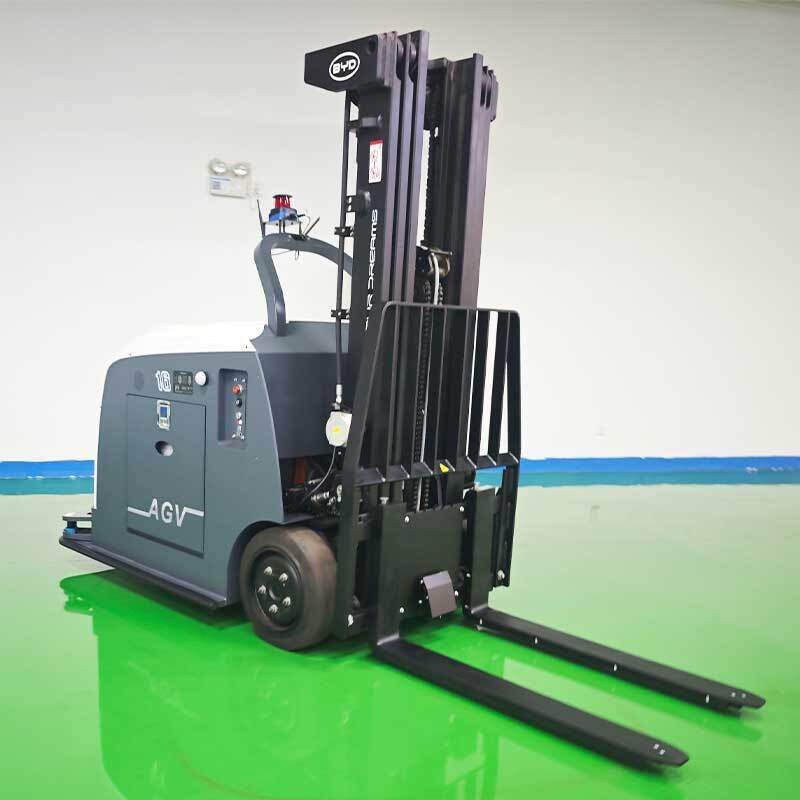
As low-carbon material handling solutions gain wider adoption across industrial storage scenarios, electric forklifts have gradually become one of the most common workhorses for daily cargo movement tasks. Many frontline operators and warehouse managers seek practical, actionable guidance to maximize the value of this equipment without unnecessary additional operation costs.
Core Pre-Operation Inspection Protocols
Before each formal shift, operators can complete a set of simple checks in less than 5 minutes to avoid unexpected downtime. The first step is to examine the power level of the energy storage unit, confirm it can support the full range of scheduled tasks for the shift without sudden power loss mid-operation. Next, check the condition of load forks, wheel assemblies, and brake systems to make sure no visible deformation or abnormal wear exists that may affect operational safety. Operators can also test the lifting and tilting functions at no load for 2 to 3 cycles to confirm all hydraulic components respond smoothly.
Routine Maintenance Best Practices for Extended Service Life
Regular, standardized daily maintenance helps reduce long-term equipment failure rates effectively. Operators should wipe clean the surface of the equipment body and key contact parts of the control panel after each shift, to avoid accumulated dust or cargo residue entering the internal electrical components. For the energy storage system, follow the official recommended charging specifications, avoid long-term full load storage or complete power depletion before charging, which can help maintain stable energy storage performance over longer usage periods. The running tracks of the lifting mast also need regular cleaning and appropriate lubrication, to reduce friction loss during frequent lifting operations.
Operational Habits to Boost Overall Work Efficiency
Cultivating correct, stable operational habits not only reduces equipment wear, but also improves the overall throughput of the warehouse material handling process. Operators should plan the moving route in advance before moving heavy loads, avoid sharp turns or sudden acceleration when carrying loads at high positions, to reduce the risk of cargo tipping and extra load on the vehicle structure. It is also advisable to match the load weight strictly with the rated load capacity of the equipment, do not attempt to carry overweight cargo even for short-distance movement, to prevent extra loss of key components. When all the above guidance is implemented consistently, teams can get more stable operational performance from their electric forklift fleets, and create a safer, more efficient working environment for all on-site warehouse staff.


