
 English
 简体中文
 Русский
 Français
 Português
 Español


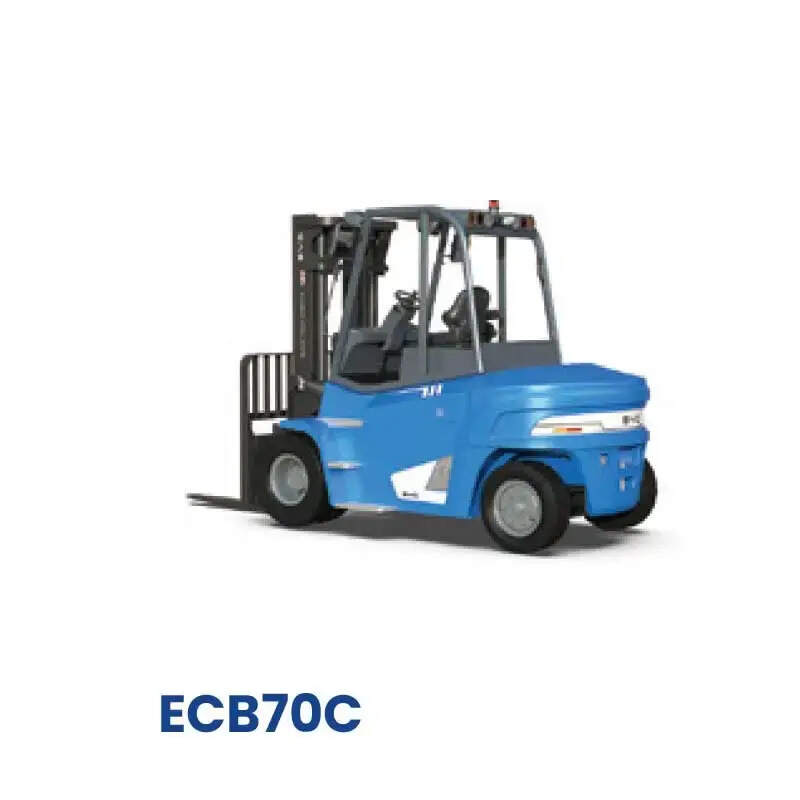
As the low-carbon logistics and industrial warehousing sectors develop rapidly, electric forklifts have become one of the most widely applied material handling equipment across multiple work scenarios, and mastering proper use and management methods can bring tangible benefits for operation teams.
Core Performance Characteristics of Electric Forklifts
Different from fuel-powered handling equipment, electric forklifts rely on power battery systems to provide driving and lifting power, with no exhaust emission during operation, relatively low operating noise, and relatively gentle operation response, which can adapt to closed indoor operation scenarios with high requirements for environmental indicators. Most existing products are designed with compact body structures, which can flexibly pass through narrow warehouse aisles to complete cargo stacking, loading and unloading, and short-distance transfer work.
Standardized Operation Guidance for Daily Use
Before starting each shift, operators need to check the remaining power status, braking sensitivity, lifting mechanism flexibility and tire wear condition first, and confirm that no abnormal hidden dangers exist before formal operation. During the operation process, the load weight should be controlled within the rated load range of the equipment, avoid sharp turning and sudden braking actions on sloped roads, and do not allow personnel to stand under the lifting forks for observation or auxiliary operations, so as to avoid unnecessary safety risks.
Routine Maintenance Tips for Long-term Stable Operation
After each daily use, the equipment should be parked in a pre-planned designated area, the power supply should be cut off in time, and the surface dust and cargo residues attached to the body should be cleaned. The battery pack should be charged according to the specified operation steps, and the full-power state should be maintained for a long time as little as possible to avoid affecting the overall cycle life of the power unit. Regular professional inspection of the electrical connection points and hydraulic system sealing performance can reduce the probability of unexpected failures in the subsequent operation process.
Usage Optimization Suggestions for Different Scenarios
In cold and low temperature working environments, preheating treatment of the power system can be properly carried out before formal operation to ensure that the equipment can exert stable power performance. For high-frequency continuous operation scenarios, reasonable shift allocation can be arranged to cooperate with multi-battery cycle replacement, which can effectively improve the overall operation efficiency without delaying the normal progress of handling tasks.


