
 English
 简体中文
简体中文 Русский
 Français
 Português
 Español

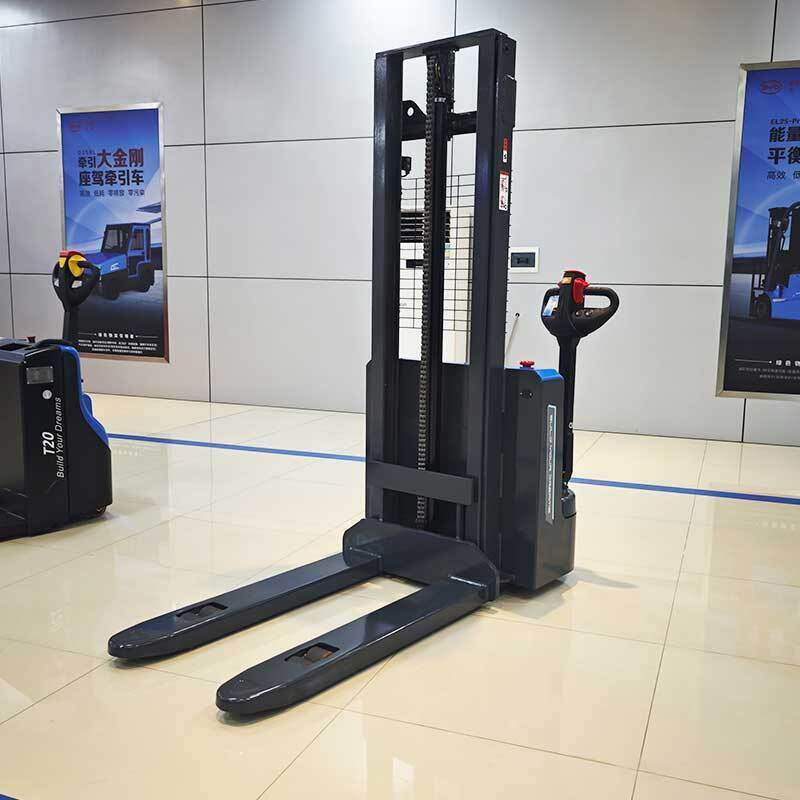
As the logistics and warehousing industry gradually shifts focus to low-carbon operation and cost control, electric forklifts have become one of the most widely used material handling equipment for indoor and enclosed working scenarios. Proper application and regular maintenance can help operators maximize the value of such equipment while lowering long-term operating costs.
Core Advantages of Modern Electric Forklifts
Unlike internal combustion powered counterparts, modern electric forklifts produce no exhaust emissions during operation, which meets the air quality requirements of enclosed warehouse, food processing and pharmaceutical production workshops. Most models run at relatively low operation noise levels, creating a more comfortable working environment for on-site staff working for long consecutive hours. The power system of electric forklifts usually has fewer wearing parts, which cuts down the frequency of spare parts replacement when compared with fuel-powered equipment under the same working intensity.
Routine Maintenance Points for Extended Service Life
Regular maintenance work does not require overly complicated operations, most of which can be completed by trained on-site management staff. Operators need to check the remaining power level of the power battery before each shift, and avoid deep discharge that drops the battery level below the manufacturer’s recommended threshold. It is also necessary to wipe the dust and debris accumulated on the surface of the motor and heat dissipation components on a weekly basis, to prevent excessive dust accumulation from affecting the normal heat dissipation effect. The regular inspection of brake sensitivity, tire wear condition and lifting chain tightness should be arranged every two weeks, to eliminate hidden risks in early stage.
Operation Specification to Reduce Operational Risks
Before formal operation, new operators need to complete systematic skill training to get familiar with the load capacity mark of different equipment models, and avoid overloading operation that may cause unexpected tilting of the equipment. When driving in narrow warehouse aisles, operators need to control the running speed below the safe value, and give way to passing on-site staff actively. When stacking goods at high positions, operators should adjust the mast angle to a proper state to prevent goods from sliding down accidentally. After the daily operation is finished, the equipment should be parked at the designated area, with the lifting fork lowered to the lowest position and the power supply cut off properly. Following the above practical guidelines can help enterprises improve the comprehensive operation efficiency of electric forklift fleets, and create a more stable and safe working environment for all on-site material handling activities.


