
 English
 简体中文
简体中文 Русский
 Français
 Português
 Español

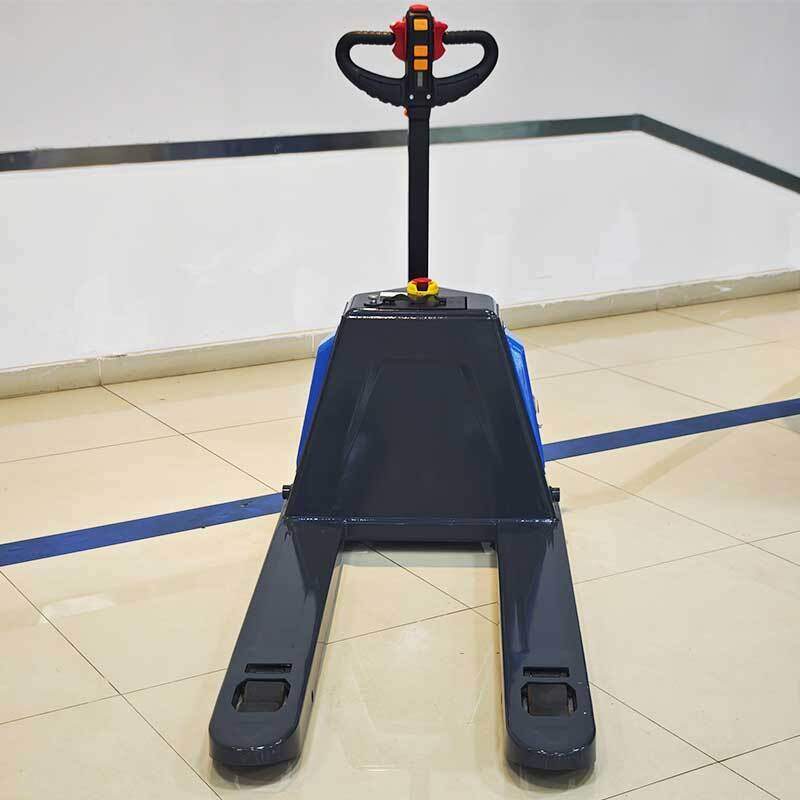
Long-duration repetitive operation of electric forklifts easily leads to cumulative physical and mental fatigue for frontline operators, which may result in reduced concentration, slower reaction to unexpected conditions, and even increased probability of improper operation. Scientific and reasonable rotation planning is one of the most cost-effective methods to solve this common pain point in daily warehouse operation, without requiring large additional investment in equipment or personnel.
First, it is necessary to complete the workload grading of all related posts before making rotation rules. You can record the physical consumption, mental attention requirement and operation intensity of each post that matches forklift operators, including full-time electric forklift driving, goods pre-sorting on the staging area, storage location information checking, and loading and unloading site coordination. All rotation arrangements must be based on the premise that the operator holds corresponding operation qualifications for the post, no one is arranged to engage in work beyond their skill scope. It is not recommended to arrange operators to stay on the high-intensity forklift driving post for more than 2 consecutive hours, and the subsequent rotated low-intensity post can give operators sufficient rest buffer without affecting the normal operation rhythm of the whole site.
Second, the rotation schedule should be adjusted dynamically according to the peak and trough of daily operation. For the time period with centralized heavy handling tasks, you can arrange 2 to 3 rounds of short cycle rotation to avoid the same group of operators staying in high-load state for the whole peak hour. For the low peak period with less handling tasks, you can appropriately extend the rotation interval, and arrange operators to do necessary equipment routine inspection work during the rotation gap, which also helps to improve the daily maintenance status of electric forklifts.
In the process of implementing rotation planning, you should also collect regular feedback from operators, adjust the details of the plan according to the actual physical condition of different personnel, avoid rigid one-size-fits-all arrangement. A well-executed rotation mechanism can effectively reduce the long-term fatigue of electric forklift operators, reduce the occurrence of operational errors, lower the hidden safety risks in the warehouse, and also help to improve the overall job satisfaction of frontline employees, reduce unnecessary personnel turnover, and create more stable operation benefits for the whole material handling system.


