
 English
 简体中文
 Русский
 Français
 Português
 Español


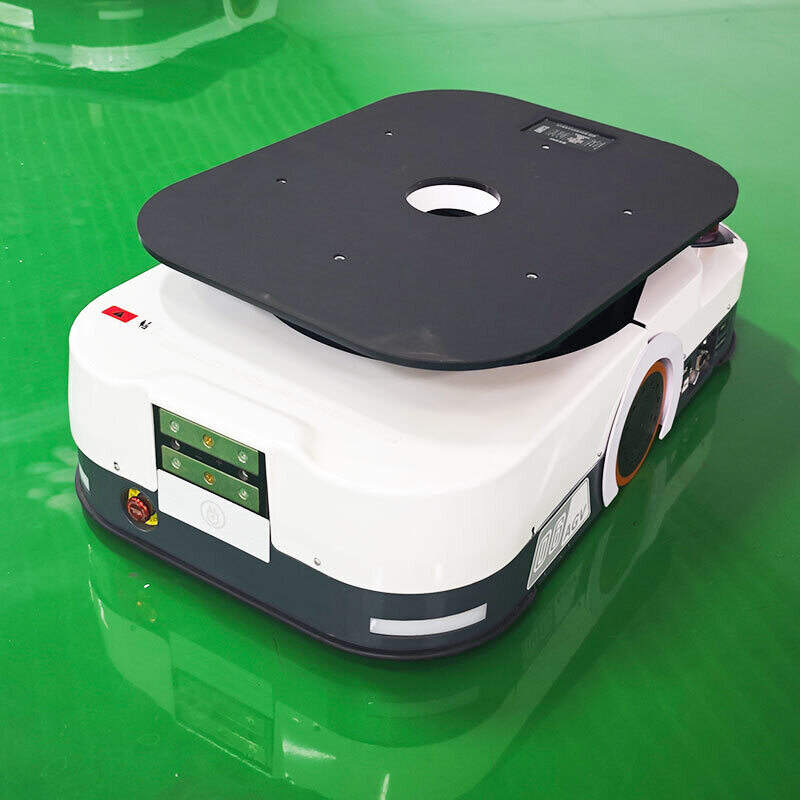
Against the growing trend of low-carbon and safe logistics operation, electric forklifts have become one of the most widely used material handling equipment in indoor working scenarios, with features of low noise, zero local emission and easy operation. It is necessary for relevant practitioners to master core use specifications and maintenance skills to give full play to the equipment performance in daily operations.
Core Applicable Scenarios of Electric Forklifts
Most electric forklifts are designed for flat and solid working surfaces, which fit the demands of closed warehouses, cold storage, food processing workshops and pharmaceutical production sites that have strict requirements for exhaust emission and working noise. When deploying electric forklifts in corresponding scenarios, operation teams need to match the maximum load weight and lifting height parameters with actual working demands, to avoid improper deployment that causes extra consumption of equipment components, and reduce unnecessary operation risks in special working environments.
Standard Operation Rules for Daily Use
All operators need to receive systematic pre-job training to master basic operation logic and safety precautions. Before each shift, staff need to check the remaining battery power, brake sensitivity, lifting chain tightness and tire condition, to eliminate hidden risks before operation. During working hours, operators should avoid sharp steering on slopes, prevent overloading beyond rated parameters, and cut off the main power supply in time if they leave the operating position for a long time, to avoid accidental power consumption or misoperation by unrelated personnel.
Rational Maintenance Strategies for Long-term Stable Operation
Regular scientific maintenance helps reduce long-term operating cost and extend the whole service cycle of electric forklifts. Operation teams can arrange regular cleaning of battery connection terminals, check the sealing performance of hydraulic oil pipelines, add lubricant for movable parts on schedule, and arrange professional personnel to conduct overall inspection of electric circuits and power systems according to official guidelines, to avoid unnecessary component damage caused by improper maintenance. Following reasonable use and maintenance specifications can help enterprises give full play to the performance of electric forklifts, and bring stable and efficient support for daily material handling work.


