
 English
 简体中文
 Русский
 Français
 Português
 Español


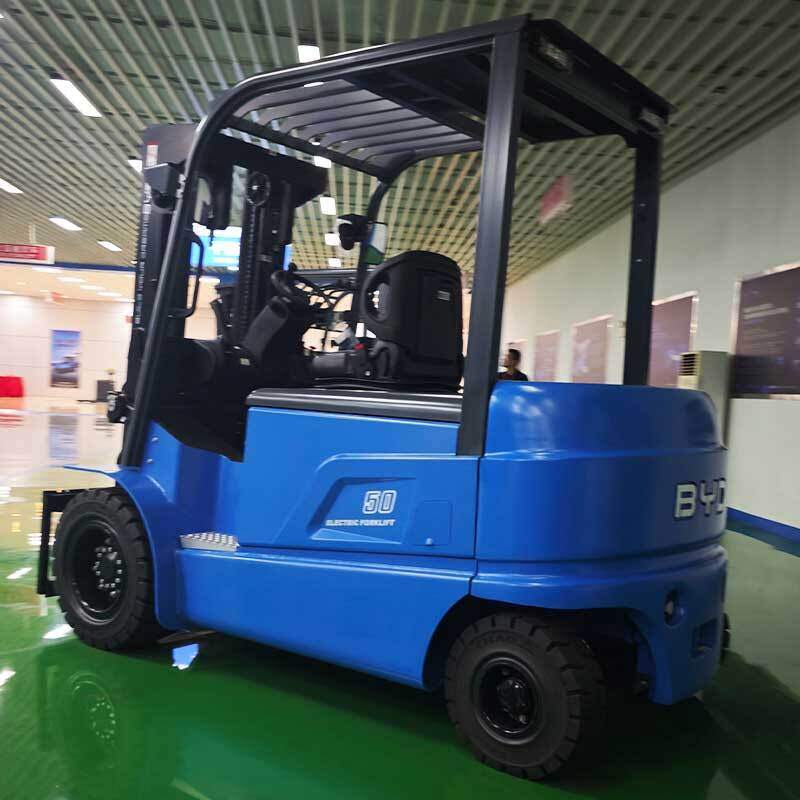
Electric forklifts have gradually become a core type of equipment for modern logistics and industrial material handling scenarios, thanks to their low noise, zero direct emission and relatively low operating cost features. Mastering correct use specifications and maintenance rules can help operators give full play to the performance of this type of equipment, reduce unnecessary wear and avoid potential safety risks in daily work.
Basic Pre-operation Inspection Rules
Before starting any operation of the electric forklift, operators need to complete a series of routine check steps to confirm the equipment is in normal state. The check scope covers the battery power level, the flexibility of the steering system, the sensitivity of the braking components, the integrity of the load forks and the normal operation status of the lighting and warning signal devices. Operators should also clear the operation path in advance, remove obstacles that may affect the moving route, and confirm the load weight does not exceed the rated load range of the equipment.
Standardized Operation Specifications in Work Scenarios
During the operation process, operators need to keep a stable driving speed, avoid sharp turns, sudden braking and frequent acceleration on non-special road sections. When carrying heavy loads, operators should keep the load forks at a low inclination angle to prevent the goods from slipping off in the moving process, and avoid lifting or lowering the forks when the equipment is moving. When the equipment is working in narrow warehouse aisles, operators should slow down properly, and send out prompt warning signals when meeting passing staff or other handling equipment.
Daily Maintenance and Storage Notes
After the daily operation is completed, operators should park the electric forklift in the specified flat area, lower the load forks to the ground, turn off the power supply in sequence, and complete the corresponding cleaning work of the equipment surface. For the battery part, operators should follow the official charging specifications to complete the charging operation, avoid over-discharging or over-charging the battery for a long time, and regularly check the connection status of the battery interface to keep it dry and clean. When the equipment is not used for a long time, staff should charge the battery on a regular basis to keep the battery activity, and place the whole equipment in a dry and ventilated environment to avoid long-term exposure to humid, high temperature or strong corrosive gas environment. Following these scientific operation and maintenance rules can effectively improve the operation efficiency of electric forklifts, reduce the probability of equipment failure, and create a safer and more stable material handling working environment for related industrial and logistics scenarios.


