
 English
 简体中文
 Русский
 Français
 Português
 Español


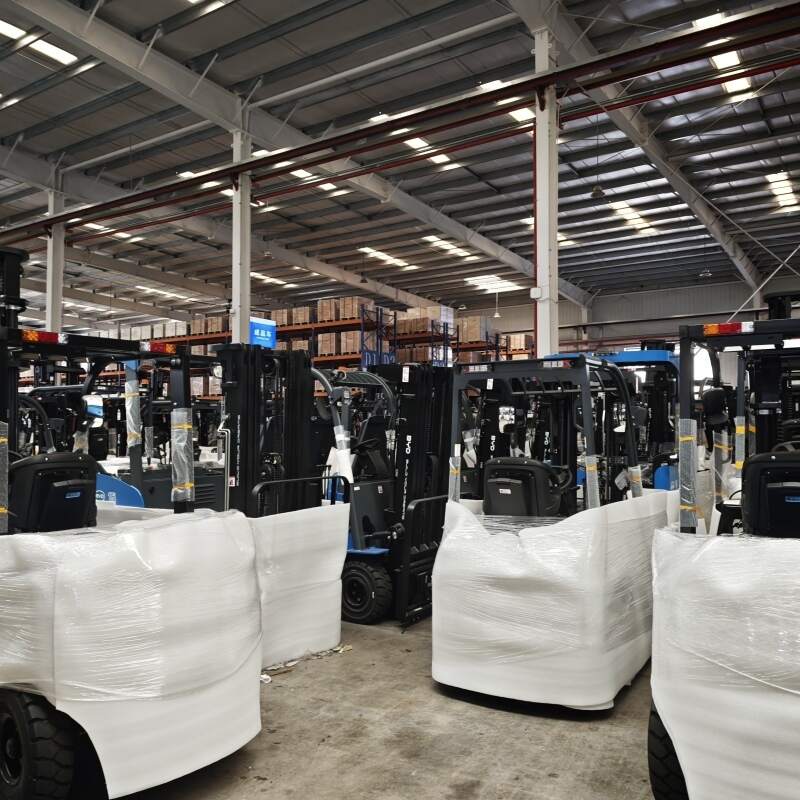
Against the background of continuous upgrading of logistics and warehousing industry, electric forklifts have become one of the most widely used material handling equipment in various industrial scenarios in recent years, with their low noise, zero local emission and flexible operation characteristics.
Core Applicable Scenarios of Electric Forklifts
Different from traditional internal combustion handling equipment, electric forklifts are more suitable for closed or semi-closed working spaces that have strict requirements for air quality and working noise, such as food processing workshops, pharmaceutical storage centers, cold chain warehouses and retail distribution centers. Most conventional models can adapt to normal flat road conditions in the warehouse, and customized models can also meet the operation requirements of narrow aisle, high shelf stacking and special heavy load handling under conventional operating parameters. The whole operation process will not produce tail gas pollution, and the low operation noise will not interfere with the normal communication of surrounding operators in the closed workspace.
Standard electric forklift Operation Specifications
Before daily operation, operators need to complete basic pre-inspection work, including checking the remaining battery power, the flexibility of brake and steering system, the wear degree of fork and the integrity of safety warning devices. During the operation process, operators need to avoid overloading beyond the rated load range, keep the goods at a reasonable backward tilt angle after lifting, reduce the speed when turning or passing the aisle with dense pedestrian flow, and avoid sudden steering on the sloped road section to prevent safety risks. Operators should also park the equipment in the designated area after work, pull down the hand brake and turn off the total power supply.
Routine Maintenance Suggestions for Electric Forklifts
Correct daily maintenance can effectively prolong the service life of equipment and reduce the probability of unexpected failure. For the power battery part, operators should avoid long-term overcharge and deep discharge, regularly check the liquid level state of the battery pack, and keep the surface of the battery clean and dry. For the moving parts such as drive motor, transmission assembly and walking wheels, operators should regularly remove the accumulated dust and debris on the surface, and add lubricating grease to the connecting parts on schedule to keep the equipment in good running state for a long time. The reasonable combination of standardized operation and scientific maintenance can bring stable and efficient performance for the long-term use of electric forklifts.


