
 English
 简体中文
 Русский
 Français
 Português
 Español


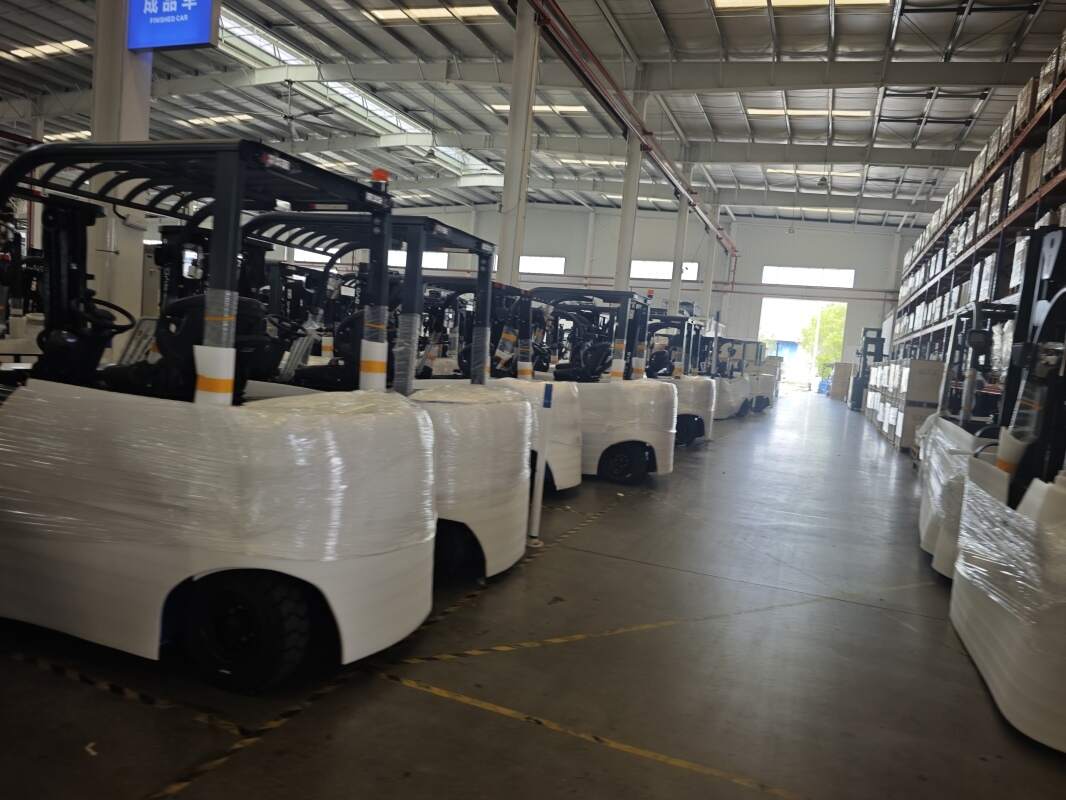
With the continuous promotion of low-carbon logistics concepts across the global supply chain, electric forklifts have become one of the most widely used material handling equipment in indoor warehouse scenarios, cold storage environments and light-duty distribution hubs. Unlike internal combustion forklifts, electric forklifts rely on battery power supply, which produces no exhaust emissions during operation and generates relatively low working noise. To maximize the performance of such equipment and maintain long-term stable operation, users need to master standardized operation logic and scientific daily management methods, so as to bring more value to daily logistics workflows.
Standard Daily Operation Norms for Electric Forklifts
Before starting the equipment every shift, operators need to conduct a basic visual inspection of the outer body, tire pressure, brake sensitivity and power display value, to rule out hidden troubles such as loose connectors and abnormal wear of load-bearing parts. During the driving process, operators should avoid sudden acceleration and frequent sharp steering, especially when carrying heavy loads, to prevent the goods from falling off due to unstable center of gravity, and keep a safe distance from surrounding shelves, personnel and passing logistics vehicles. It is not recommended to use electric forklifts to carry loads that exceed the rated load value marked on the equipment, otherwise the load-bearing structure and power system will bear extra pressure, which will increase the probability of abnormal failure.
Scientific Daily Maintenance Routines
The core power system of electric forklifts is the energy storage battery, so the charging and maintenance management of the battery needs to follow official operation specifications. Users should charge the battery in a dry, ventilated, constant temperature environment, avoid over-discharging the battery to a very low power state for a long time, and clean the dust and debris on the surface of the battery and the heat dissipation parts of the motor regularly every week. Other wearing parts such as forks, bearings and hydraulic lifting devices can be inspected and lubricated according to the weekly and monthly maintenance cycles formulated by the logistics team, to reduce the wear rate of parts in long-term operation.
Efficiency Improvement and Scenario Adaptation
Reasonable route planning before handling operations can effectively reduce the no-load driving time of electric forklifts, thereby saving power consumption and improving the turnover efficiency of warehouse goods. For different special scenarios such as narrow aisle warehouses, low-temperature cold storage and bulky cargo handling, users can adjust the configuration of corresponding attachments on the premise of ensuring that the parameters of the main equipment match, to adapt to the actual operation needs. Regular safety training for operators can also help the team form a good operation habit, reduce the occurrence of misoperation, and create a safer working environment for the entire logistics operation area.


