
 English
 简体中文
 Русский
 Français
 Português
 Español


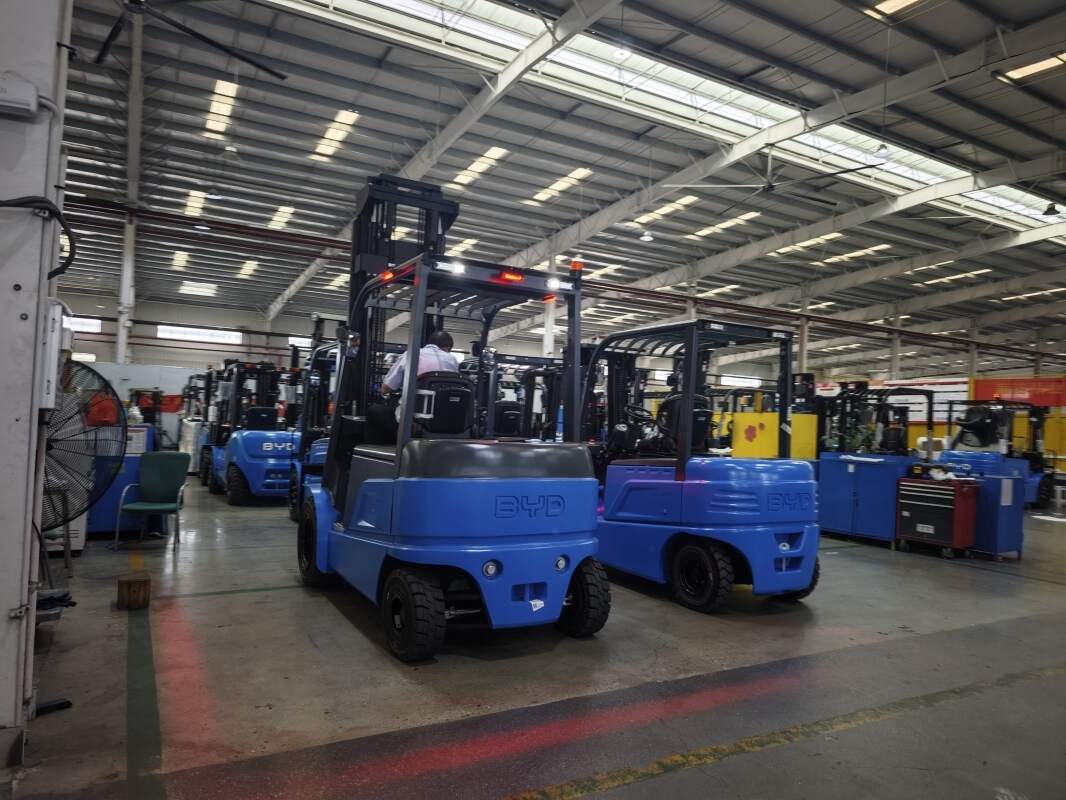
As the global logistics and warehousing sector continues to prioritize low-carbon and cost-effective material handling solutions, electric forklifts have become one of the most widely deployed equipment across indoor storage facilities, manufacturing workshops and distribution hubs. Long-term stable performance of these equipment relies on standardized operation habits and targeted management strategies, and this article sorts out practical, field-verified guidance for both new and experienced equipment operators and facility managers.
Core Safety Rules for Daily electric forklift Operation
All operators need to receive systematic pre-job training before using the equipment, and get familiar with the basic parameter limits including rated load capacity, maximum lifting height and allowed turning radius. Before each shift, a quick visual check on the tire condition, brake sensitivity, lifting chain tightness and warning light function should be completed, to rule out hidden risks caused by long-term wear or accidental collision. During operation, operators should avoid sudden acceleration or sharp steering, keep a safe distance from surrounding personnel, shelf structures and stacked goods, and never carry passengers on the vehicle body except the designated driving seat. When the vehicle stops for more than 3 minutes in working areas, the operating handle should be reset, the parking brake should be pulled up, and the lifting fork should be lowered to close to the ground level.
Routine Maintenance Practices to Extend Service Lifespan
Different from internal combustion forklifts, electric forklifts have core power components that have higher requirements for working environment and regular care. The battery pack, as the core power source, needs to be charged in a well-ventilated designated area according to the specified charging process, and excessive discharge or long-term overcharging should be avoided in daily management. Operators should wipe the surface of the equipment regularly after each shift, remove the accumulated dust, sundries and liquid stains that may affect the operation of electronic components, and check the cable connection points periodically to avoid loose contact. The wearing parts such as rollers, gears and brake pads should be inspected at regular intervals as per the manufacturer’s operation manual, and replaced in time when obvious wear marks are observed, which can effectively reduce unexpected downtime during peak operation periods.
Optimization Tips to Boost Material Handling Efficiency
For facility managers, reasonable route planning for electric forklift operation can effectively reduce unnecessary repeated travel paths, and arrange the loading and unloading sequence of goods according to the storage location of frequently accessed materials, so as to shorten the single handling cycle. Matching the load weight with the rated load capacity of the equipment reasonably can avoid excessive energy consumption caused by overloading, and maintain a stable driving speed on flat ground to get a better energy utilization effect. Regularly organize small-scale skill sharing sessions for operators, to spread practical operation experience accumulated in daily work, which can further improve the overall operational fluency of the whole material handling system.


