
 English
 简体中文
 Русский
 Français
 Português
 Español


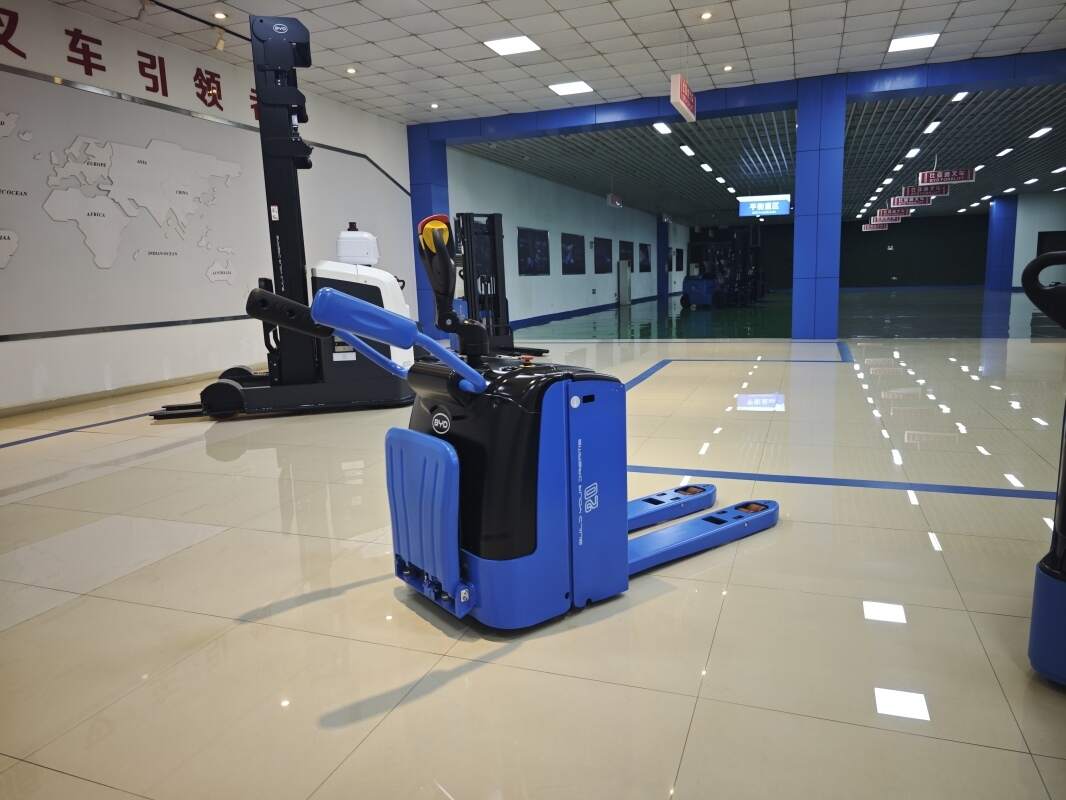
As a senior industry practitioner with years of experience in the electric forklift sector, this content provides practical, evidence-based insights for warehouse managers, equipment operators and logistics teams to get stable, long-lasting performance from their material handling fleets without excessive extra operational costs.
Core Functional Advantages of Modern Electric Forklifts for Industrial Scenarios
Compared with traditional internal combustion powered handling equipment, modern electric forklifts produce almost zero on-site exhaust emissions, which makes them fully suitable for enclosed indoor storage spaces with strict air quality requirements. Their lower running noise and smoother power output can effectively reduce the risk of accidental cargo collision during operation, and lower vibration levels can also ease long-term physical burden for operators who need to work for multiple consecutive shifts every day. Such equipment can adapt to most conventional indoor and outdoor warehouse handling scenarios under normal operating temperature ranges.
Routine Daily Maintenance Best Practices
The most regular basic check can be completed during each operator shift handover, including checking if the battery connection ports have loose signs, confirming the tire wear level is within the safe threshold range, and testing the response sensitivity of the entire brake system. Teams can arrange regular cleaning for the equipment’s heat dissipation grille to avoid accumulated dust blocking the ventilation path, and complete battery equalization maintenance according to the official guidance cycle, to prevent excessive deep discharge that may shorten the overall battery cycle life.
Standard Operation Rules to Reduce Unnecessary Equipment Wear
All operators should complete required professional training before independent work. During daily driving, avoid frequent sharp acceleration or sudden sharp braking, keep the center of gravity of loaded goods lower than the specified safe height, drive at a steady low speed when crossing ramps, and do not perform sharp steering when carrying near-maximum load goods. These simple operational details can effectively reduce equipment failure probability, and cut down unplanned downtime that may disrupt the normal logistics arrangement.
Energy Efficiency Optimization Tips for Long-Term Usage
Logistics teams can plan reasonable internal driving routes inside the warehouse in advance, to reduce unnecessary round-trip driving distance. Operators can select the matching power output mode according to different actual handling scenarios, and avoid keeping the device in high-power standby state during long pause periods. These small adjustments can effectively extend the single working duration of one full battery charge, and reduce the overall long-term operation cost of the whole fleet. Gradually accumulating these practical operation and maintenance experience will help teams build a more suitable electric forklift usage system that matches their own site conditions.


