
 English
 简体中文
 Русский
 Français
 Português
 Español


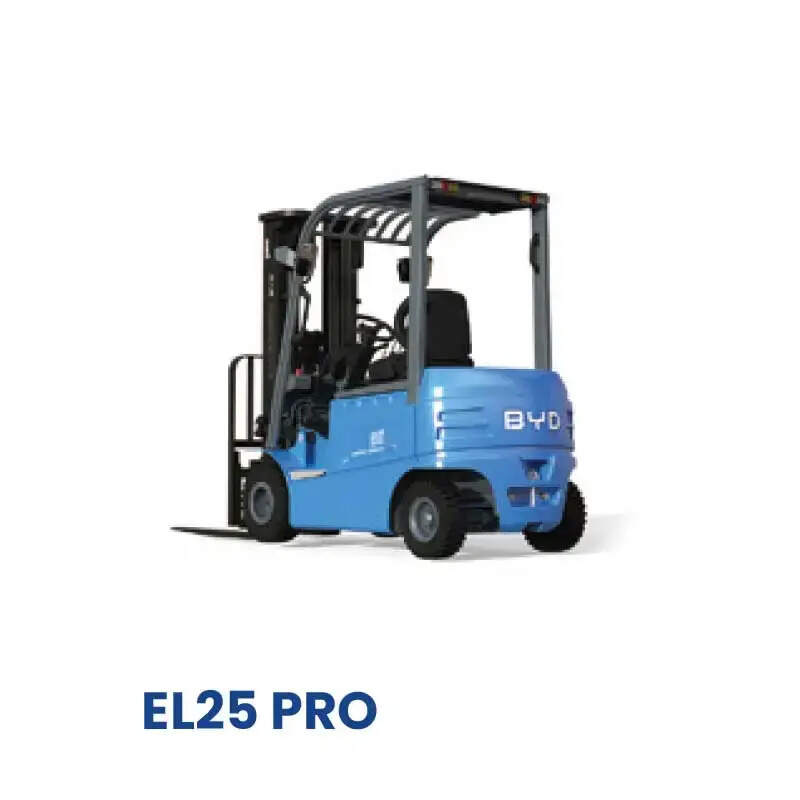
As the logistics and warehousing industry continues to pursue low-carbon operation and reasonable cost control, electric forklifts have gradually become one of the most widely used material handling equipment in different industrial scenarios. Mastering systematic application and operation knowledge can help relevant staff give full play to the equipment’s performance in daily work.
Core Performance Characteristics of Electric Forklifts
Different from traditional internal combustion handling equipment, modern electric forklifts are driven by on-board energy storage units, which produce almost no exhaust emissions during operation. The overall noise level during operation is also significantly lower, which can meet the environmental protection and health requirements of closed operation scenarios such as indoor warehouses, food processing workshops, and pharmaceutical storage areas. Most models are designed with simplified transmission structures, which can reduce the wear of mechanical parts during long-term use, and the overall operation sensitivity is relatively friendly for new operators after simple standardized training.
Standardized Daily Operation Specifications
Before each shift of operation, operators need to check the remaining power of the equipment, the flexibility of the braking system, the normal lifting state of the gantry and the integrity of the safety protection components first. During the operation process, it is necessary to avoid sudden acceleration and sharp steering as much as possible, keep the load within the rated load range marked on the equipment nameplate, and avoid long-time carrying of overweight goods which may cause damage to the load-bearing structure. When the equipment is not in use, the fork should be lowered to a safe height, the power supply should be cut off in time, and it should be parked in the designated non-obstructive area.
Routine Maintenance and Daily Care Tips
Regularly clean the dust and debris accumulated in the body gap and the surface of the energy storage unit, check the connector tightness of the circuit system, and avoid long-term full power or zero power storage state, which can effectively prolong the cycle service life of the power unit. Regularly check the wear degree of the tire and the lubrication state of the transmission rotating parts, arrange professional personnel to troubleshoot hidden dangers according to the specified cycle, which can reduce the unexpected failure rate of the equipment in peak operation periods. Following the above operation and maintenance rules can help enterprises give full play to the use value of electric forklifts, and create a safer and more efficient material handling working environment.


