
 English
 简体中文
简体中文 Русский
 Français
 Português
 Español

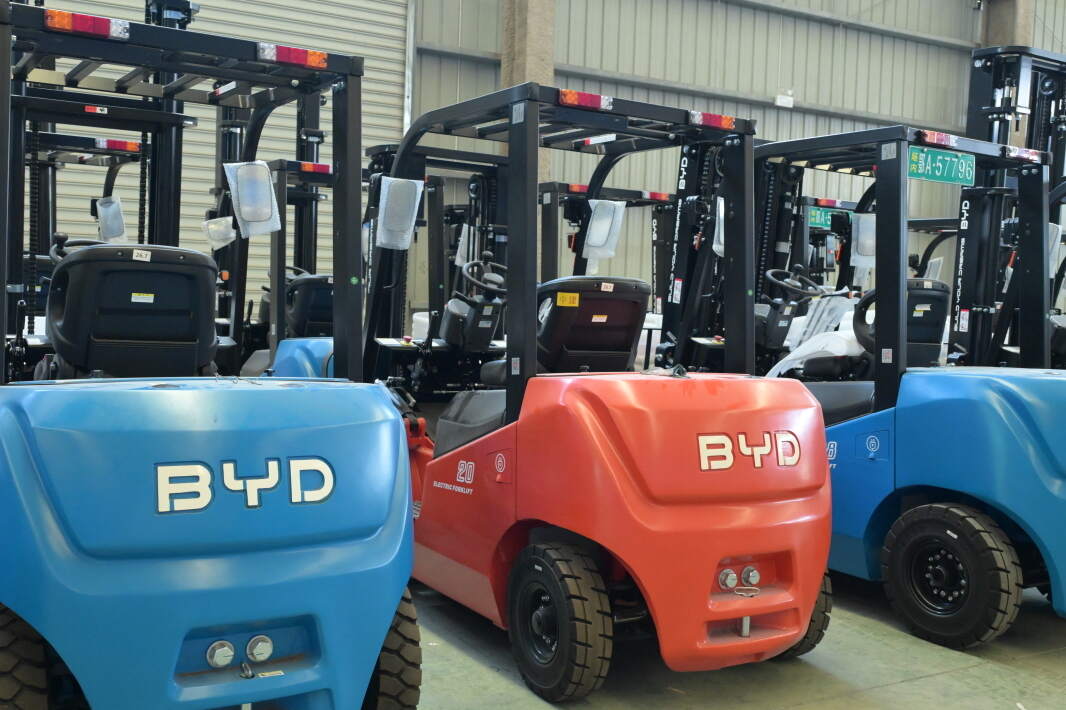
In recent years, with the rapid development of global logistics and warehousing industries, low-carbon, high-efficiency material handling equipment has become the preferred choice for most operation teams, and electric forklifts have occupied an increasingly large market share in the corresponding segment. For most frontline operators and warehouse managers, mastering systematic professional knowledge of electric forklifts can effectively reduce unnecessary operation risks and optimize overall workflow.
Core Functional Advantages of Electric Forklifts
Compared with traditional internal combustion powered handling equipment, electric forklifts produce no exhaust emissions during the whole operation process, which will not cause harmful gas accumulation in enclosed indoor warehouse space, and meet the environmental protection requirements of special scenarios such as cold chain storage, pharmaceutical warehousing and food processing workshops. The running noise of standard electric forklift is far lower than that of fuel powered equipment, which can reduce long-term noise interference to frontline staff working in the same area, and create a more comfortable working environment. The energy consumption cost per unit operation time of most electric forklift products is also relatively controllable, which will not produce additional fuel supply related expenses in daily use.
Key Points of Routine Electric Forklift Maintenance
In daily use, operators need to check the sealing status of the energy storage unit regularly, clean up the dust and sundries accumulated on the surface of the equipment in time, and follow the official operation specifications to complete the charging and discharging process, to avoid adverse conditions such as deep power loss or excessive long-time charging that may damage the service life of core components. It is also necessary to check the wear degree of driving wheels and load bearing wheels at fixed intervals, adjust the response sensitivity of the braking system, and record the basic working condition status during each shift handover, so as to effectively reduce the probability of unplanned shutdown and extend the overall service cycle of the equipment.
Scenario Matching Principles for Different Operation Needs
The parameter configuration of electric forklift products varies for different application scenarios. For high-level cargo access scenarios, users can select models that match the required maximum lifting height. For narrow aisle transportation scenarios, compact body size products are more suitable to ensure the passing safety in limited space. For high-frequency and long-time continuous operation scenarios, products with large capacity energy storage configuration can effectively reduce the interruption times caused by charging. Combining with core indicators such as average load weight, operation channel width and daily working hours to select equipment can give full play to the use value of electric forklifts. With the continuous upgrading of related technology in the industry, standardized operation and maintenance management will further help the warehousing team to improve the overall material handling efficiency, and build a more stable internal operation system.


