
 English
 简体中文
 Русский
 Français
 Português
 Español


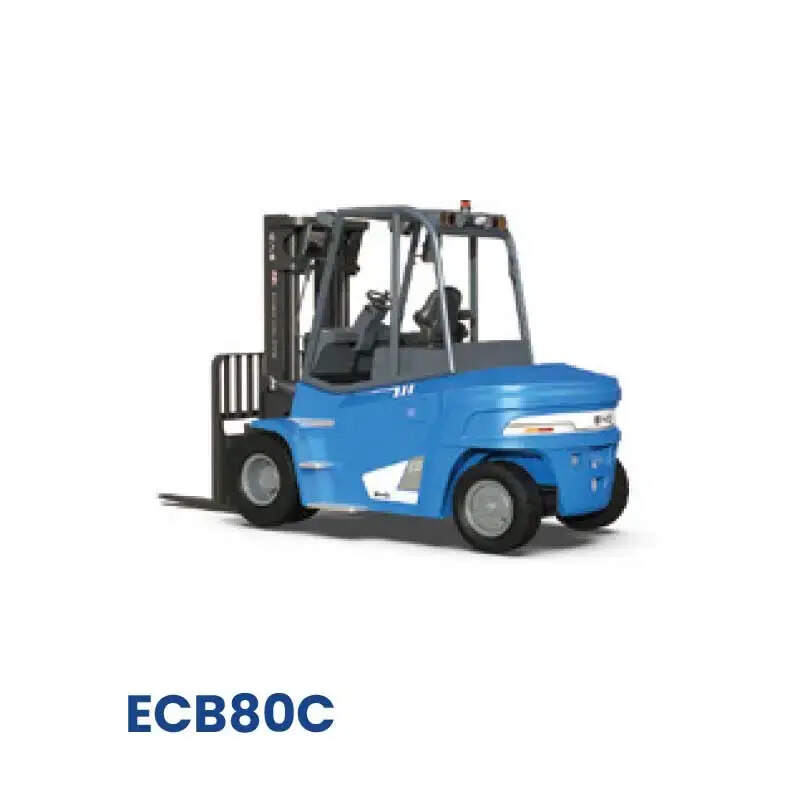
Against the background of widespread low-carbon transformation in the logistics sector, electric forklifts have become a common choice for indoor material handling scenarios for their low noise, zero local emission and relatively low long-term operating cost. For frontline operators and warehouse management personnel, mastering standardized usage and maintenance rules can help give full play to the equipment’s performance while reducing unnecessary operation risks.
Core Standard Operational Rules for Daily Use
Before each shift of operation, operators need to complete necessary pre-start checks, including verifying remaining battery level, testing the flexibility of braking and steering systems, checking the integrity of the load backrest and overhead guard, and confirming no sundries are stuck on the wheel structure. During the operation process, staff should strictly follow the rated load limit requirements, avoid overloading operation that may cause damage to the lifting hydraulic structure, keep a safe distance from surrounding pedestrians and shelf structures, and slow down when passing through narrow aisles or turn corners. It is also not recommended to carry out sharp acceleration or sudden braking on non-special road surfaces, to avoid slipping or cargo falling off the forks.
Routine Maintenance Protocols to Prolong Equipment Service Life
For the core power system of electric forklifts, operators should arrange charging procedures according to the manufacturer’s specifications, avoid long-term overcharging or complete deep discharge of the power battery, and regularly wipe the electrode connection position of the battery pack to prevent dust or corrosive materials from affecting the connection stability. Operation and maintenance personnel should also check the sealing performance of the hydraulic lifting system at fixed intervals, confirm no oil leakage at the pipeline connection points, and replace the wearing tires in time when the tread wear exceeds the specified threshold. If the equipment needs to be idle for more than two weeks, it is recommended to park it in a dry and ventilated environment, keep the battery power at a medium level, and start the equipment for 5 to 10 minutes of no-load operation every week to maintain the activity of electrical components.
Scenario-Adapted Usage Optimization Suggestions
For special usage scenarios, targeted adjustment of operation strategies can further improve the matching degree between equipment performance and actual demand. For example, in low-temperature cold storage working scenarios, staff can appropriately extend the preheating time of the power system before formal operation to reduce the load of the battery pack. For high-frequency heavy load operation scenarios, management personnel can arrange reasonable shift rotation plans, avoid long-term continuous high-load operation of a single forklift, and reserve sufficient rest and heat dissipation time for the equipment. Proper arrangement of use and maintenance procedures can effectively reduce the average failure rate of electric forklifts, support the stable operation of daily warehousing material handling work.


