
 English
 简体中文
 Русский
 Français
 Português
 Español


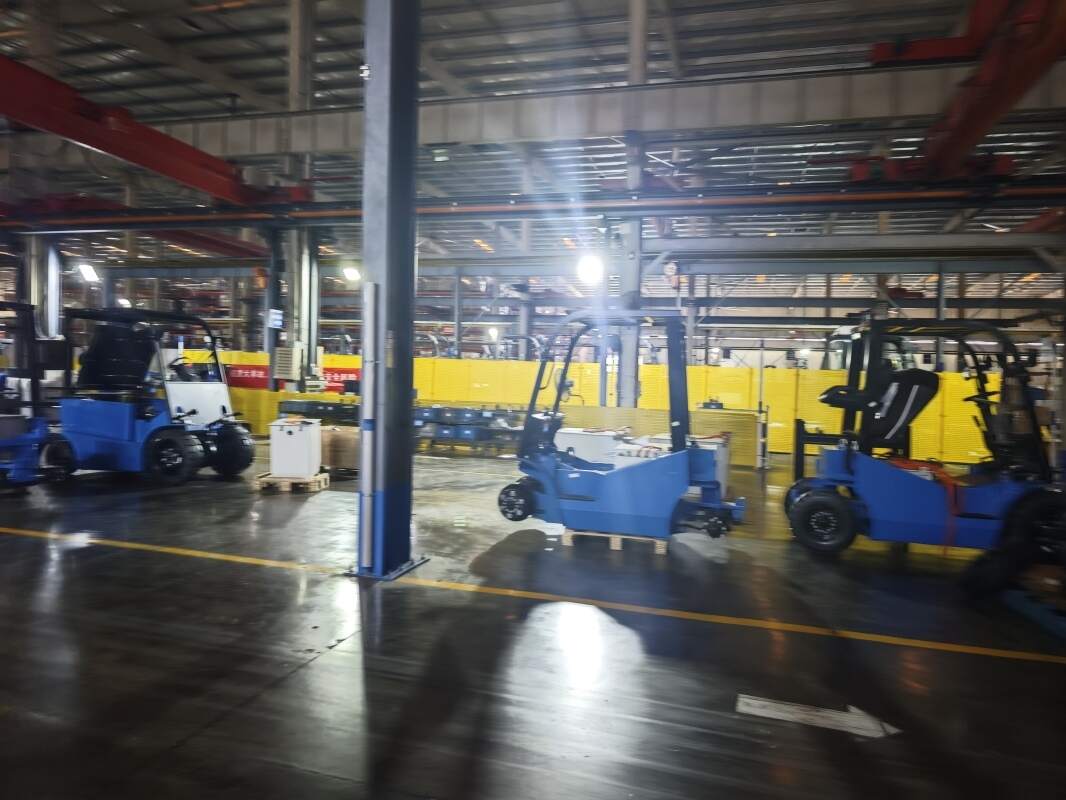
With the continuous growth of low-carbon logistics demand across different industrial scenarios, electric forklifts have become one of the most widely applied material handling equipment in warehouse, manufacturing and distribution sectors in recent years. Different from traditional internal combustion counterparts, electric forklift units run on stored electric energy, featuring lower noise emission, no tail gas output and more flexible operation in closed indoor spaces, which fits the environmental protection requirements of most enclosed working areas.
Core Operational Specifications for Daily Electric Forklift Usage
When operators start using an electric forklift, pre-operation check on key components including tire condition, brake sensitivity, power remaining status and lifting mechanism should be completed before formal handling tasks. Operators need to receive standardized training on basic operation rules, avoid overloading beyond the rated load capacity, and keep stable running speed when turning or passing narrow warehouse aisles to reduce collision risk with stored goods or surrounding facilities. Operators are also suggested to park the unit in designated areas and cut off the power supply completely after finishing daily tasks.
Key Points of Routine Electric Forklift Maintenance
Regular maintenance work can effectively extend the whole service cycle of electric forklift units, and reduce unexpected shutdown risk during peak operation periods. For the power storage module, operators should avoid full discharge for a long time, and complete regular charging according to official recommended parameters to keep the overall health status of the power system. For moving parts such as transmission components and lifting chains, regular cleaning and proper lubrication can reduce wear loss caused by long-time continuous operation. Operators can also record daily operation and maintenance logs to track the status of each unit conveniently.
Methods to Optimize Electric Forklift Operation Efficiency
Enterprises can adjust the allocation of electric forklift units according to their actual warehouse layout and peak operation schedule, to avoid idle waste of equipment resources. Operators can also plan material handling routes in advance before each shift, to reduce unnecessary repeated running and cut down extra power consumption during daily work. Proper matching of forklift parameters with actual working scenarios can also give full play to the performance advantage of electric units, further improving the overall operation efficiency of the whole logistics link.


