
 English
 简体中文
简体中文 Русский
 Français
 Português
 Español

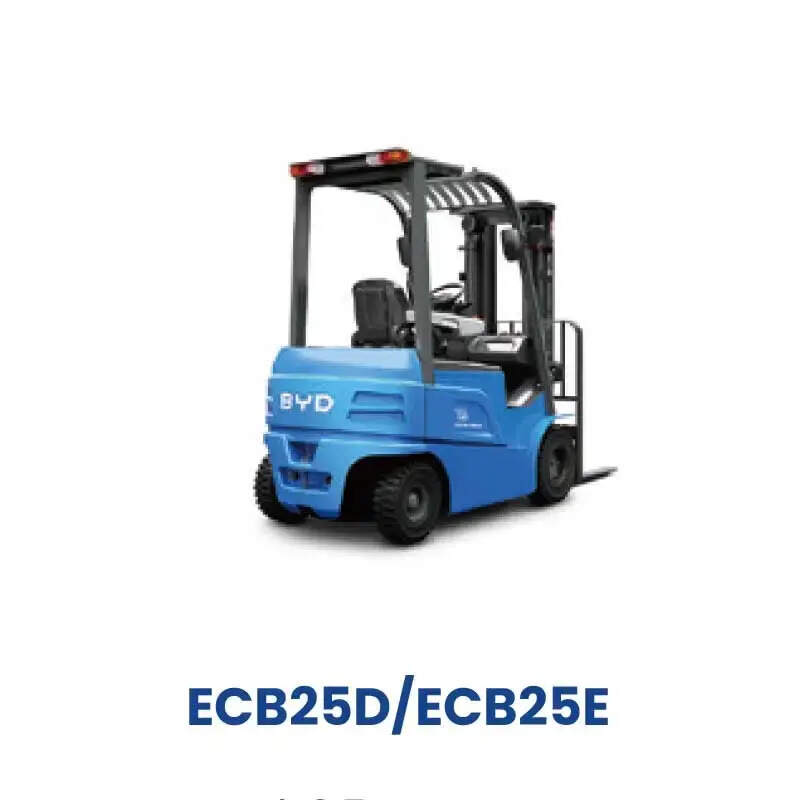
As the logistics industry continues to pursue low-carbon operation and high working efficiency, electric forklifts have become one of the most widely used handling equipment in indoor storage scenarios in recent years. Mastering the correct application rules and maintenance methods of such equipment can bring multiple benefits to daily material arrangement work.
Core Functional Advantages of Electric Forklifts
Different from traditional internal combustion handling equipment, electric forklifts produce no local exhaust emission during operation, which can meet the high sanitary requirements of scenarios such as food storage, pharmaceutical warehouses and enclosed shopping mall logistics areas. The noise level during operation is much lower than that of fuel-powered equipment, which can reduce noise interference to surrounding staff in the relatively narrow warehouse space. The power output of electric forklifts is smoother, which can avoid sudden jitter of goods during the handling process, and reduce the risk of damage to fragile goods to a certain extent.
Standardized Daily Operation Specifications
Before starting the equipment every day, operators need to check the remaining power level, braking system sensitivity, lifting frame flexibility and tire condition first, and do not start operation when hidden dangers are found. During the driving process, operators should control the driving speed according to the on-site environment, avoid overloading the goods beyond the rated load range, and keep a safe distance from surrounding shelves and passing pedestrians. When the equipment is idling for a long time, the fork should be lowered to a safe position, and no part of the operator’s body should extend into the moving lifting frame area to avoid unnecessary safety risks.
Routine Maintenance Suggestions
For the daily maintenance of electric forklifts, the staff should regularly check the battery performance, avoid long-term overcharging or deep discharging, and keep the surface of the battery pack clean and dry. The heat dissipation components of the motor and electrical control system should be cleaned regularly to avoid the accumulation of dust affecting the normal heat dissipation effect. The rotating connection parts of the equipment should be lubricated on schedule to reduce the wear of mechanical parts during long-term operation. Timely troubleshooting of small abnormal conditions can effectively extend the overall service life of the equipment. Reasonable application and regular maintenance of electric forklifts can help the logistics system achieve stable and efficient material handling, and support the low-carbon transformation of the whole industrial operation process.


