
 English
 简体中文
 Русский
 Français
 Português
 Español


Fork lifting is one of the most frequent and core operation scenarios in modern warehousing, manufacturing and logistics distribution links, which directly affects the operation efficiency and site safety of the whole material handling system. Mastering systematic fork lifting knowledge can help operators avoid unnecessary operation risks, reduce equipment wear and prolong the service life of electric forklifts.
Before starting any fork lifting operation, operators need to clarify the basic definition of rated load and load center distance first. The rated load of the equipment refers to the maximum allowable lifting weight under the specified standard load center distance. If the center of gravity of the carried goods exceeds the marked load center distance, the actual allowable lifting weight of the equipment will decrease accordingly, so operators should never overload the equipment blindly to avoid tipping risk. It is also necessary to check the surrounding operation site before starting work, confirm that there is no obstacle on the driving route, no personnel staying in the operation blind area, and check the braking performance, remaining battery power, wear degree of fork teeth and flexibility of the hydraulic lifting system to make sure the equipment is in normal working state.
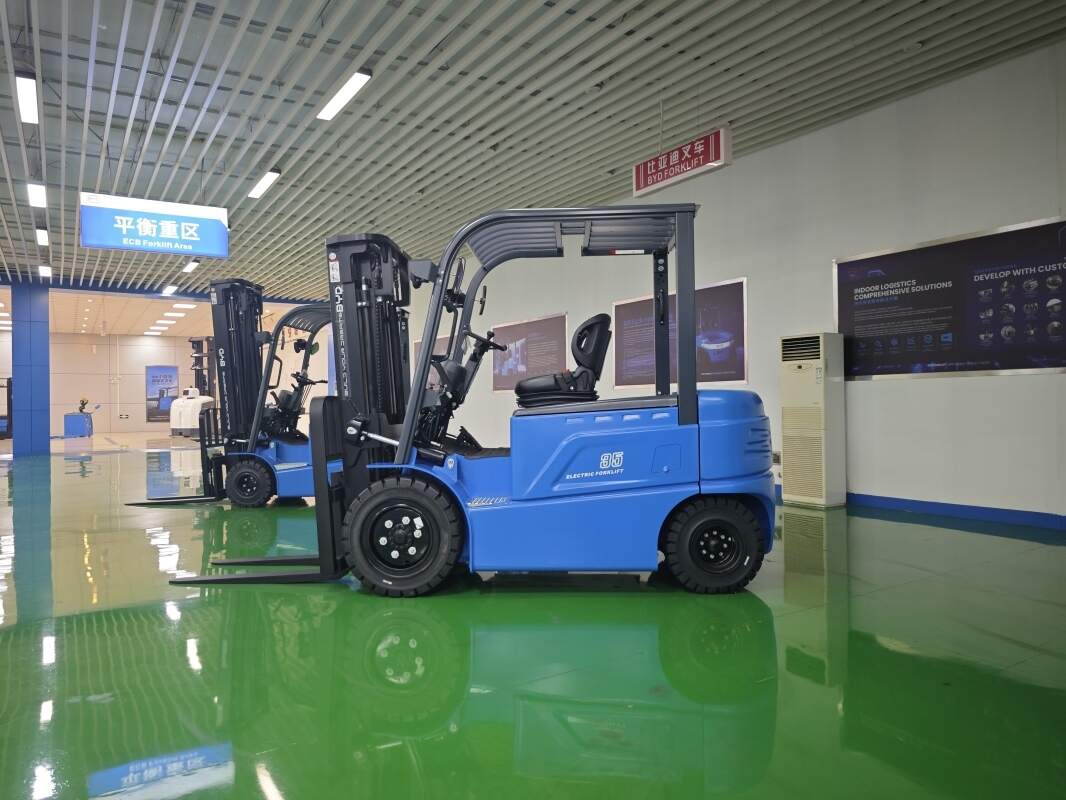
In the actual fork lifting process, operators need to follow standardized operation procedures all the time. When picking up goods, the fork teeth should be fully inserted under the pallet to keep the stress uniform, avoid single fork bearing heavy load, and tilt the gantry back properly after the goods are lifted to a proper height to ensure the stability of the goods. During the driving process, the distance between the bottom of the fork teeth and the ground should be kept at 10 to 20 cm, the gantry should be kept at a proper backward tilt angle, and sharp turning, sudden acceleration and sudden braking should be avoided as far as possible, especially when carrying heavy loads. Operators are not allowed to carry other irrelevant personnel on the equipment, and it is forbidden to lift personnel with the fork teeth to carry out high-altitude operation without special safety protection measures.
For long-term stable use of the equipment, daily maintenance after operation is also a key part of fork lifting related management. After the daily work is finished, the operator should lower the fork teeth to the ground, park the equipment in the specified designated area, turn off the power supply in time, and do a good job of daily cleaning of the body. For the power battery system of new energy electric forklift, operators should follow the official guidance for charging and maintenance, avoid over discharge and long-term overcharge, to maintain the good performance of the battery pack.
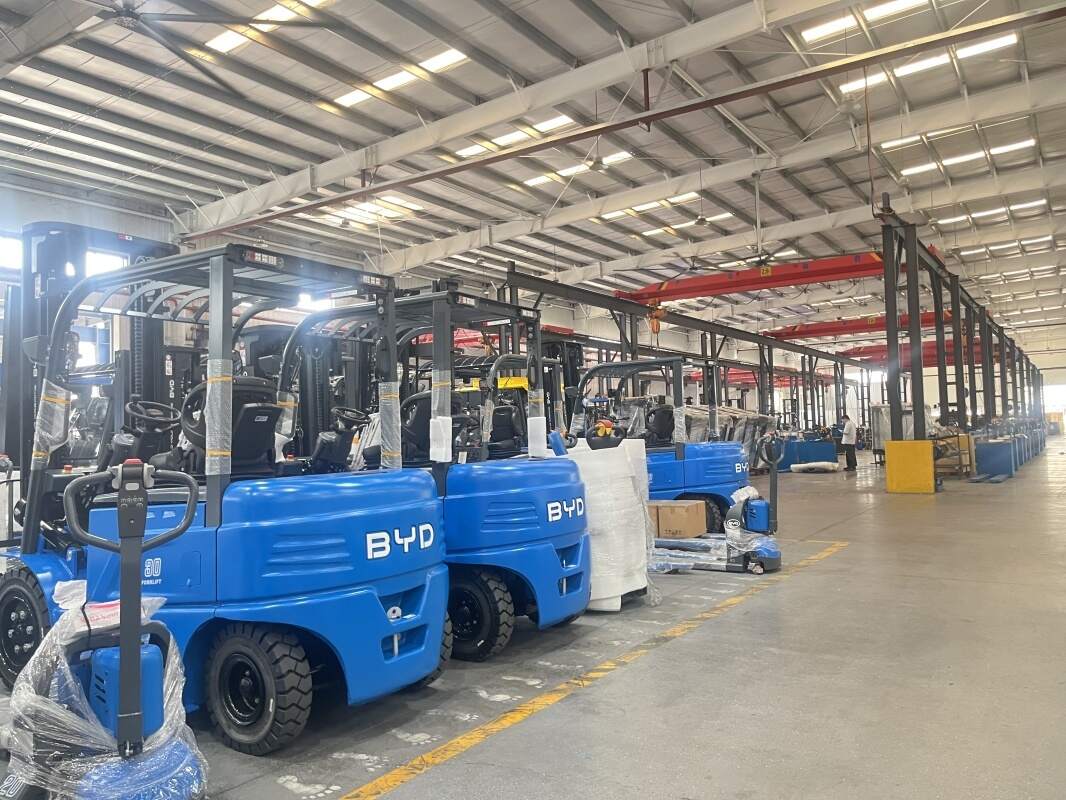
As a professional supplier focused on electric forklift solutions, we are Jianshu New Energy, dedicated to BYD electric forklift related services and providing high quality products and full-cycle supporting services. If you have any demand for equipment consultation, operation training or after-sales support, you can send an email to [email protected] for professional response and service.


