
 English
 简体中文
简体中文 Русский
 Français
 Português
 Español

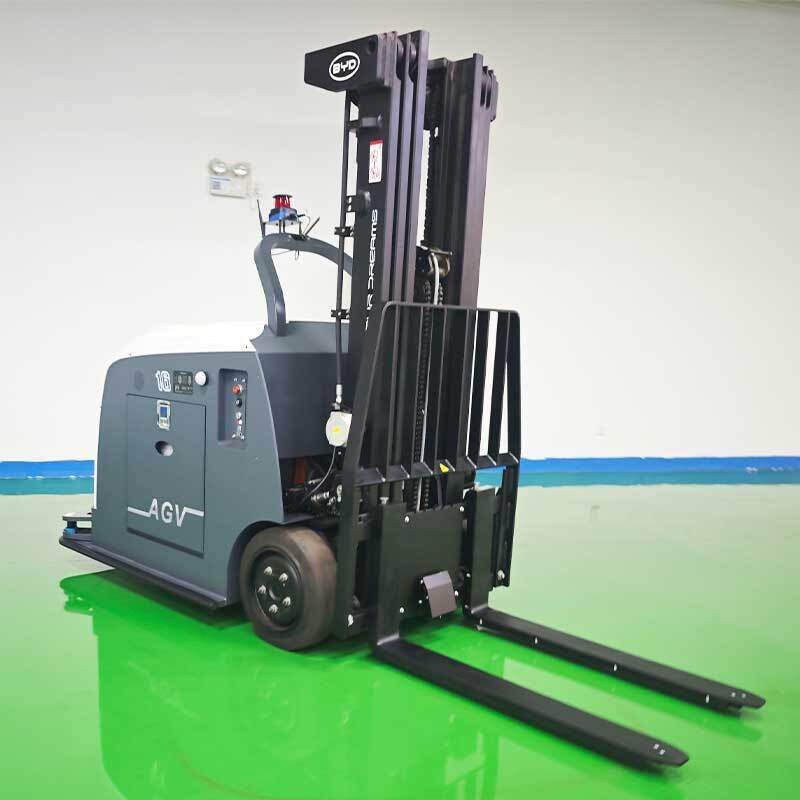
Tip-over incidents are one of the top common safety hazards in daily electric pallet truck operation scenarios, which may lead to unexpected equipment damage, cargo loss, and even minor personal injury for on-site staff. According to common operation safety statistics, over 80% of such tip-over accidents are triggered by non-standard load handling behaviors, and all these risks can be effectively avoided if full-process standardized load control rules are strictly implemented.
First of all, complete pre-operation load specification check before each dispatch. Operators should confirm the rated load capacity marked on the equipment nameplate in advance, never overload the pallet truck even for a short-distance transportation task. It is also necessary to check the load gravity distribution status before picking up goods: the whole stack of cargo should be placed evenly on the standard pallet, no partial stacking, no overhang beyond the edge of the pallet, to ensure the overall gravity center of the load stays stably within the support range of the two forks. If the cargo is irregular in shape or uneven in weight, operators need to re-stack it to adjust the gravity position before starting the handling work.
Secondly, implement strict in-transit load placement management during the whole moving process. After picking up the cargo, push the load completely close to the back baffle of the forks, do not leave large vacant space between the cargo and the baffle, avoid placing most of the heavy load on the front end of the forks. When driving, keep the load at the lowest possible lifting height that can clear the ground obstacles, do not raise the forks to a high position for long-distance transportation, which will raise the overall gravity center greatly and increase the tip-over risk. When passing uneven road surfaces, slopes or narrow turning areas, decelerate in advance, avoid sharp steering or emergency brake, and stop the vehicle immediately to adjust if you notice the load slides or shifts during moving.
Last, carry out post-operation load safety protection and regular training management. After finishing each handling task, lower the forks completely to the lowest position, and clear all residual scattered goods on the forks to avoid unbalanced load left on the equipment. The operation team should organize regular load control training for all operators every month, share typical tip-over accident cases caused by non-standard load handling, and correct bad operation habits such as overloading and partial load carrying in daily work. The regular equipment inspection work should also cover the load bearing components of the pallet truck, arrange maintenance in time if there is abnormal wear or deformation, to ensure the load bearing performance of the equipment meets the safety requirements at any time.
Scientific and comprehensive load control measures can effectively reduce the occurrence probability of electric pallet truck tip-over incidents, and build a more stable and safe working environment for all warehouse material handling staff.


