
 English
 简体中文
简体中文 Русский
 Français
 Português
 Español

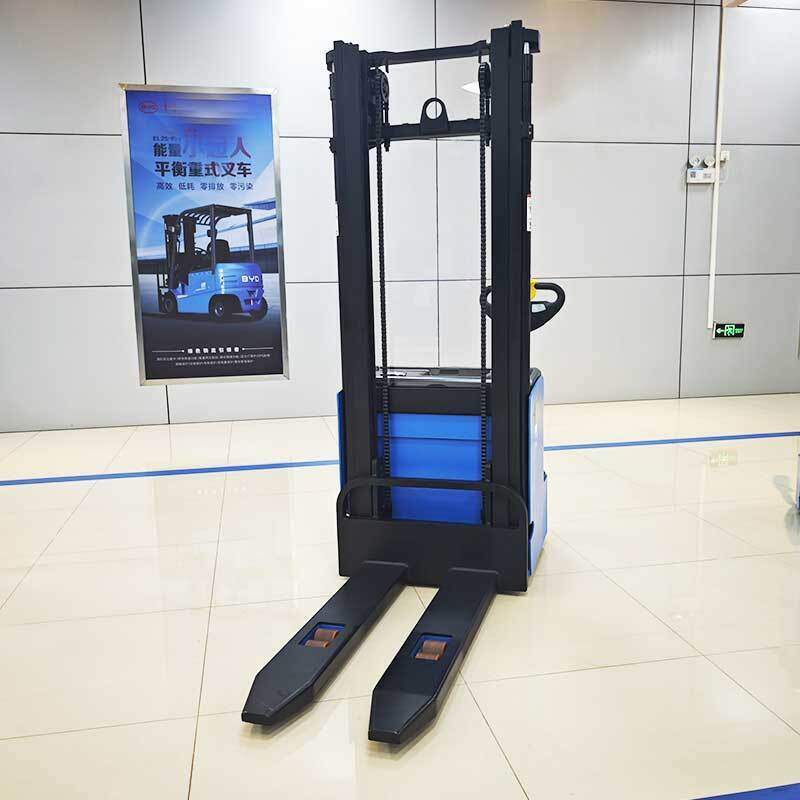
Against the backdrop of global material handling electrification trend, more and more operation teams are phasing out lead-acid or internal combustion forklifts to adopt lithium power solutions for better energy efficiency, lower emission and longer runtime. Two mainstream solutions are widely chosen by operators currently: factory integrated lithium forklift design, and retrofitted lithium conversion kits applied on existing old forklift units.
The core difference of the two solutions lies in their initial design logic. For integrated lithium forklift products, the full vehicle R&D process starts with the matching of lithium battery characteristics. Engineers will calculate the proper battery weight, layout, voltage output curve and heat dissipation space at the very beginning, to make sure the whole vehicle’s counterweight, hydraulic system, travel motor and lifting motor can be fully adapted to lithium power features. No extra reserved space or modified lines will be left on the finished vehicle, and all component layouts are optimized under standard production procedures, which reduces unexpected abrasion caused by improper aftermarket refitting.
In terms of safety performance, integrated lithium forklifts come with a battery management system that is fully linked to the whole vehicle’s electronic control unit. When abnormal status including overcharging, over-discharging or overheating appears, the system can trigger coordinated protection measures such as limiting travel speed and reducing maximum lifting height automatically, to lower operation risks. For retrofitted lithium conversion kits, most products only replace the original power battery pack without making adaptive adjustment to the original vehicle’s electronic control system, the battery management system’s alarm data can hardly be synchronized with the full vehicle system. Most refitting work is completed off the standard production line, and the newly added wiring may face loose risk after long-term high vibration working conditions.
When calculating the full life cycle cost, integrated lithium forklifts usually enjoy unified after-sales warranty that covers all vehicle parts, operators only need to connect one single service team for all maintenance demands, which cuts the extra communication cost during daily operation. Retrofitted lithium conversion kits are usually more affordable in one-time input, and are more suitable for teams that have old forklift units with good remaining working condition and only plan to use the units for 2 to 3 more years. Operators can choose the most proper solution according to their specific working intensity, operation budget and expected service life of the fleets, no universal choice fits all scenarios.


