
 English
 简体中文
简体中文 Русский
 Français
 Português
 Español

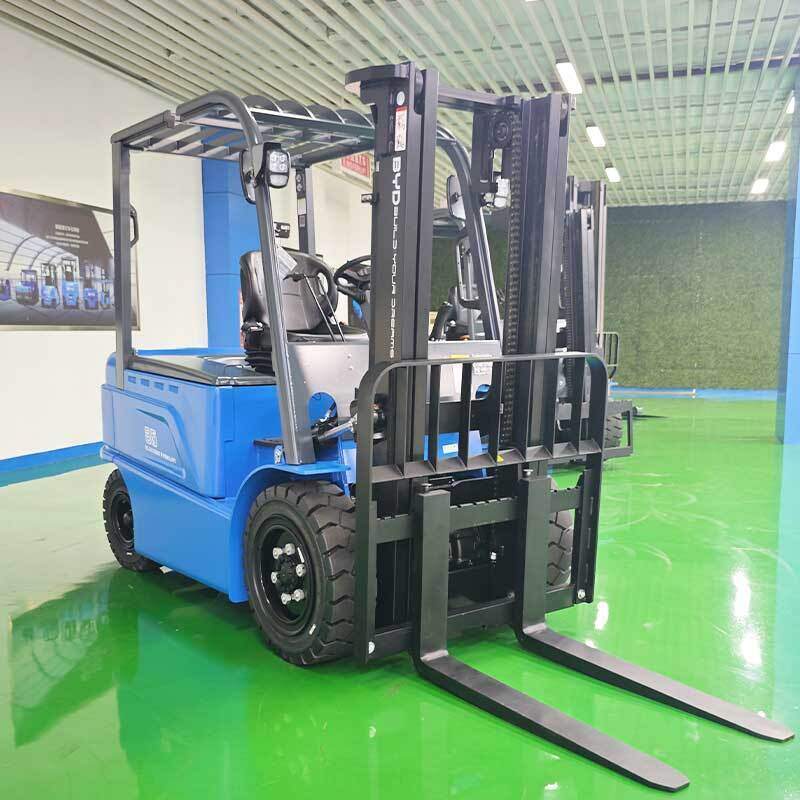
As the core equipment of modern warehouse material handling, electric forklifts are widely applied in scenarios that require low noise and zero local emission, with stable performance and low operation cost recognized by most frontline operation teams. Mastering standardized use and management methods can help teams give full play to the value of such equipment in daily work, and reduce the hidden problems caused by non-standard operation habits.
Core Pre-Operation Inspection Protocols
Before starting each shift, operators need to complete a series of basic inspection work around the whole equipment frame. First, check the residual power level of the power supply system, confirm no abnormal damage to the connecting wire harness, and ensure the brake system responds sensitively under no-load state. Next, check the wear condition of walking wheels and load-bearing forks, clear the sundries stuck in the gap of mechanical structure, and test the normal lifting and tilting function of the gantry at low height. Operators also need to confirm the normal work of all warning light and acousto-optic alarm devices, to avoid hidden risks caused by neglected minor problems in subsequent high-intensity operation.
Routine Maintenance Practices to Extend Equipment Service Life
Different from internal combustion forklifts, electric forklifts focus more on the maintenance of power system and electrical components in daily management. After each use, operators should park the equipment in the designated ventilated and dry area, wipe off the dust and accumulated oil stains on the surface of electrical interface, and avoid long-term exposure of the equipment in high humidity or corrosive gas environment. In the daily charging process, follow the standard recommended charging process, do not interrupt the charging cycle frequently when the power is lower than 20%, and arrange regular professional inspection for the power supply and motor system according to the actual operation intensity. Such low-cost daily maintenance can effectively reduce the probability of unexpected equipment failure in peak operation period.
Efficient Operation Habits for Better Using Effect
In the actual handling process, operators should plan the travel route in advance according to the site environment, avoid frequent sudden acceleration and sudden braking on uneven road surface, and reduce unnecessary loss of walking structure. When operating the loading and unloading function, do not lift the goods beyond the specified load center distance, keep the goods at a low position as much as possible during the driving process, and avoid sharp turn when the gantry is lifted to a high position. Standardized operation habits can not only improve the average handling efficiency per unit time, but also reduce the additional wear of key components caused by irregular operation, bringing more stable operation performance for long-term use.


