
 English
 简体中文
简体中文 Русский
 Français
 Português
 Español

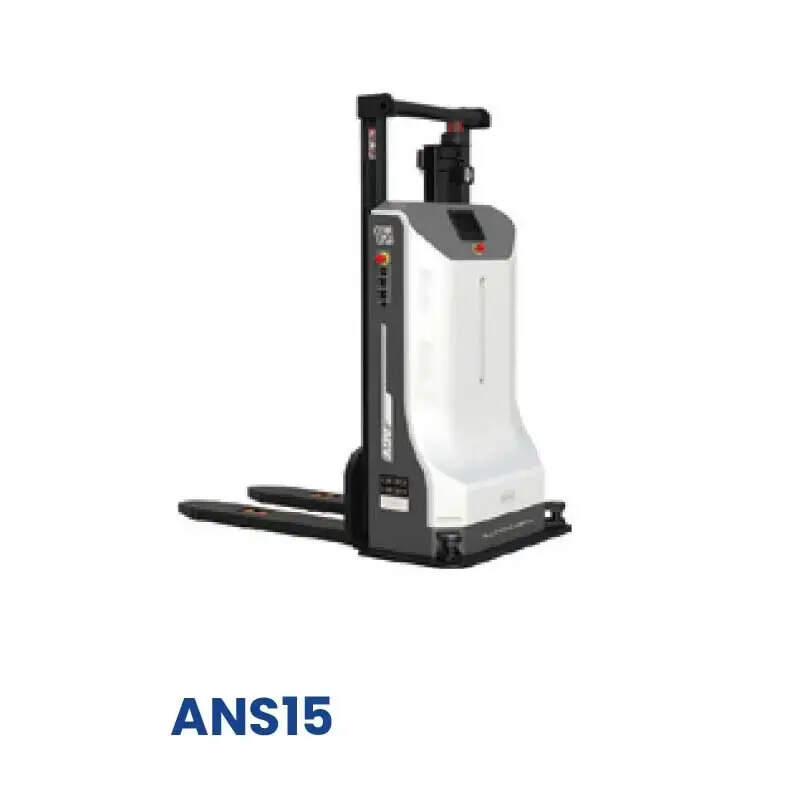
First of all, conduct full-scene survey and tiered speed value formulation before launching the regulation. You need to walk through every functional area of the warehouse, including main operation aisles, high-density manual picking zones, loading and unloading docks, narrow storage aisles and personnel gathering areas, to record details such as pedestrian flow peak, sight distance, goods stacking position and aisle width. Avoid setting a uniform speed limit for the whole warehouse, which may either bring hidden safety risks or reduce operation efficiency unreasonably. Confirm differentiated speed limits for different zones based on actual operation conditions, and deliver full training to all electric forklift operators, making sure every member on the fleet clearly understands the speed requirements of each zone.
Secondly, arrange supporting visual warning facilities to strengthen rule awareness. Post clear and recognizable speed limit signs at the entrances and boundaries of different functional zones, paste prompt marks on the corresponding positions of forklift operation consoles, and lay deceleration reminder lines on the ground at key turning points and zone intersections. The visual system can not only remind forklift operators of speed control at any time, but also inform all walking staff in the warehouse of the expected moving speed of nearby forklifts, forming a mutual reminder effect for all personnel on site.
Thirdly, adopt multi-dimensional management measures to implement the rules steadily. You can set the maximum speed locking function on the electric forklift body according to the pre-formulated zone standards to avoid misoperation caused by habit or negligence. In the daily fleet inspection work, record the non-compliant speed behavior, focus on analyzing the inducement of each violation, rather than taking mandatory punishment as the only solution. For operators who violate the speed rule for the first time, carry out targeted re-training to correct bad operation habits, and check whether the task arrangement of the operation peak is too tight to cause the staff to speed up passively, so as to adjust the work arrangement reasonably.
Finally, establish a regular optimization mechanism to make the speed limit system fit the actual operation demand dynamically. Organize a quarterly review meeting to collect feedback from forklift operators, warehouse management staff and front-line picking personnel, sort out potential safety hazards and unreasonable points in the current speed limit rules, adjust the speed value of corresponding zones appropriately to balance safety guarantee and operation efficiency. With continuous iteration, you can form a set of sustainable warehouse speed limit system for electric forklift fleets, which can effectively reduce collision and scraping risks, support the long-term stable operation of on-site logistics.


