
 English
 简体中文
简体中文 Русский
 Français
 Português
 Español

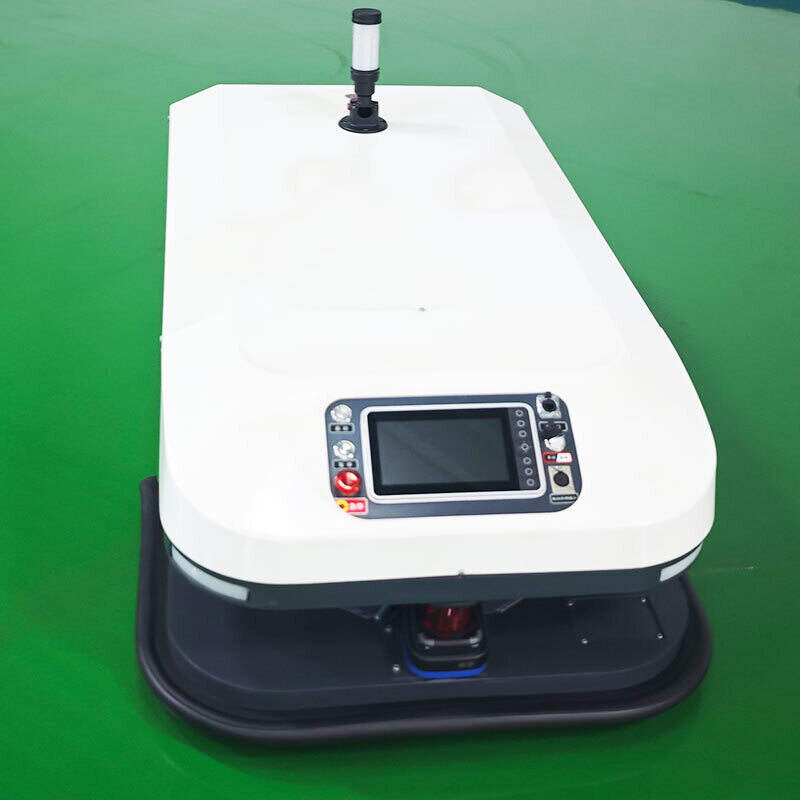
Regular functional testing of warning-light and horn systems is a core part of electric forklift safety management, as these two components are key active safety reminders to alert surrounding pedestrians and other operation staff, effectively reducing collision risks in busy warehouse and material handling scenarios. The whole testing procedure can be completed in 20 minutes with no complex professional tools, and it is suitable for both daily pre-shift inspection and quarterly full safety verification.
Pre-test Preparation
Before starting any test operations, park the electric forklift on a flat, open area with no sundries stacked around, pull up the parking brake firmly, and disconnect the external charging power supply to avoid unexpected power fluctuation during the test. Remove all irrelevant personnel within 3 meters around the test area, prepare a standard portable decibel meter and visual light brightness test card as auxiliary testing tools, and make sure the ambient light condition is the same as normal daily warehouse operation lighting, avoid carrying out tests under extreme strong light or full dark environment to prevent misjudgment of the test result.
Warning-light System Testing Steps
Switch on the low-voltage electrical loop of the forklift without starting the driving motor, then test the warning light functions one by one in order. First turn on the steady-on outline warning lights, check all lamp beads work stably with no stroboscopic or extinguished situation, confirm the light coverage angle meets the requirement of normal operation scenarios. Then activate the strobe warning light, verify the strobe frequency stays in the standard compliant range and no missed flash occurs. Next test the steering prompt warning lights, toggle the left and right steering switches separately, confirm the corresponding side warning light flashes synchronously, and stop working immediately after the switch returns to neutral position. Finally simulate common abnormal scenarios such as low battery and unreleased parking brake, check the corresponding fault warning indicator can light up normally to send clear prompt. After all functional tests, use the brightness test card to verify the light intensity meets relevant industrial safety standards.
Horn System Testing Steps
Keep the forklift in static power-on state, press all horn trigger buttons at different positions including the side of steering wheel and the side of operation handle separately, confirm every trigger point can activate the horn successfully with no stuck or no-sound problem. Then place the decibel meter 1 meter right in front of the forklift horn, test the sound decibel value and make sure it stays in the compliant range, which is loud enough to cover normal warehouse operation noise and not too loud to cause unnecessary noise pollution. Press the horn continuously for more than 10 times to verify the sound output stays stable, no sudden volume drop or sound break occurs during the whole process.
Post-test Follow-up
After all testing items are finished, cut off the forklift power supply, reset all function switches to their original positions, record all test results in the equipment daily operation and maintenance ledger truthfully. If any abnormal condition or component fault is found during the test, suspend the use of the corresponding forklift immediately, arrange professional maintenance staff to repair or replace the faulty parts, and do not put the equipment back into operation until the retest passes.


