
 English
 简体中文
 Русский
 Français
 Português
 Español


In daily warehouse and industrial material handling processes, forklift blind spots are common objective hidden safety risks that cannot be completely eliminated by simple vehicle structure adjustment. Typical blind spot scenarios include the area blocked by lifted goods and forks on the front of the vehicle, the edge areas on both sides of the carriage close to the shelf, the rear area blocked by the counterweight, and the visual dead angle formed when the vehicle is close to high stacked goods.
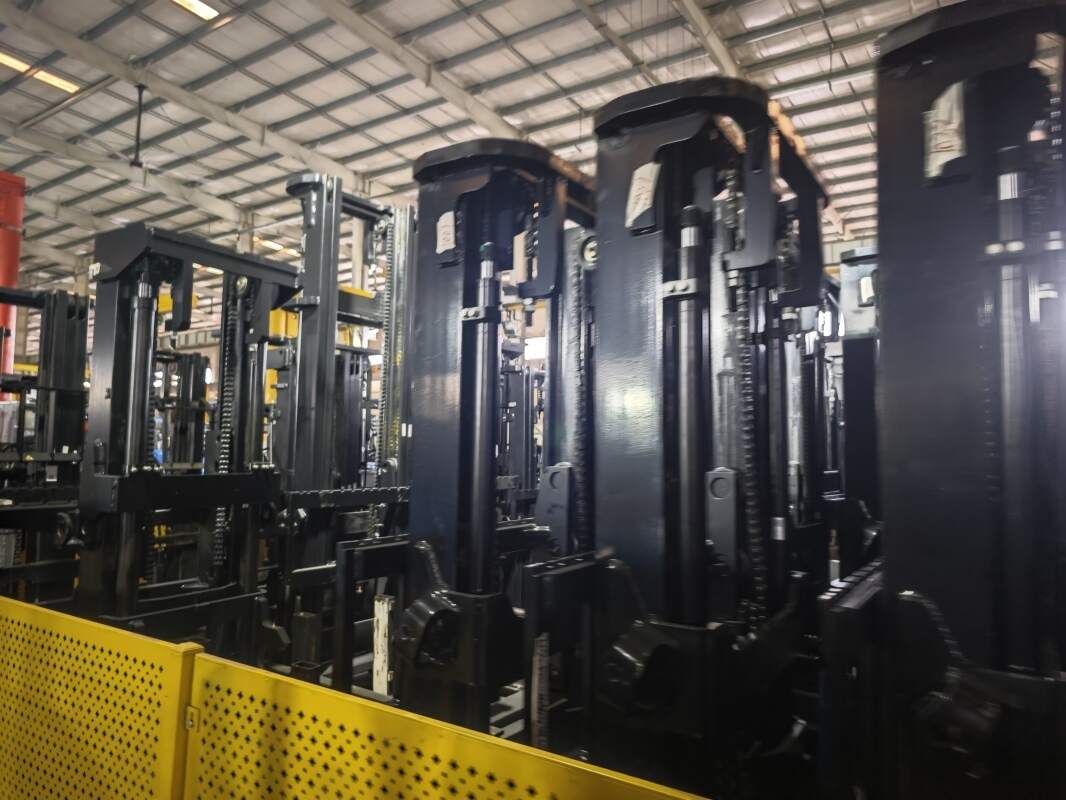
For blind spot forklift operation in practice, the first core step is pre-operation inspection. Operators need to walk around the whole vehicle before starting work, carefully check whether there are passing personnel, scattered goods or obstacles in all common blind spot ranges, adjust the seat position and the angle of the rearview and side mirrors to maximize the coverage of visible areas, and confirm that all auxiliary warning devices work normally before starting the vehicle. It is not allowed to start the vehicle directly without checking the blind spot status by experience.
During the actual operation process, when the forklift is about to drive into high-frequency blind spot areas such as shelf corners, unloading platform edges and sorting areas with frequent pedestrian flow, the operator should honk in advance and reduce the driving speed to below 3km per hour. The operator can make a small body tilt to observe the originally blocked area, and avoid sudden acceleration or sudden steering. When the forks are lifted to more than 3 meters for high stacking operation, the front line of sight is completely blocked by the goods, and the operator can choose to drive backwards at low speed, or arrange a special on-site commander outside the blind spot area to assist the operation.
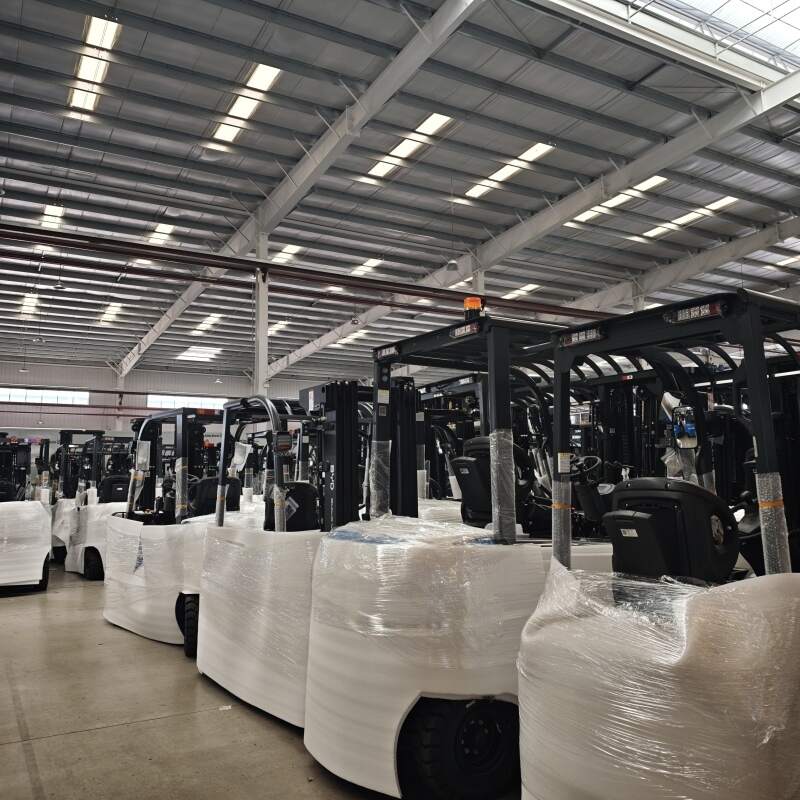
It is also necessary to complete the normalized management optimization for blind spot operation scenarios. Enterprises can arrange special training for forklift operators regularly, post eye-catching safety warning signs at all fixed blind spots on the operation site, and set up clear forklift driving lanes and pedestrian passages to reduce the dynamic line cross between vehicles and people. It is worth noting that electric forklifts have low operating noise, and surrounding pedestrians are not easy to perceive the approaching vehicle, so operators need to take the initiative to send warning signals before entering blind spots to avoid accidental collision risks.
We are Jianshu New Energy, focusing on BYD electric forklift. If you need more targeted electric forklift safety operation solutions, please send email to [email protected] for consultation.


